



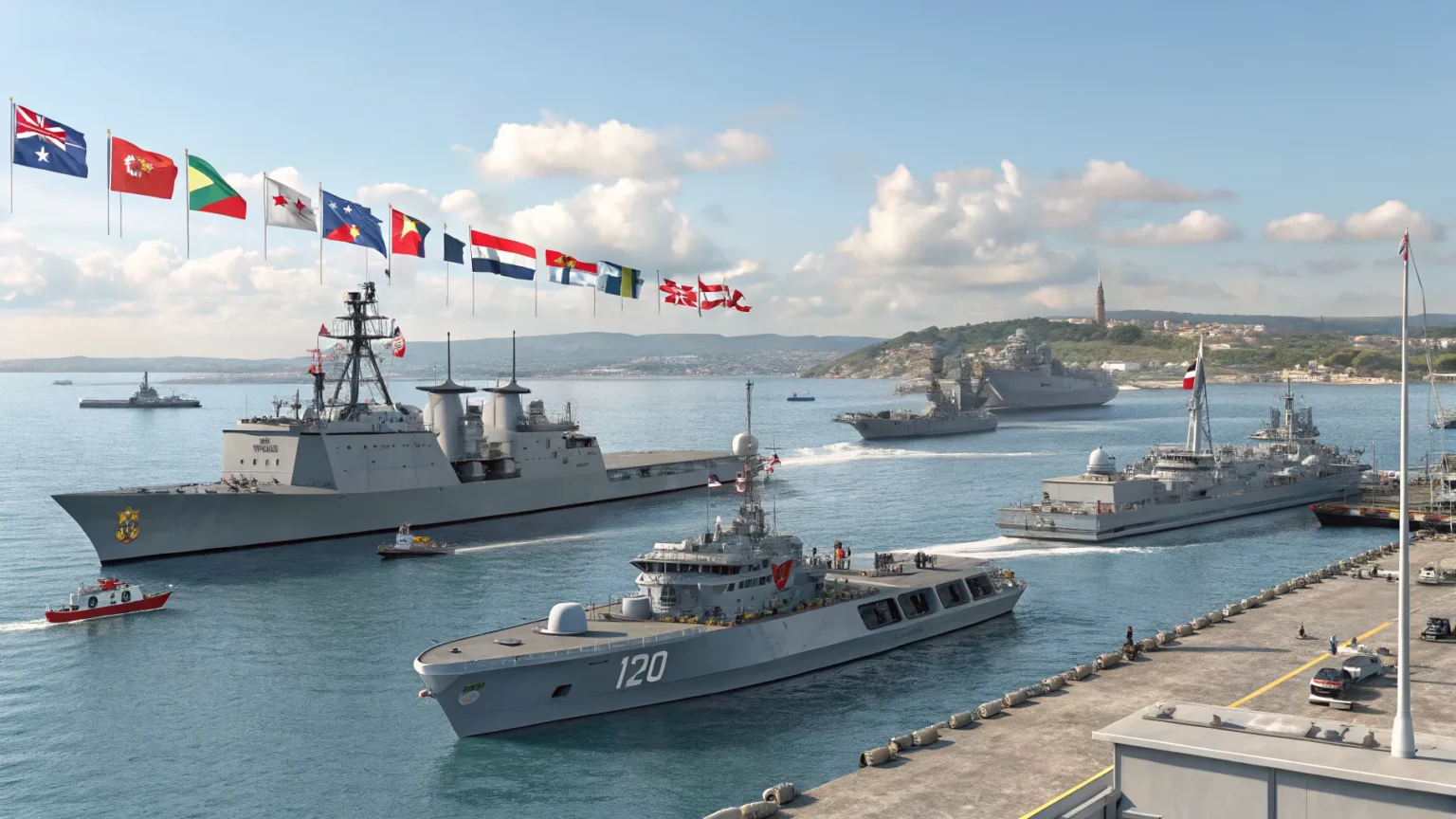
More than 40 countries are preparing to meet Monday to map out a European-led naval effort to guard commercial ships through the Strait of Hormuz once a stable ceasefire takes hold. The gathering aims to assign ships, aircraft, and support roles to keep a vital shipping lane open and reduce insurance costs and disruptions. The talks signal rising concern over maritime security and the need for a coordinated plan that can move quickly when fighting stops.
Why the Strait Matters
The Strait of Hormuz links the Persian Gulf to global markets. It is one of the world’s most important chokepoints for energy and goods. Analysts estimate that about one-fifth of the daily oil trade passes through the narrow waterway. Any disruption affects freight rates, fuel prices, and supply chains across Asia, Europe, and the United States.
Over the past decade, incidents near the strait have included tanker seizures, limpet mine attacks, and drone and missile threats. In 2019, the United States formed a maritime security initiative to deter threats. European states later ran their own coordinated patrols and surveillance. Insurance premiums rose during each flare-up, and shipowners changed routes or added guards on board.
The Plan on the Table
Officials say participation will range from warships and patrol aircraft to logistics, intelligence sharing, and training. Some states may not send vessels but can support communications, legal coordination, or maritime domain awareness.
“More than 40 nations will meet Monday to outline their military contributions to a European-led mission to escort ships through the Strait of Hormuz once there’s a stable ceasefire.”
Planning centers on escort corridors, deconfliction procedures, and common rules for radio contact. Command arrangements will likely mirror past missions with a lead headquarters, rotating task group commands, and liaison cells for industry. Organizers are expected to stress that the mission’s scope is narrow: keep sea lanes open and avoid escalation.
- Surface escorts for tankers and container ships
- Airborne surveillance to spot threats early
- Mine countermeasures in key approaches
- Shared intelligence and legal support
- Medical, repair, and refueling hubs
Stakeholders Weigh Costs and Risks
European defense officials argue that a broad coalition spreads risk and cost. A single country cannot patrol the strait and adjacent routes alone for long. Shipping groups welcome a clear plan, saying predictable escorts can lower insurance costs and allow normal schedules. Port operators in the Gulf and Indian Ocean regions also want steady traffic and fewer ad hoc diversions.
Regional governments have mixed views. Gulf states support safe passage but watch foreign military deployments closely. They seek firm guardrails to avoid misunderstandings in crowded waters. Any coalition will need clear communication channels with coastal authorities and naval forces already in the area.
Humanitarian groups warn that more warships in tight sea lanes can raise the risk of mishaps. They call for strict rules to protect crews and avoid accidents with fishing boats and small craft. Legal experts note that escorts must respect international law and freedom of navigation while steering clear of internal disputes.



What Success Would Look Like
Security experts say early wins would include steady transit times, fewer harassment reports, and lower war-risk premiums. Past case studies suggest that consistent patrol patterns and visible, professional radio conduct reduce tensions. Regular briefings to shipowners and insurers can build trust and prevent rumors from sparking rush decisions.
Technology will help. Maritime patrol aircraft, drones, and satellites can spot small boats or mines faster than surface ships alone. Shared alert systems can cue escorts to threats before a convoy enters danger zones. But officials caution that technology cannot replace clear rules and disciplined seamanship.
What to Watch Next
Key questions remain. Which country will take the lead command? How many escorts can deploy on short notice? Will participants set a fixed duration or tie the mission to security benchmarks? The answers will shape costs and the willingness of shipowners to plan regular routes through the strait.
The Monday meeting is a test of coordination among allies and partners. If states lock in roles now, they can move fast when a ceasefire holds. If they delay, uncertainty could prolong higher costs and keep ships on longer, riskier paths.
The path forward depends on a workable ceasefire and a clear mandate. For now, planners are pushing for a plan that is practical, limited in scope, and ready to launch. Stable sea lanes through the Strait of Hormuz would ease pressure on fuel prices and restore confidence across global trade. The coming days will show whether political will matches the urgency at sea.