



Electric vehicle (EV) owners are increasingly vocal about their desire for better amenities and services while waiting for their cars to charge. As charging times can range from 20 minutes to several hours depending on the vehicle and charger type, the quality of the waiting experience has become a significant factor in EV adoption and satisfaction.
Current charging stations often lack basic comforts and conveniences that drivers expect, especially when compared to traditional gas stations that have evolved to include convenience stores, restaurants, and other services. This gap in experience quality is emerging as an important consideration for both EV manufacturers and charging infrastructure developers.
The Current State of Charging Infrastructure
Most public charging stations today offer minimal amenities. Many are located in parking lots or near shopping centers, but dedicated facilities with services specifically for charging customers remain limited. Drivers report spending time in their vehicles, walking to nearby businesses, or simply waiting without access to restrooms, food, or comfortable seating.
According to EV owners, the most common complaints include:
- Lack of weather protection (shade, rain cover)
- Limited or no access to restrooms
- Few food and beverage options
- Insufficient seating or waiting areas
- Poor lighting and security concerns, especially at night
What Drivers Want
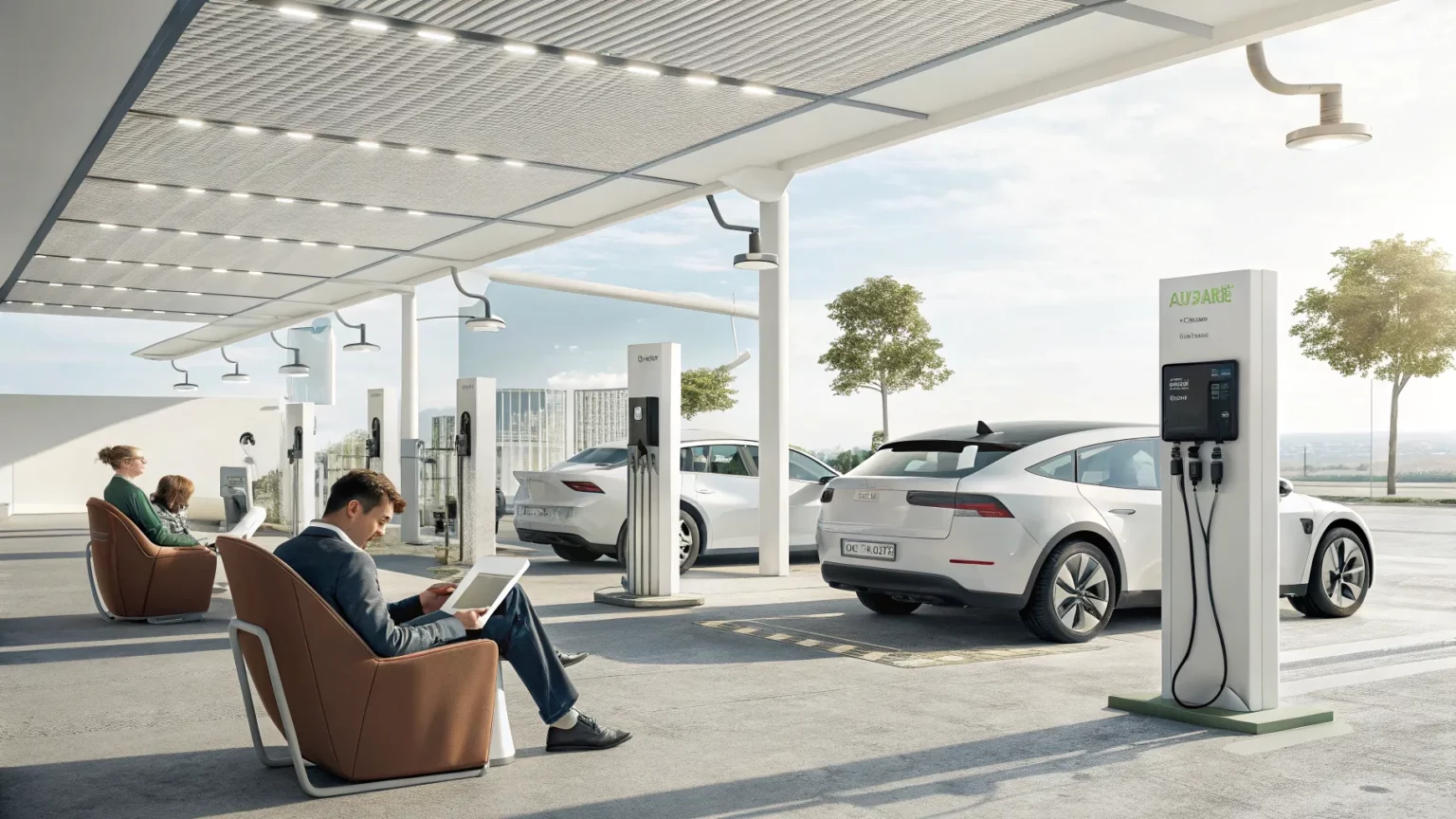
EV owners have expressed interest in charging locations that offer more than just power for their vehicles. They envision stations that function as rest stops or destinations in themselves, making the charging time productive or enjoyable rather than merely a necessary delay.
“I’d like to see charging stations with comfortable lounges, good Wi-Fi, and maybe even workspaces,” said one EV driver. “If I’m going to spend 30-45 minutes charging, I want to use that time effectively.”
Other requested features include cafes, convenience stores, clean restrooms, and entertainment options such as screens showing news or sports. Some drivers have suggested exercise facilities or walking paths to make use of the waiting time.
Industry Response
Some companies are beginning to address these concerns. Tesla’s Supercharger stations in certain locations now feature lounges with coffee, food, and Wi-Fi. Electrify America has partnered with retailers to place chargers near shopping and dining options.



Several traditional gas station chains are also exploring enhanced EV charging experiences. Companies like Shell and BP are testing concepts that combine charging with their existing convenience store offerings, while adding dedicated seating areas and expanded food options.
Startup companies focused exclusively on the EV charging experience have also emerged. These businesses are designing charging stations from the ground up with customer comfort as a priority, rather than treating it as an afterthought.
Economic Considerations
The business model for improved charging experiences presents challenges. Unlike gas stations that can rely on high customer turnover, charging stations must accommodate customers for longer periods. This requires different revenue streams to support the additional amenities.
Potential models include premium charging fees that include amenities, partnerships with retailers or food service providers, or subscription services that offer enhanced experiences at participating locations.
Research indicates that EV drivers are willing to pay more for charging if it comes with improved waiting conditions, suggesting there is a market for premium charging experiences.
As electric vehicle adoption continues to grow, the quality of the charging experience will likely become an increasingly important factor in consumer satisfaction and brand loyalty. Companies that address these needs early may gain advantages in the expanding EV market.