




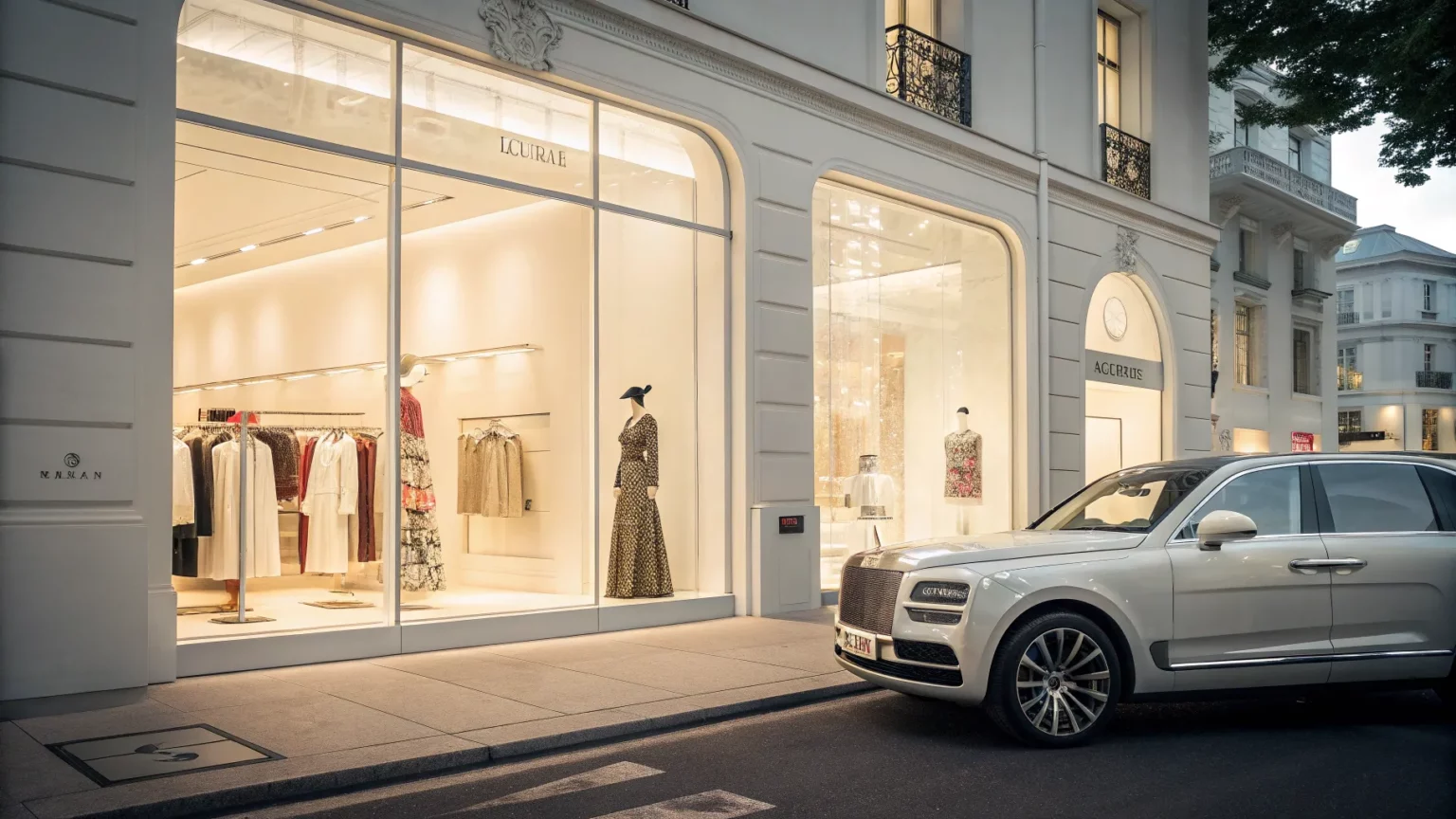
The Trump administration has moved to further restrict Iranian diplomats in New York, barring them from shopping at wholesale clubs and from buying luxury goods without prior approval. The change applies to diplomats posted to the United Nations and those visiting the city for official business, tightening an already strict set of rules.
Officials signaled the policy as part of a wider effort to control spending and movement by Iranian representatives on U.S. soil. The shift comes as Washington continues pressure on Tehran following the U.S. exit from the 2015 nuclear deal and years of sanctions. The State Department, which oversees foreign missions, framed the measure as another compliance step tied to U.S. law and sanctions policy.
What the Ban Covers
The Trump administration has formally barred Iranian diplomats based in or visiting New York from shopping at wholesale club stores like Costco and purchasing luxury goods in the United States without specific permission from the State Department.
The directive targets access to bulk retailers and high-end items that can be resold or seen as perks. It does not cancel basic shopping rights for food or daily needs. But it introduces an approval gate for goods that fall into “luxury” categories, which the U.S. already restricts under sanctions rules applied to Iran.
Wholesale clubs often require memberships and offer discounted bulk goods. The new restriction treats such stores as off-limits unless the State Department grants exceptions.
Why Now
The move fits the broader “maximum pressure” approach that defined U.S.-Iran policy during the Trump years. After Washington withdrew from the nuclear deal in 2018, it restored sweeping sanctions on Iran’s economy. It also narrowed the scope of what Iranian officials could do during U.N. travel.
In previous steps, Iranian diplomats and their families in New York were confined to a limited area near the United Nations, their mission, and the ambassador’s residence. Banking and travel have also faced tighter controls under various orders and sanctions designations.
Legal and Diplomatic Context
As host to U.N. headquarters, the United States must admit foreign diplomats accredited to the United Nations. But U.S. authorities can set reasonable conditions tied to security, sanctions, and law enforcement. The Vienna Convention guarantees freedom for official functions, while the U.N. Headquarters Agreement allows the host to impose certain limits.
Luxury goods are a familiar flashpoint. U.S. sanctions have long barred their export to Iran. Extending approval requirements to diplomats’ purchases inside the United States aims to close loopholes and tighten oversight.


Reactions and Practical Effects
Supporters of the policy say it stops abuse of U.S. markets by foreign officials under sanction. They argue that bulk buying or high-end purchases could be misused, whether for resale or as gifts barred under sanctions rules.
Critics warn that more restrictions risk friction with the United Nations and complicate routine life for diplomats and their families. They say such steps can look petty, feeding a cycle of tit-for-tat limits that hurt diplomacy more than they help enforcement.
- Backers see stronger sanctions compliance and fewer loopholes.
- Opponents worry about politicized limits on routine shopping.
- U.N. officials typically urge host-state restraint to keep missions functioning.
What to Watch Next
The State Department can grant case-by-case permission, so the real impact will depend on how often waivers are approved. If approvals are rare, Iranian diplomats will feel a sharp pinch. If approvals flow for routine items, the rule may function mainly as a warning.
Any Iranian response could mirror past practice, such as lodging protests with the U.N. or applying reciprocal limits on U.S. diplomats. That would raise costs for both sides and complicate engagement at the United Nations.
The Biden administration has adjusted some Iran policies but kept many sanctions in place. Future changes will hinge on nuclear talks, regional security, and domestic politics in both countries. For now, the shopping list is short—and the permission slip is long.
The bottom line: Washington is shrinking the space for Iranian diplomats to spend, not just to move. The rule is narrow, but the message is broad—every perk is now a privilege, and every privilege needs approval.