




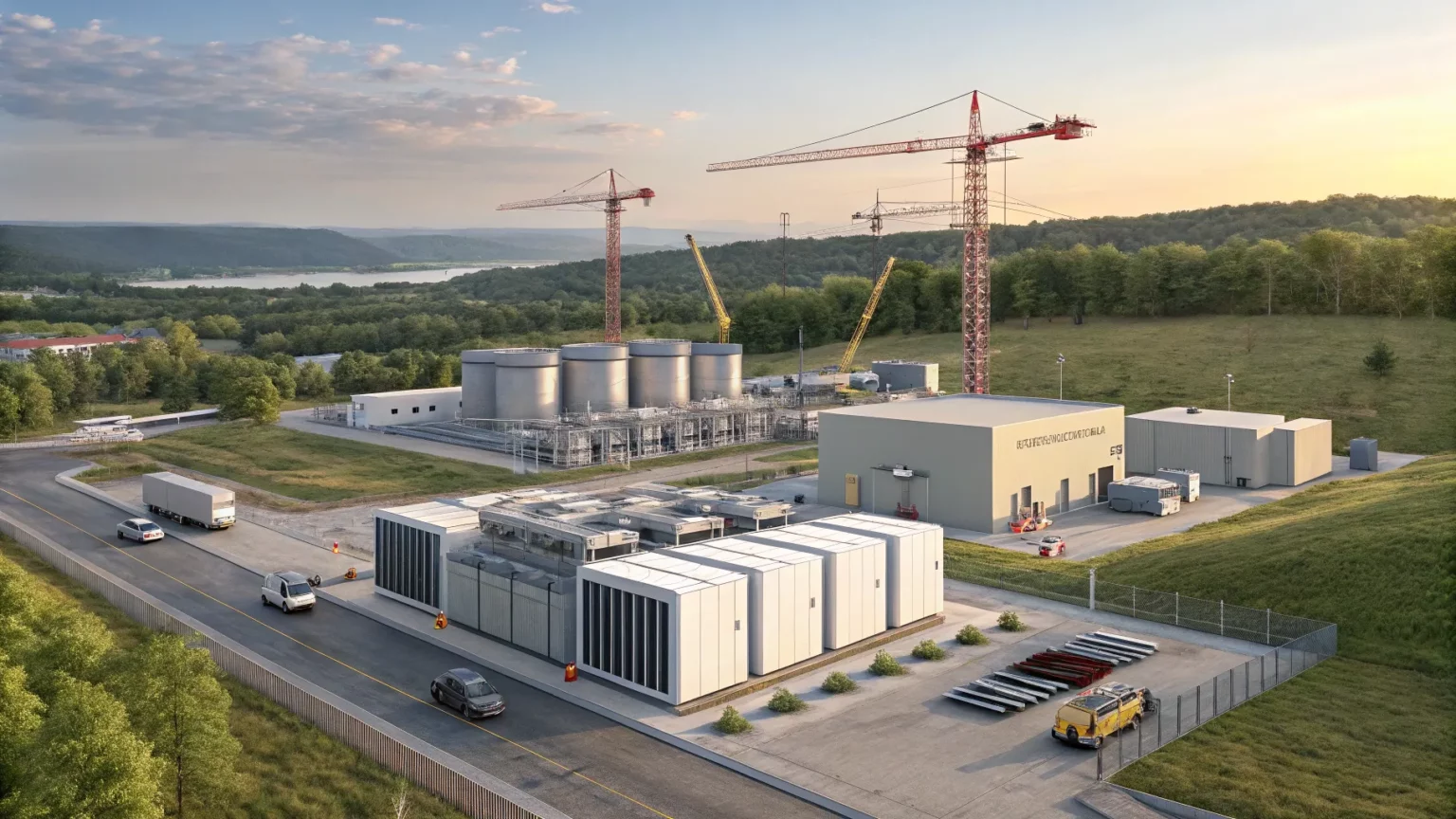
Italian energy giant Eni has agreed to a power purchase worth more than $1 billion with Commonwealth Fusion Systems for a proposed project in Virginia, betting that fusion-generated electricity could arrive in the early 2030s. The deal aligns a major European oil and gas company with one of the most watched fusion startups in the United States, as both sides push to turn a long-running scientific goal into commercial power on the grid.
The agreement, announced Monday, points to growing interest in fusion as utilities and heavy power users search for carbon-free, always-on electricity. The project aims to harness the same reaction that powers the sun. While risks remain, the scale of the contract signals rising confidence that fusion can move from the lab to market within the next decade.
The Announcement and Its Stakes
Italian energy company Eni said on Monday it struck a more than $1 billion power purchase with Commonwealth Fusion System’s project in Virginia that the companies hope by the early 2030s will generate electricity through the reaction that fires the sun.
Eni has been an investor in Commonwealth Fusion Systems (CFS) for years. This deal goes further by tying future electricity sales to project development. It also places Virginia on the map for fusion, a state already grappling with fast-rising demand from data centers and manufacturing.
Neither company disclosed final project capacity or an exact start date. They framed the timeline as early 2030s, which will require technical, regulatory, and financing milestones to land on schedule.
Background: Fusion’s Long Road
Fusion aims to join light atoms together to release energy, unlike fission, which splits heavy atoms. The fuel sources are abundant, and the reaction does not produce long-lived radioactive waste. But achieving sustained, net power output has been the central challenge for decades.
CFS, a spinout from MIT, is developing a compact tokamak design that uses high-temperature superconducting magnets. In 2021, the company reported record magnet performance, a key step for its planned demonstrator. It is also pursuing a pilot plant concept after its SPARC facility, with the first commercial unit often described as ARC.
Other efforts continue across the world. The Joint European Torus in the UK set energy records in recent years. In the U.S., the National Ignition Facility achieved fusion ignition in late 2022 using lasers, a different method from CFS’s magnetic approach.
What the Deal Could Mean
A long-term power purchase agreement (PPA) can anchor project financing and grid planning. It suggests a buyer is willing to take some risk on a new technology in exchange for future clean baseload power. That structure mirrors early deals for offshore wind and utility-scale solar in their infancy.



For Eni, the agreement advances its strategy to cut emissions while meeting rising electricity demand. For CFS, securing a major offtaker may help raise capital for construction and provide clearer revenue projections.
- Deal size: more than $1 billion
- Location: Virginia, U.S.
- Target: power on the grid in the early 2030s
Technology, Timeline, and Hurdles
Commercial fusion remains unproven. CFS must show sustained net electricity production, not just energy gain in experiments. Engineering challenges include heat handling, materials that withstand neutron flux, and steady-state operations.
Regulatory oversight in the U.S. is clearer than in past years. In 2023, the Nuclear Regulatory Commission set a framework that treats fusion differently from fission. That could shorten permitting, though safety and environmental reviews will still apply.
Grid integration is another hurdle. The developer must secure interconnection, manage timelines with regional grid operators, and align with state energy planning. Supply chains for specialized magnets and components must scale on schedule.
Market Drivers and Skepticism
Virginia’s load is growing fast, driven by data centers that need round-the-clock power. State policy supports clean energy, creating a market for firm, zero-carbon sources beyond wind and solar.
Skeptics caution that fusion timelines have slipped before. They note that first-of-a-kind plants often run over budget and behind schedule. They also question levelized costs until more details on plant size, uptime, and maintenance emerge.
Supporters argue that recent magnet advances and private funding are speeding progress. They say that a credible PPA from a large buyer is a vote of confidence and can help unlock debt financing.
What to Watch Next
Key markers include the completion of CFS’s next-stage facility, third-party validation of performance, and the filing of permits in Virginia. Grid interconnection status and construction financing will show whether the early 2030s target is realistic.
Competitors in the fusion race may announce similar offtake deals if investors respond well to this move. Utilities and tech firms could follow, seeking firm clean power to balance variable renewables.
Eni’s billion-dollar commitment gives fusion a new foothold in the U.S. power market. The next few years will determine if the technology can meet commercial tests, secure permits, and deliver steady electricity. If the Virginia project advances on time, it could shape how future baseload is built and priced in a decarbonizing grid.