




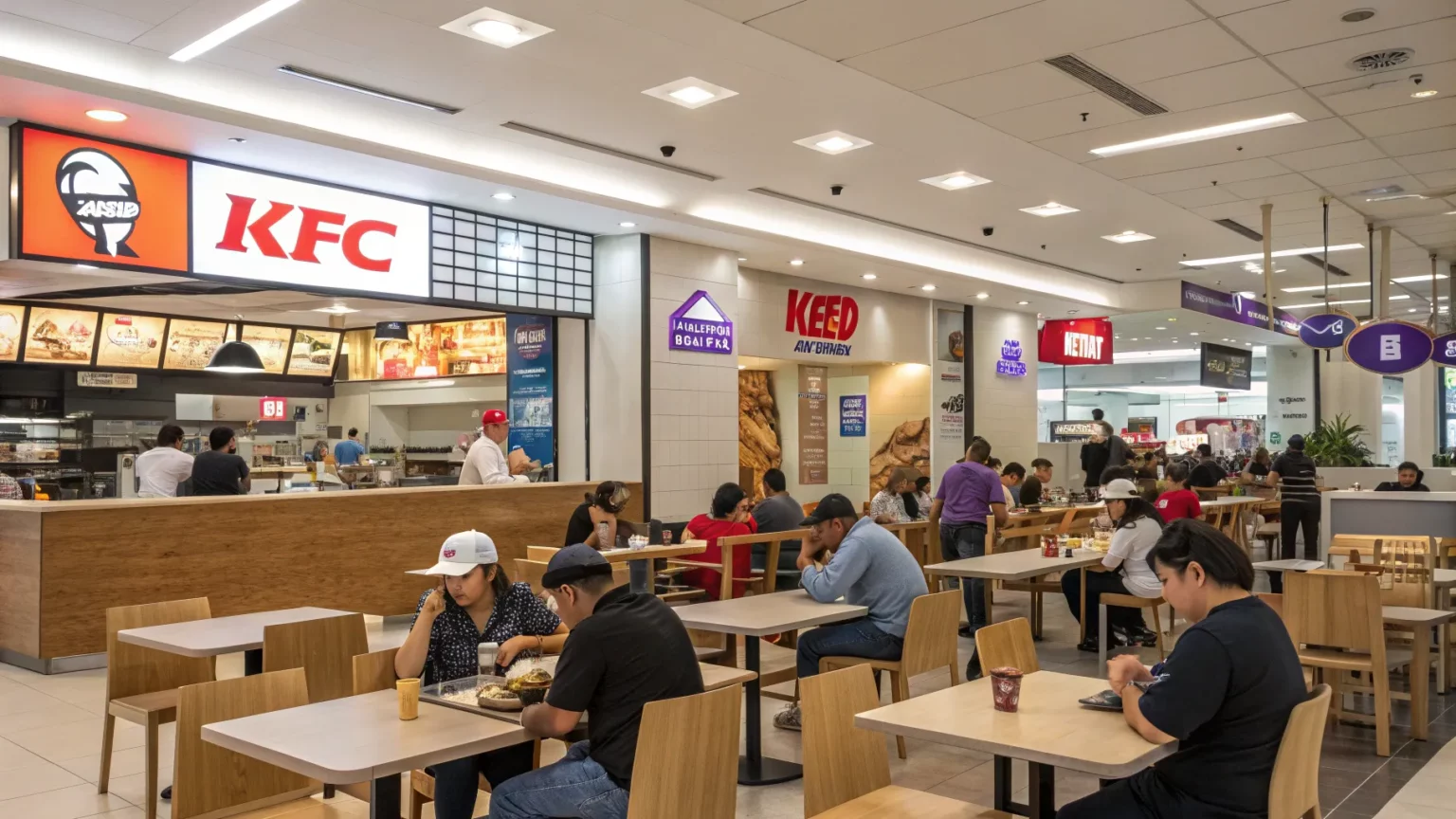
Yum! Brands reported quarterly sales that grew more slowly than investors expected, as softer growth at Taco Bell and KFC dragged on results. The earnings release, covering the latest quarter, highlights pressure on two of the company’s biggest chains at a time when restaurant traffic and pricing face new scrutiny. The company, which owns Taco Bell, KFC, Pizza Hut, and The Habit Burger Grill, signaled that demand was uneven across key segments and markets.
Management pointed to weaker-than-anticipated performance at Taco Bell and KFC. That surprised some analysts who had counted on steady momentum at the brands known for value deals, portable menus, and widely recognized marketing. The news adds urgency for Yum as the fast-food sector recalibrates amid stubborn inflation and value-focused consumers.
“Yum! Brands Inc.’s sales rose less than expected in the latest quarter after growth at Taco Bell and KFC was weaker than anticipated.”
What Slowed Two Powerhouse Brands
Taco Bell and KFC are the company’s growth engines, spanning drive-thru, delivery, and an expanding digital base. When either brand slows, it often reflects shifting consumer behavior on price, promotions, or product mix. Industry watchers say traffic has been choppy as households look for deals and weigh dining out against cooking at home.
Analysts also point to a complex picture: promotions can lift traffic but compress margins; higher prices can help profits but risk deterring price-sensitive diners. Finding the right balance has become harder, especially for chains that rely on impulse purchases and frequent visits.
The Broader Fast-Food Picture
Yum’s results arrive as many quick-service peers grapple with similar questions. Consumers still visit drive-thrus, but they are more selective. Value menus, limited-time offers, and bundles aim to bring in price-conscious guests without eroding profitability. Delivery continues to play a role, though fees can weigh on order frequency.
International markets add another layer. Currency swings and uneven economic growth can offset gains from new stores. In some regions, new unit openings drive headline sales while comparable-store growth stays muted. For a global operator like Yum, those cross-currents can shape each quarter’s outcome.
- Value-focused consumers are trading down or cutting back.
- Promotions and bundles boost traffic but may pressure margins.
- International growth helps, but currency and macro trends matter.
Signals From Taco Bell and KFC
Taco Bell has long leaned on craveable items, frequent menu news, and an active loyalty program. Slower growth suggests recent offers may not have resonated as strongly as planned or that price sensitivity is forcing deeper deal-making. KFC, a global brand with a strong international footprint, can feel swings in local spending power and competitive pricing, especially in markets where chicken is a crowded category.
Franchisees are key to both brands. Their ability to execute, staff stores, and price menus effectively shapes results. With labor and ingredient costs still elevated compared to pre-pandemic levels, operators face tighter trade-offs when planning promotions or expanding hours.



Investor Focus: Margins, Traffic, and Pricing
Investors will watch management’s commentary on three pressure points. First, traffic: are visits stabilizing, and which dayparts are soft? Second, pricing: is there room to take more price without hurting demand? Third, promotion strategy: will value bundles or loyalty offers do more of the heavy lifting in coming quarters?
Digital sales and loyalty programs remain important levers. Stronger app uptake can improve order accuracy and basket size. Yet the real test is whether digital growth comes from new visits or from shifting existing customers out of the store channel. The distinction matters for long-term growth.
What Could Come Next
Yum may lean on targeted value, simplified operations, and selective menu innovation. Tweaks to bundles, refreshes of loyalty incentives, and tighter cost control could help. International expansion is likely to continue, but management may highlight disciplined openings and returns on new units.
Competitors are likely to respond with their own aggressive deals, which can spark value cycles that pressure margins across the sector. In that environment, execution at the store level, speed, and consistency can become differentiators.
For now, the takeaway is clear: two flagship brands underperformed expectations, and that was enough to weigh on the quarter. The next few months will show whether sharper promotions and operational adjustments can reignite momentum without sacrificing profitability.
Yum’s path forward will be judged on whether it can lift traffic at Taco Bell and KFC while holding margins, keep international growth on track, and align pricing with a more cautious consumer. That balance will likely define the company’s performance for the rest of the year.