



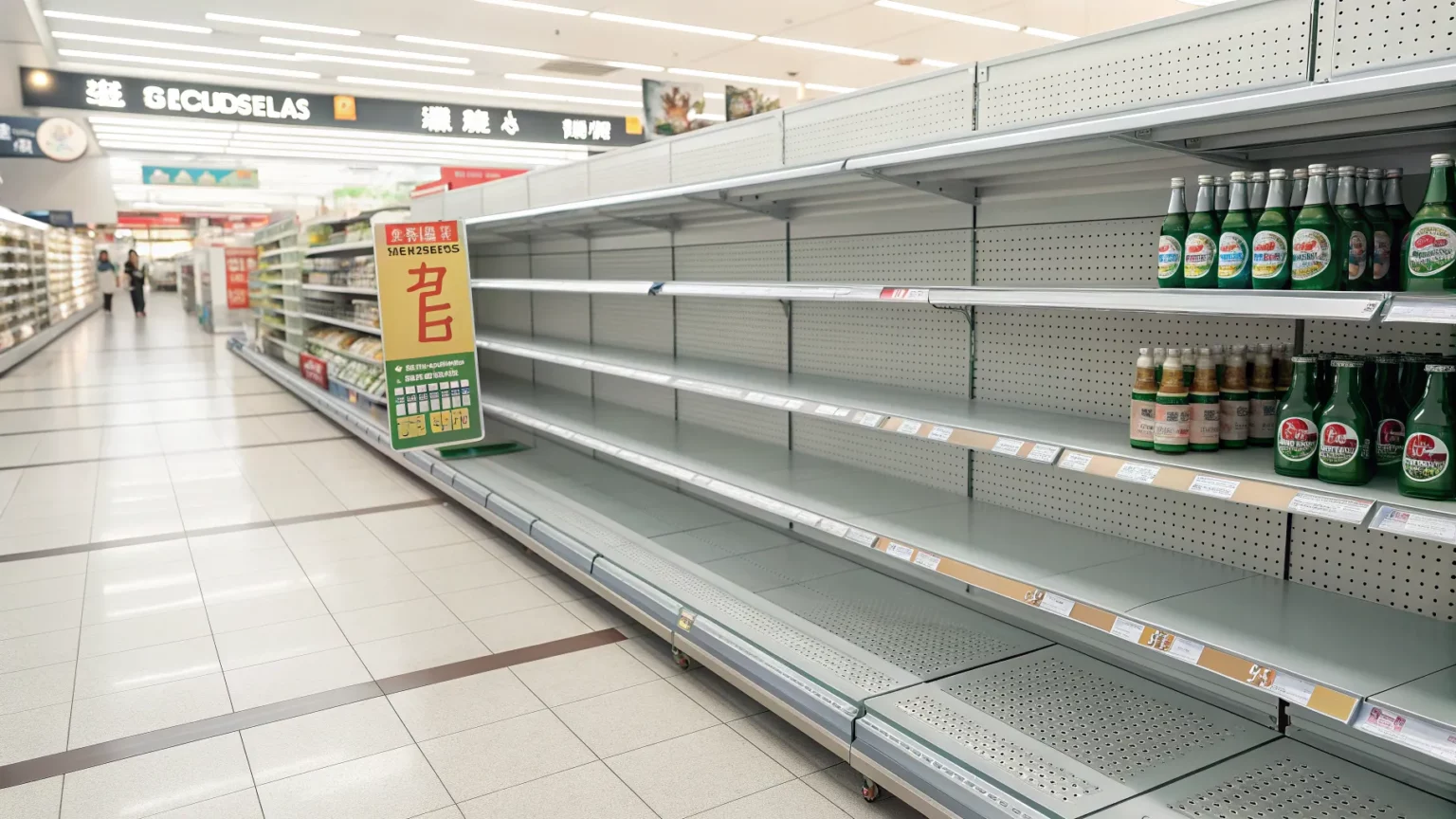
Japan’s favorite beer is getting hard to find on store shelves, raising concerns among retailers and drinkers as peak drinking seasons approach. Shoppers report empty spaces where best-selling lagers usually sit, and convenience stores say resupply is taking longer than usual. The squeeze spans major cities and regional hubs, prompting worries about summer events and travel demand.
“Stores are close to running out of Japan’s most popular beer.”
The shortage appears to be growing week by week. While wholesalers are still shipping, deliveries are lighter and less frequent, according to multiple retailers. The timing is difficult. Warmer weather, packed sports calendars, and strong tourism are pushing demand higher.
How Japan Got Here
Japan’s beer market is dominated by flagship lagers from major brewers, with one brand leading sales for years. That leadership, combined with surging demand, can strain supply when ingredients, packaging, or logistics get tight.
Several factors are adding pressure. Global barley markets have been volatile since 2022 because of weather and trade disruptions. Shipping costs rose during the pandemic and never fully returned to earlier levels. Aluminum can supplies have also faced swings, which can ripple through beverage aisles.
Domestic demand is shifting too. A phased tax change began in 2020, gradually narrowing price gaps between beer and low-malt alternatives. A further step took effect in 2023, making standard beer more attractive on price. That trend has nudged some shoppers back to well-known lagers.
Demand Surprises And Seasonal Strain
Tourism is rebounding. Bars, restaurants, and convenience stores near transit hubs have seen steady traffic. That adds pull on the same inventory that retailers use to stock home consumption.
Weather can be a hidden driver. Hotter-than-average spring and early summer days often bring sudden spikes in beer sales. When demand jumps faster than brewers forecast, shortfalls appear first at smaller stores and in fast-selling package sizes.
- Tourist areas and commuter zones report tighter supply.
- Popular six-packs sell out before single cans.
- Draft lines at bars remain stable, but packaged beer is tight.
What Brewers And Retailers Are Doing
Brewers typically respond by adding extra shifts, prioritizing top-selling formats, and reallocating shipments to high-traffic regions. Logistics teams can shift truck routes and adjust warehouse stock. But these steps take days or weeks to affect shelf supply.


Retailers are rationing popular pack sizes, limiting purchases per customer, or substituting similar lagers from rival labels. Some convenience chains are promoting mid-size cans or mixed packs to spread inventory across more shoppers.
Bars and restaurants say draft supply is steadier because kegs move on separate contracts and routes. That may help ease pressure on social occasions, even as supermarket shoppers face fewer choices.
Price And Consumer Choices
So far, shelf prices have not surged across the board. But promotional discounts on the leading label are thinner or absent in some stores. That makes rival brands and imported lagers more competitive on price.
Shoppers are adjusting in three ways. They switch to another domestic lager. They buy smaller pack sizes to stretch supply. Or they pivot to highballs and ready-to-drink cocktails, which have grown in recent years.
Signals To Watch
Several indicators will show whether the squeeze eases or worsens. First, shipment volumes to major chains over the next two weeks. Second, inventory levels at regional warehouses. Third, any brewer guidance on production schedules or ingredient sourcing.
The next heat wave, a major sports event, or a holiday weekend could create another surge. If that aligns with shipping delays or ingredient bottlenecks, shortages could spread to more regions. If brewers secure extra barley and cans, the stock could normalize before mid-summer.
Japan’s most popular beer has long defined the country’s lager market. A shortfall tests the system that gets it from breweries to carts and coolers. The near-term fix lies in steadier shipments and better alignment with seasonal demand. If inventories recover in the coming weeks, shoppers should see fuller shelves. If not, expect limits on buy quantities, more substitutions, and tighter discounts as stores spread supply through peak season.