




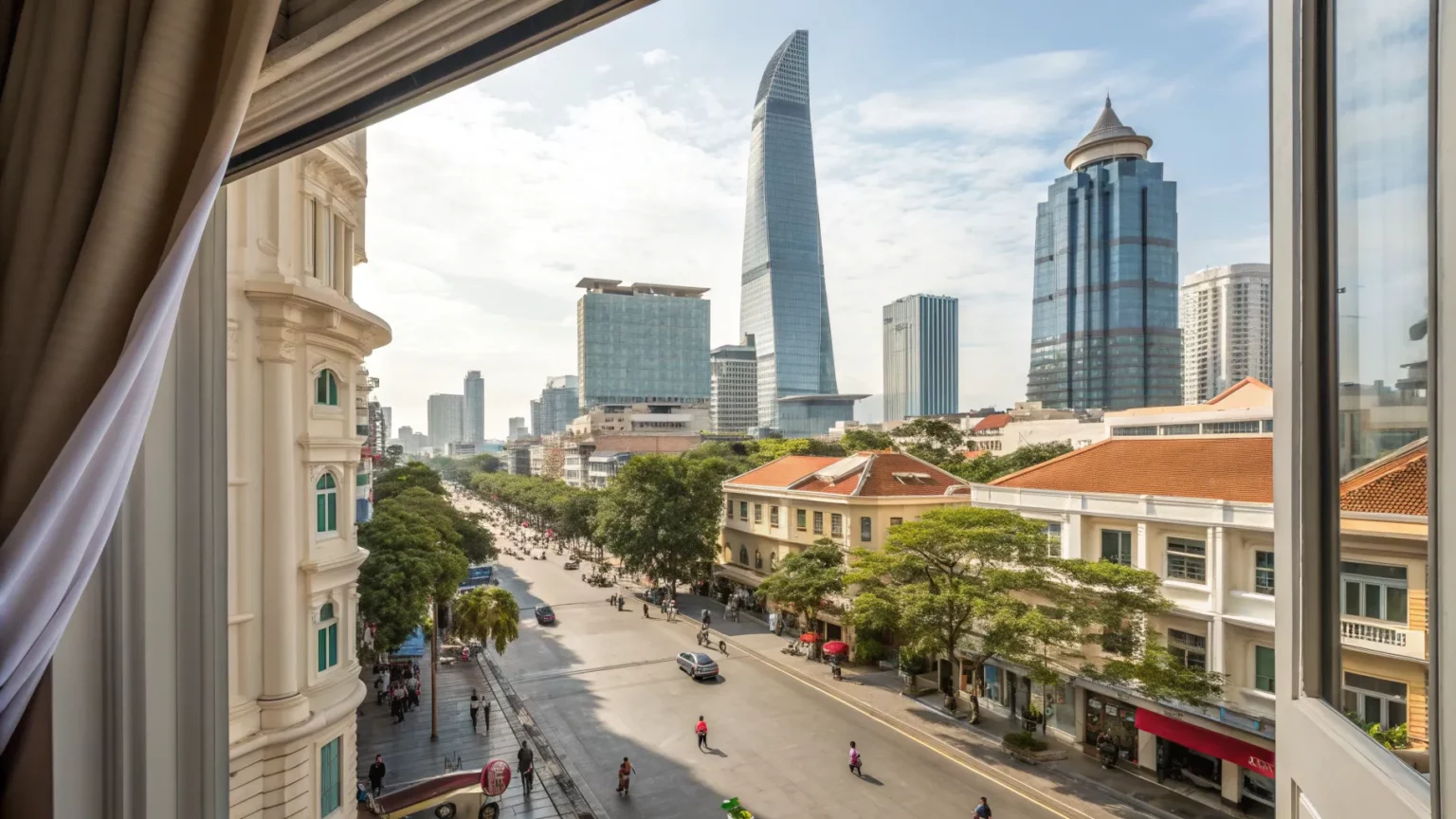
As Vietnam reopens and its largest city expands, a steady stream of foreign residents continues to settle in Ho Chi Minh City, drawn by urban energy and relative affordability. One such resident is Markeiz Ryan, who arrived in 2019 and now lives in a two-bedroom apartment in the city’s core. Their experience mirrors a wider shift as global workers and families look for stable, affordable bases in Southeast Asia’s growing economic centers.
“Markeiz Ryan moved to Vietnam in 2019 and lives in a two-bedroom apartment in Ho Chi Minh City.”
Ho Chi Minh City serves as Vietnam’s commercial hub. New arrivals cite the food scene, dense neighborhoods, and improving services. They also point to lower living costs than many Western cities, even as rents climb in central districts. The move of residents like Ryan highlights how mobility, remote work, and regional growth are reshaping the city’s housing and culture.
A Growing Expat Presence
Foreign residents have long gathered in districts near the city center, where international schools, co-working spaces, and cafes cluster. The mix widened after 2019, when professionals, teachers, and remote workers sought new bases across Southeast Asia. Ho Chi Minh City, with strong domestic demand and steady job creation, became a common choice. For many newcomers managing overseas income or remote businesses, access to co-working hubs and a virtual office has become part of settling into the city’s professional ecosystem.
Tenants describe varied neighborhoods with different price points. Two-bedroom apartments range from older walk-ups to newer high-rises with gyms and pools. Proximity to offices, reliable internet, and amenities often guide choices. For residents like Ryan, the trade-off between space and location is central to daily life.
Housing Costs And Urban Change
Rents in popular districts have edged up as supply struggles to keep pace with demand. Developers added towers with larger units to attract families and long-term residents. Smaller studios and one-bedroom units still appeal to single workers and short-term stays.
Agents report a stronger market in 2023 and 2024 after the pandemic slump. In new buildings, landlords sometimes price in dollars to appeal to foreign tenants. In older buildings, local currency contracts remain common. For newcomers, unit quality, building management, and access to public transit often matter more than brand-new finishes.
- Central districts offer walkability but higher rents.
- Outer districts trade shorter leases for more space.
- New towers promise amenities, while older buildings offer value.
Policy Shifts And Mobility
Vietnam expanded its e-visa program to 90-day entries in 2023, making repeat visits and longer stays easier for many nationalities. The change helped remote workers and project-based staff plan stints in the country. It also gave families time to trial neighborhoods and schools before committing to longer leases.
While the country does not offer a formal digital nomad visa, the longer e-visa and clearer extension rules reduced friction. For residents like Ryan, the policy backdrop supports stability. Clearer routes to stay ease the search for housing and basic services.



Daily Life In A Fast-Growing City
Ho Chi Minh City’s daily rhythm is a draw. The food scene spans street stalls to upscale dining. Co-working sites and cafes enable flexible schedules. Parks, riverfront paths, and weekend markets provide leisure options. These features make the two-bedroom apartment a practical base for hosting visitors or sharing with a roommate.
Yet the pace can challenge newcomers. Traffic, construction, and seasonal flooding remain concerns. Residents often choose buildings with strong maintenance and on-site security. Reliable backup power and water pressure are common checks during apartment viewings.
What To Watch Next
Real estate analysts expect ongoing demand for mid-market rentals as more foreign workers arrive and local incomes rise. Upgrades to metro lines and transit links could reshape unit values near stations. If interest rates ease, more projects may move from plan to completion, adding supply.
Policy clarity will remain important. If visa rules stay predictable, long-term leasing will likely grow. That helps both tenants seeking stability and landlords seeking steady occupancy.
For residents like Ryan, the city offers a blend of affordability, access, and community. The choice of a two-bedroom unit points to a desire for space in a dense urban core. It also speaks to confidence in the city’s trajectory.
Ho Chi Minh City is still building its future. For now, its pull is clear: a lively economy, expanding housing options, and fewer barriers for people who want to put down roots. The next phase will depend on how quickly new homes arrive, how infrastructure keeps pace, and how policy supports those who choose to stay.