




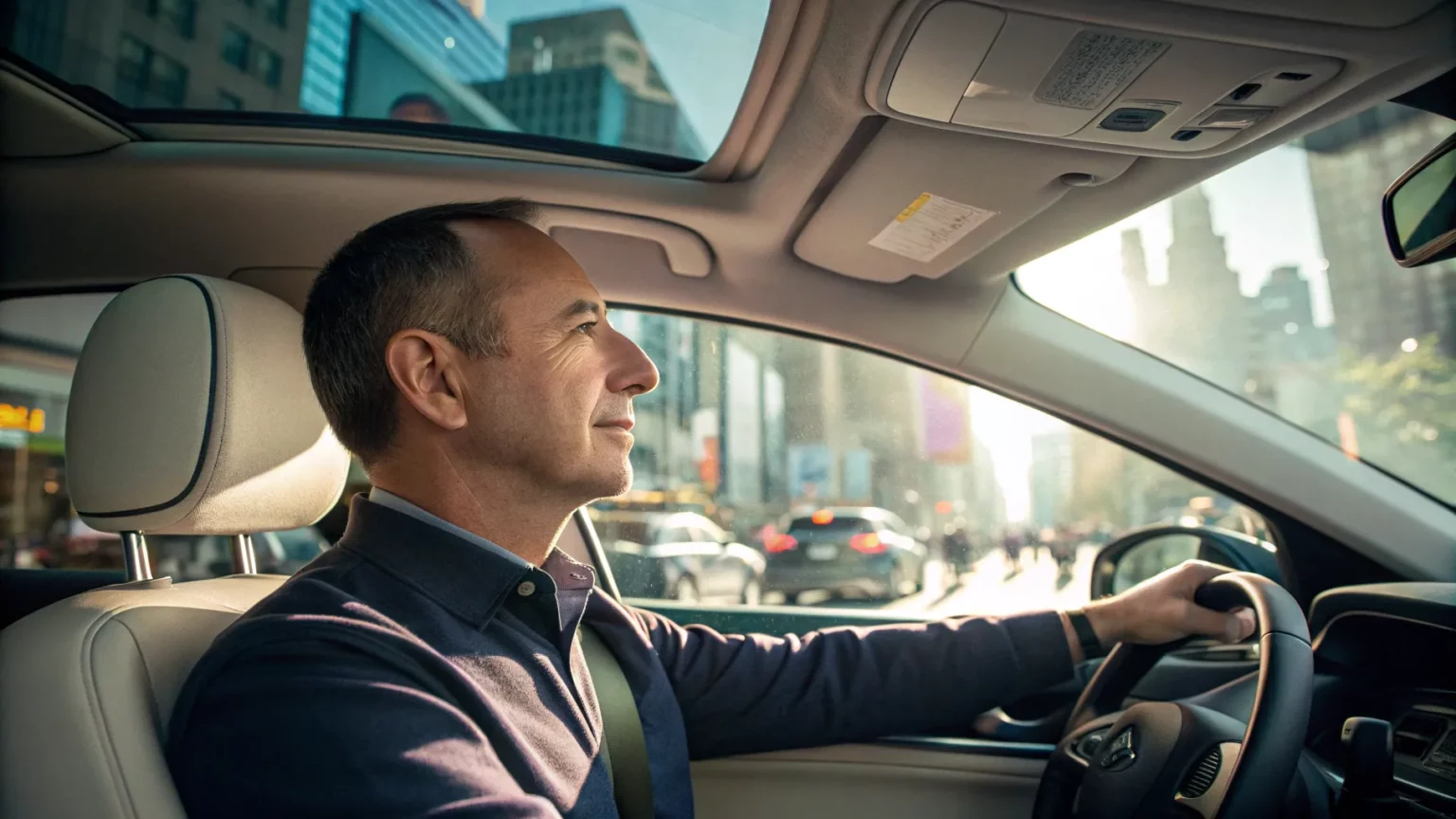
Lyft moves an estimated two million riders each day across North America, and at times the person picking up a fare is the company’s chief executive, David Risher. His decision to drive on the platform offers a rare view from the front seat as the company works to improve reliability, driver earnings, and rider trust in a fiercely competitive market.
“There are two million Lyft rides taken every day. Sometimes, CEO David Risher is behind the wheel.”
The approach signals a hands-on push to tighten wait times, keep prices in check, and sharpen the core ride-hailing service. It also comes as regulators, drivers, and riders weigh in on safety, pay, and service quality.
Background: A Turn Back to the Core
Risher took over leadership in 2023 with a clear focus on the company’s main ride-hailing business after years of expansion into side bets. The strategy has centered on faster pickups, clear pricing, and features aimed at trust and comfort for both drivers and riders. Lyft operates mainly in the United States and Canada, where it competes with Uber for riders, drivers, and airport trips.
Driver pay and flexibility have stayed at the center of the debate over gig work. In California, Proposition 22 set a floor for certain benefits while keeping drivers classified as independent contractors. Other states are watching and testing their own rules. That regulatory mix shapes how companies set fares, fees, and incentives.
A CEO in the Driver’s Seat
Risher’s time behind the wheel gives him a direct view of the app flow, rider expectations, and the trade-offs drivers face between time, distance, and pay. Executives rarely work front-line shifts, and his choice offers immediate feedback on features such as route suggestions, surge pricing, and airport pickup flows.
For drivers, small fixes can matter. Clearer trip details before accepting a ride, fairer cancellation policies, and smarter routing all affect take-home earnings. For riders, consistent wait times and accurate arrival estimates shape everyday loyalty. By driving, the CEO experiences those pressure points first-hand.
Riders, Drivers, and the Service Gap
Riders value short waits and predictable prices. Drivers value steady demand and earnings that cover time and costs. Those aims can conflict when demand is uneven across a city or at peak times. Companies try to balance the system with bonuses, queueing rules at airports, and real-time pricing.
- Riders want on-time pickups and transparent fares.
- Drivers want clear trip info and earnings that reflect time and distance.
- The platform must keep enough drivers active to meet demand.
Hands-on leadership can speed fixes when these needs clash. It can also surface small pain points that data dashboards miss, such as confusing pickup zones or poor lighting at night.



Competition and Product Moves
Lyft and Uber compete on speed, price, and safety features. Both have invested in map quality, fraud detection, and driver support. Lyft has rolled out options that match riders and drivers by preference, plus tools that help drivers see more about a trip before they accept. The company has also worked to improve airport flows and shared rides where cities allow them.
Industry watchers expect more targeted incentives and better route planning during major events and storms, when demand spikes create the widest service gaps. Faster support for drivers after incidents remains a key test of trust.
Safety and Regulation
Safety remains a top concern. Both companies screen drivers and allow riders to share trips with trusted contacts. City rules on data sharing, pickup zones, and wheelchair-accessible vehicles add further requirements. As policies evolve, enforcement and clear communication can reduce confusion for both sides of the ride.
What to Watch Next
Direct executive engagement can lead to faster product changes, but the larger test is scale. Two million daily trips require consistent systems city by city. Better tools for up-front pay clarity, smarter dispatch, and faster support after issues could lift satisfaction for both riders and drivers. Continued coordination with airports and city officials will also be important as travel patterns shift.
Lyft’s bet is that a CEO who drives can spot friction early and push quick fixes that data alone may miss. If that approach translates into shorter waits, steadier earnings, and better safety, the daily ride may feel a little smoother for everyone.