



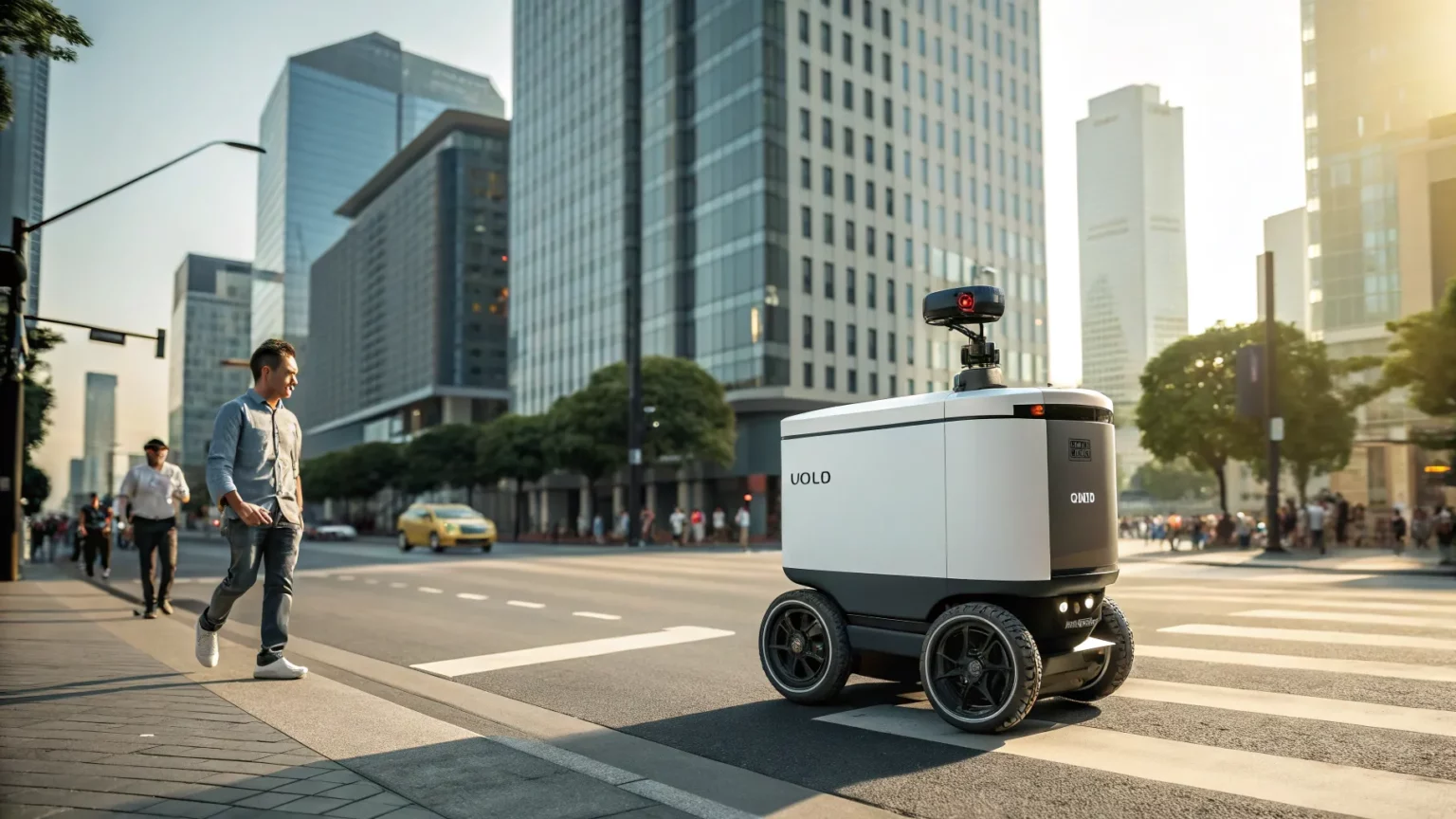
Coco Robotics says it is moving to automate its delivery robots after logging millions of miles on city streets. The company is using that trove of driving data to improve onboard decision-making and reduce the need for human help. The push comes as demand for quick, low-cost delivery keeps rising in major U.S. markets.
The effort signals a shift from remote-operated robots toward systems that can handle more situations on their own. It also raises familiar questions for city officials, delivery workers, and nearby businesses. Safety, sidewalk access, and the future of part-time jobs are all in play as the company ramps up tests.
Why Automation, Why Now
Delivery robots have been a visible presence in select neighborhoods for several years. Most rely on a mix of autonomy and remote oversight. Human operators step in when a robot faces a blocked sidewalk, a tricky crossing, or a confused passerby. Each trip generates data about routes, obstacles, and human behavior.
Coco Robotics says it has stockpiled enough trip history to train better models. In a company statement, it put the focus on scale and learning from experience.
“Coco Robotics is working toward automating its fleet of delivery robots using its millions of miles of collected data.”
That approach mirrors broader trends in automated driving. The more real-world examples a system sees, the better it can predict the next moment. For deliveries, this means smoother navigation, fewer stalls at intersections, and faster arrivals during rush hours.
How Data Trains the Robots
Training a delivery robot often starts with basic tasks. Staying centered on a sidewalk. Recognizing crosswalks. Yielding to people, pets, and cyclists. From there, systems learn signs of trouble and plan alternative routes.
Millions of miles deliver events that are rare but important. A blocked curb ramp. A scooter left across a path. A construction zone with missing signs. Those examples improve the models that run on each robot, making them more prepared for the next odd situation.
- Perception: Cameras and sensors detect people, vehicles, and obstacles.
- Prediction: Software estimates where those objects will move next.
- Planning: The robot picks a safe, legal, and efficient path.
Better data can cut the number of times a human needs to take the controls. That change helps margins and can expand service areas without hiring a larger remote staff.

Safety, Jobs, and City Rules
City leaders often ask how robots will share crowded sidewalks. Clear markings, low speeds, and reliable yielding behavior are key. Disability advocates stress that curb cuts and narrow paths must remain open. Automation must meet those expectations on every trip, not just most trips.
Labor groups watch a different metric: who does the work and who gets paid. More automation could reduce remote operator roles over time. Companies argue that higher reliability brings more orders, which could create new maintenance and fleet jobs. The balance will depend on how quickly autonomy improves and how regulators respond.
Regulators have been cautious with sidewalk tech. Some cities cap fleet sizes or restrict hours. Others set pilot zones to study incidents and complaint rates. Proving consistent safety across neighborhoods, weather, and events is often a requirement for expansion.
What It Means for Restaurants and Shoppers
For restaurants, automation promises steadier delivery times and lower costs per order. That could protect margins as food and labor costs rise. For shoppers, it may mean cheaper delivery fees and more predictable time windows.
Reliability still matters most. If a robot stops frequently or arrives late, customers switch apps. Coco Robotics is betting that its data-driven models will cut delays and raise on-time rates. Success there could help win contracts in dense areas where minutes count.
What to Watch Next
Key signs of progress will be public pilots that disclose incident rates, response times, and handoff reliability. Partnerships with cities and universities can add independent checks. Insurance terms and safety certifications are another tell for maturity.
Competitors are also investing in more autonomy. The race is not only about who can drive the farthest, but who can handle the messy parts of city life every single day. Coco Robotics’ focus on learning from millions of miles shows a clear plan to reach that goal.
If the company can sustain safe operations with less human help, delivery could become faster and more affordable in more neighborhoods. The next year will show whether its data-first strategy turns into quieter sidewalks, fewer pauses, and orders that arrive when promised.