



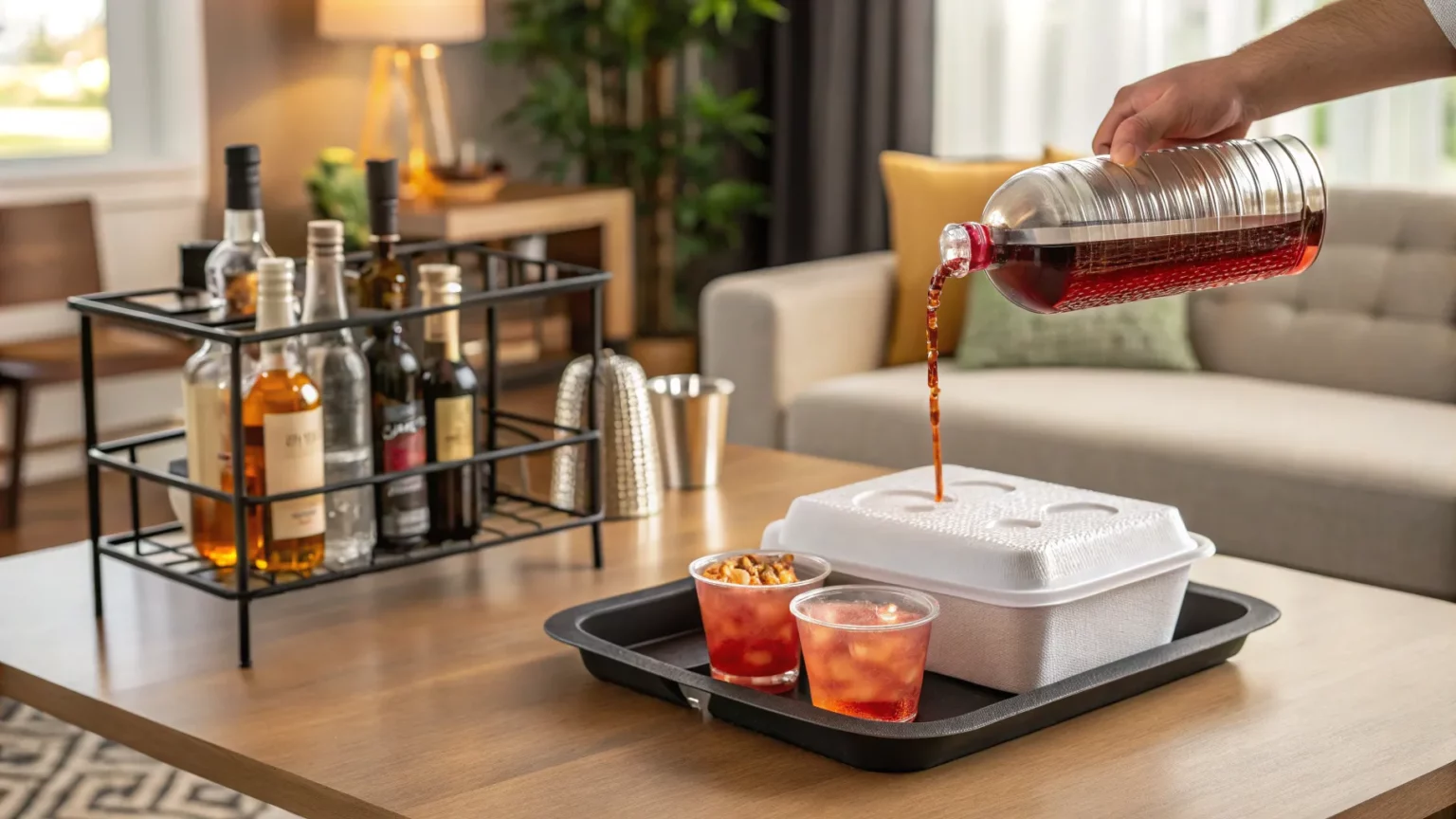
Cocktails have moved from the barstool to the sofa, as restaurants lean on to-go drinks and home bartenders sharpen their shakers. That shift grew during the pandemic and remains in many places, with more than 30 states allowing cocktails to go, according to the Distilled Spirits Council. The change has kept cash registers ringing and stirred a wider taste for craft drinks at home.
“Cocktails are having a moment, and because of the pandemic, that moment is happening most often at home. Many restaurants have responded with cocktails to go, approved in more than 30 states, according to the Distilled Spirits Council, an industry trade group.”
How Takeout Drinks Took Off
When dining rooms closed and foot traffic vanished, bars needed a lifeline. State officials relaxed rules to let restaurants package mixed drinks with food orders. That stopgap policy quickly became a habit for customers who wanted bar-quality drinks without the bar.
For many operators, these orders helped cover rent and payroll during lean months. The option also introduced casual drinkers to better spirits, fresh citrus, and house syrups. Bottled negronis and sealed margaritas became a normal add-on with dinner.
Several states kept or extended the allowances as dining returned. Others limited them to temporary orders. The patchwork has left owners weighing new packaging costs, delivery rules, and ID checks against the continued demand.
Home Bartenders Step Up
The at-home trend did not stop with delivery. It sparked a mini education in mixing. Recipe cards in takeout bags doubled as coaching. Short video lessons from bartenders helped customers learn ratios and technique.
- Simple drinks, like spritzes and sours, gained fans for easy mixing.
- Pre-batched cocktails saved time and cut waste.
- Quality ice and fresh juice moved from “nice to have” to must-haves.
Shoppers began to try different bitters and vermouths. Sales of shakers, jiggers, and glassware climbed in step with interest. While some of this gear now gathers dust, many households keep one or two go-to recipes in rotation.
Winners, Losers, and What It Means
Restaurants with strong bar programs found new revenue from sealed cocktails. Neighborhood spots that paired drinks with family-style meals kept regulars engaged. Suppliers benefited as higher-end spirits replaced bottom-shelf orders.
The flip side is obvious. Bars that thrived on busy nights cannot fully replace that energy with plastic cups and tamper seals. Delivery takes a cut. Packaging is wasteful and not cheap. And the social spark of a skilled bartender is hard to box up.


Public safety concerns remain part of the debate. States require sealed containers and proof-of-age checks, yet enforcement varies by delivery platform and local rules. Supporters say the rules mirror beer and wine takeout. Critics worry about open-container mistakes and underage access.
Policy Debate Moves From Emergency to Long Term
As emergency orders expired, lawmakers faced a choice: keep to-go cocktails, revise them, or roll them back. Many chose to extend the policy with guardrails, citing steady demand and restaurant recovery. Others tightened rules with pickup-only limits or strict sealing standards.
The Distilled Spirits Council has tracked the trend and pushed for stable rules. The group argues that to-go drinks are a modest share of sales but a key tool for small businesses. Opponents press for clearer limits on delivery and better training.
Cities also factor in street life. Some entertainment districts now allow designated zones for takeout drinks. That can boost foot traffic but requires trash control, transit planning, and clear signage on where drinks are allowed.
What To Watch Next
Two questions will shape the next phase. First, will customers keep ordering sealed cocktails now that dining rooms are full? Second, can operators make the numbers work once packaging and delivery fees rise?
Expect more bars to offer mix-at-home kits rather than fully mixed drinks. These kits skirt some rules and travel better. Expect clearer labeling, stronger ID checks, and better packaging that keeps carbonation and freshness.
For drinkers, the upside is choice. A night in can taste like a night out. For owners, the math is still tight, but to-go drinks can smooth slow days, sell seasonal specials, and showcase house recipes.
The bottom line is simple. The pandemic pushed cocktails into the takeout lane, and many customers do not want to give up the convenience. Whether states keep the rules or tweak them, bars and restaurants are adapting. Watch for tighter standards, smarter packaging, and a steady mix of on-premise fun and off-premise comfort.