




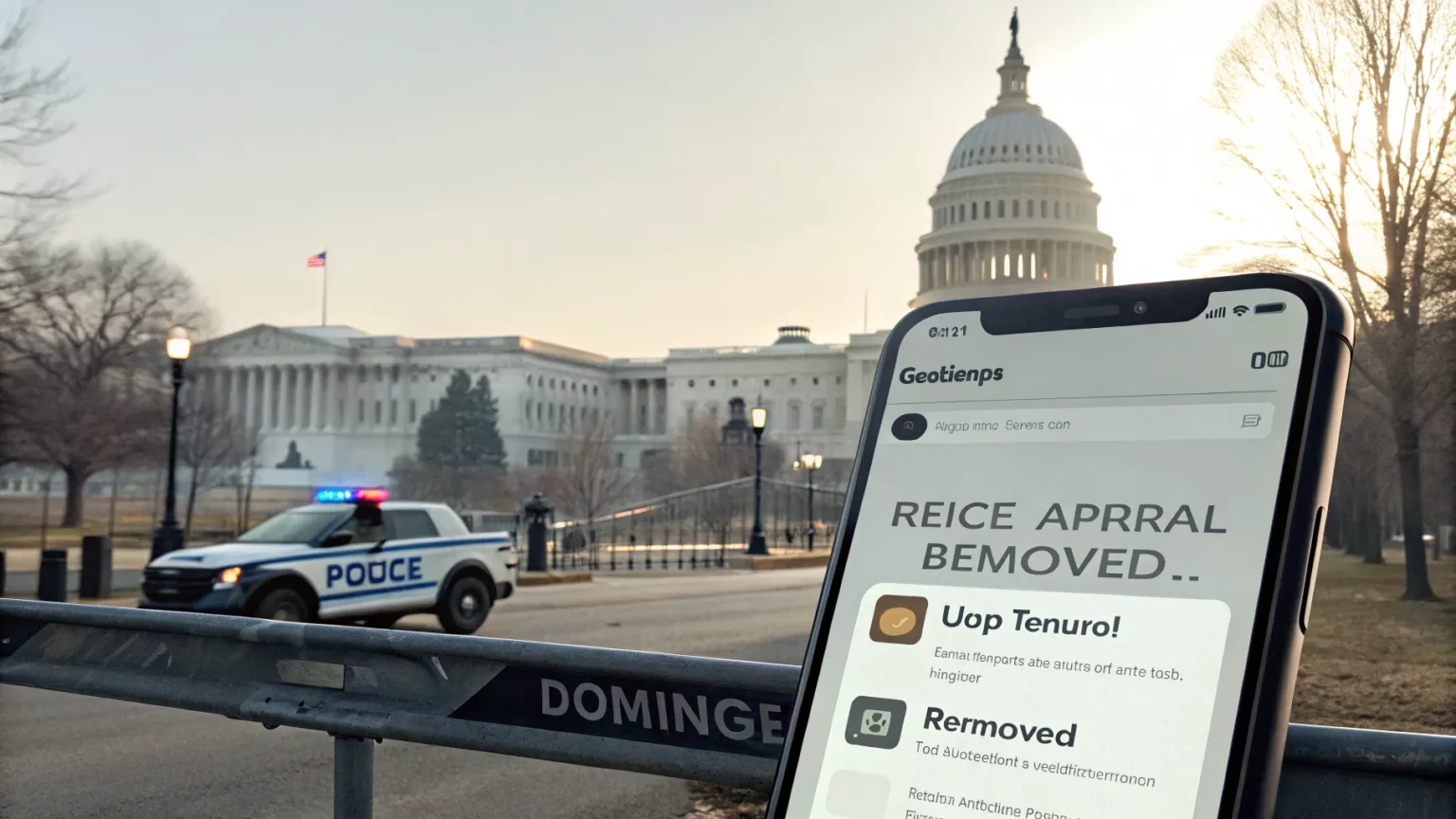
Apple has removed mobile apps that tracked the locations of U.S. Immigration and Customs Enforcement (ICE) officers, triggering a rapid backlash over safety, speech, and corporate power. The company acted this week in the United States, setting off a dispute over whether the move protects law enforcement or reflects undue government pressure on a dominant platform.
The decision affects apps designed to crowdsource and display where ICE agents were believed to be operating. Supporters of the removal say the listings endangered officers and could disrupt lawful operations. Critics argue the takedown limits public awareness of enforcement actions and may have been influenced by political demands.
“Apple’s decision to take down ICE location tracking apps generates controversy, with supporters citing officer safety and critics questioning government pressure.”
How Safety Collides With Public Information
At the center of the dispute is a basic question: when does publication of government activity cross into personal risk?
Law enforcement advocates say apps that map officer sightings can quickly turn into doxxing tools. They worry such tools could enable harassment or targeted violence, especially when they pinpoint agents’ identities or predictable routes.
Civil liberties advocates counter that location tracking of agencies in public spaces is not the same as exposing private details. They say the public has a right to monitor government actions that can affect communities, and that real-time alerts can help people plan travel, avoid checkpoints, or seek legal help.
Apple’s App Store rules prohibit apps that enable harm or harassment. The company often cites user safety as the reason for removals. In this case, the debate is whether reporting on public enforcement activity fits those categories.
Apple’s Gatekeeper Role Draws Scrutiny
Apple controls distribution for iPhone apps through its App Store, giving it unusual leverage. When Apple removes an app, developers lose access to a large market. That power invites questions about how rules are applied and who influences those decisions.
Critics warn that takedowns involving government agencies call for special care. They argue companies should provide detailed explanations, clear appeals, and consistent standards to avoid the appearance of political interference.



Supporters of the move say the company has the right—and duty—to stop tools that could put people at risk. They point to a broader trend of platforms tightening rules on surveillance, harassment, and targeted threats.
Free Speech, Transparency, and Enforcement
The apps at issue reflected a wider shift toward crowdsourced reporting. Similar tools have been used to flag traffic checkpoints, public demonstrations, and emergency events.
Free speech advocates say that, as long as users share information gathered in public, platforms should err on the side of allowing access. They argue that oversight of government activity serves a legitimate public interest.
Law enforcement voices respond that real-time tracking can compromise operations and safety. They suggest that after-action reporting or anonymized data may strike a safer balance.
- Safety concern: real-time location data could expose officers to harm.
- Transparency concern: removal may reduce public awareness of enforcement actions.
- Governance concern: lack of clear standards risks inconsistent enforcement.
Legal and Policy Questions
Apple is not a government actor, and its content decisions are shaped by its own policies. Courts have generally allowed private platforms to set and enforce rules, though lawmakers in several states have pushed for more transparency around moderation.
The dispute also highlights gaps between speech protections and app store control. While speech may be lawful, it can still be barred by private distribution rules when deemed unsafe or abusive.
Policy experts say clearer guidance could help. Standards that define what counts as actionable risk—such as precision of location, identification of individuals, and intent—would give developers predictable boundaries.
What Happens Next
Developers could seek to revise their apps by removing names, blurring precise coordinates, or shifting to time-delayed reporting. That could reduce risk while preserving awareness of enforcement trends.
Apple may face calls to publish more detail about how it reviewed the apps, what specific rules were involved, and what changes would allow reinstatement. Transparency reports and case summaries could help rebuild trust.
Community groups are likely to explore alternatives, such as web-based tools outside app stores, SMS alert networks, or partnerships with legal aid organizations to distribute guidance without live tracking.
The larger issue will not fade. Platforms will keep weighing user safety against the public’s right to know. As officials, companies, and advocates debate new lines, the rules set in this case could influence how location-based reporting on government activity is handled across the industry.
For now, Apple’s move signals a stricter stance on real-time tracking of law enforcement. The next steps—clearer standards from the company, safer app designs from developers, and honest dialogue with communities—will shape whether such tools can exist in a way that protects both safety and transparency.