



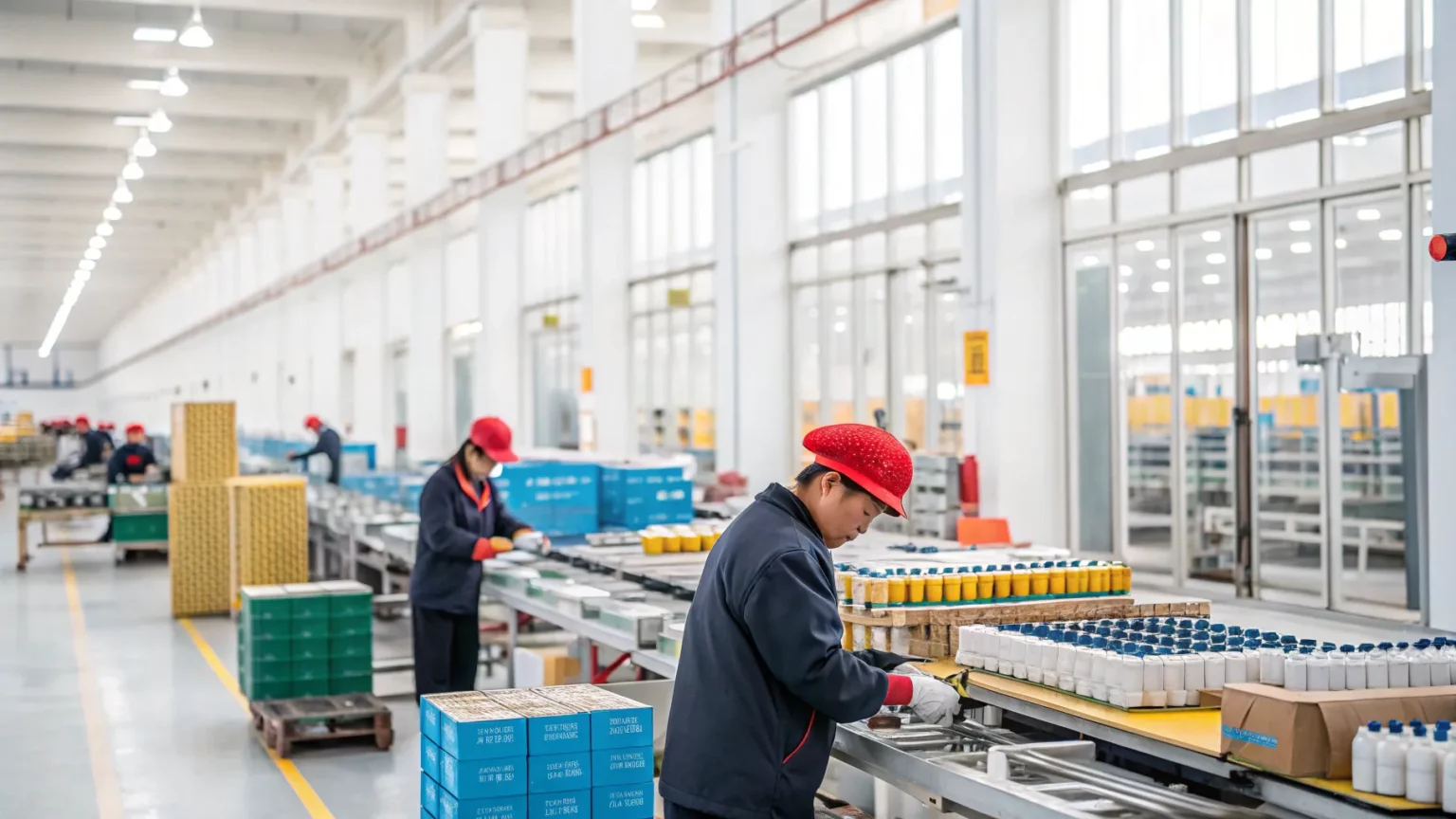
As Washington debates fresh trade measures against China, factories in the eastern city of Yiwu are busy filling orders, offering an on-the-ground check against predictions of a sudden collapse. The argument is sharp: some U.S. policy advocates say Beijing’s slowing economy cannot absorb another tariff shock. Yet the workshops that power China’s small-goods exports suggest a more complex story emerging in real time.
In Washington, China hawks say its economy is too weak to withstand a tariff shock. In the city of Yiwu, factories are showing why, for now, that may be a miscalculation.
The debate comes as the United States raises duties on a range of Chinese goods, extending a trade conflict that began in 2018. China’s economy faces a housing slump, local debt strains, and weak consumer confidence. Still, exporters in lower-cost hubs like Yiwu continue to adapt, finding ways to keep prices low and deliveries steady.
Tariffs Rise, Pressure Builds
The U.S. has expanded tariffs on products from electric vehicles to solar components. The goal is to protect domestic industries and address national security concerns. Tariffs increase costs for Chinese suppliers and their customers, pressuring profit margins and testing export demand.
China’s broader growth picture is mixed. Official data show modest GDP growth in 2023 and ongoing headwinds in property and local finance. Factory activity has swung between contraction and expansion. Youth joblessness has been high. Those conditions fuel the view in Washington that new tariffs would bite harder than before.
Yiwu’s Playbook: Price, Speed, Flexibility
Yiwu, known for its vast wholesale market for small commodities, has a long record of rapid adjustments. Many factories operate on thin margins, short production runs, and quick delivery cycles. That allows them to change product lines or materials in weeks, not months.
Exporters also lean on a dense network of freight forwarders, e-commerce channels, and logistics parks. When duties rise in one market, they often redirect goods to another. They package items differently to meet shifting customs rules and vary order sizes to manage risk.
- Short lead times help match changing demand.
- Small-batch production cuts inventory risk.
- Diverse buyers reduce reliance on one market.
Costs, Currency, and Workarounds
Price remains Yiwu’s strongest lever. Factories trim costs by adjusting inputs, negotiating with suppliers, and automating simple steps. Some shift to higher-margin variations of everyday goods, such as bundled kits or customized packaging, to absorb part of the tariff hit.
Exchange rates can also soften the blow. A weaker yuan lowers dollar-denominated costs for overseas buyers, offsetting some duties. While currency moves are not a cure-all, they can buy time for factories to reprice or retool.

Another tactic is “friend-shoring” without a full move. Companies keep core production in China but complete final assembly in Southeast Asia to qualify under different tariff schedules. This approach requires added oversight and can raise complexity, but it offers a bridge when duties surge.
What Buyers Are Doing
Importers are spreading orders across suppliers and countries to limit exposure. Some pass on costs to consumers; others reduce features or change materials to keep the shelf price stable. Retailers also increase the use of private labels, giving them more control over specifications and price points.
For small and mid-sized buyers, Yiwu’s ecosystem remains attractive. They can place modest orders, consolidate shipments, and test new items quickly. That speed can outweigh tariff costs if the product hits the market at the right time.
Risks That Could Change the Equation
Tariffs are only one part of the story. If multiple markets tighten trade rules at once, rerouting gets harder. Energy or shipping disruptions could push up costs. A stronger yuan would remove a pricing cushion. New compliance rules on labor and environmental standards may increase overhead, especially for smaller factories.
Domestic demand in China is another wild card. If consumption weakens further, factories could depend even more on exports, heightening sensitivity to foreign policy shifts.
For now, Yiwu’s output challenges the idea that China’s exporters will quickly buckle under new duties. The city’s mix of low costs, fast turnarounds, and flexible sourcing is cushioning the impact. But the balance is delicate. If tariffs keep rising or spread to more categories, the strategies that work today may lose traction. Watch for signs in delivery times, discounting, and shifts in final assembly locations. Those signals will show whether resilience holds—or whether pressure finally forces a larger reset.