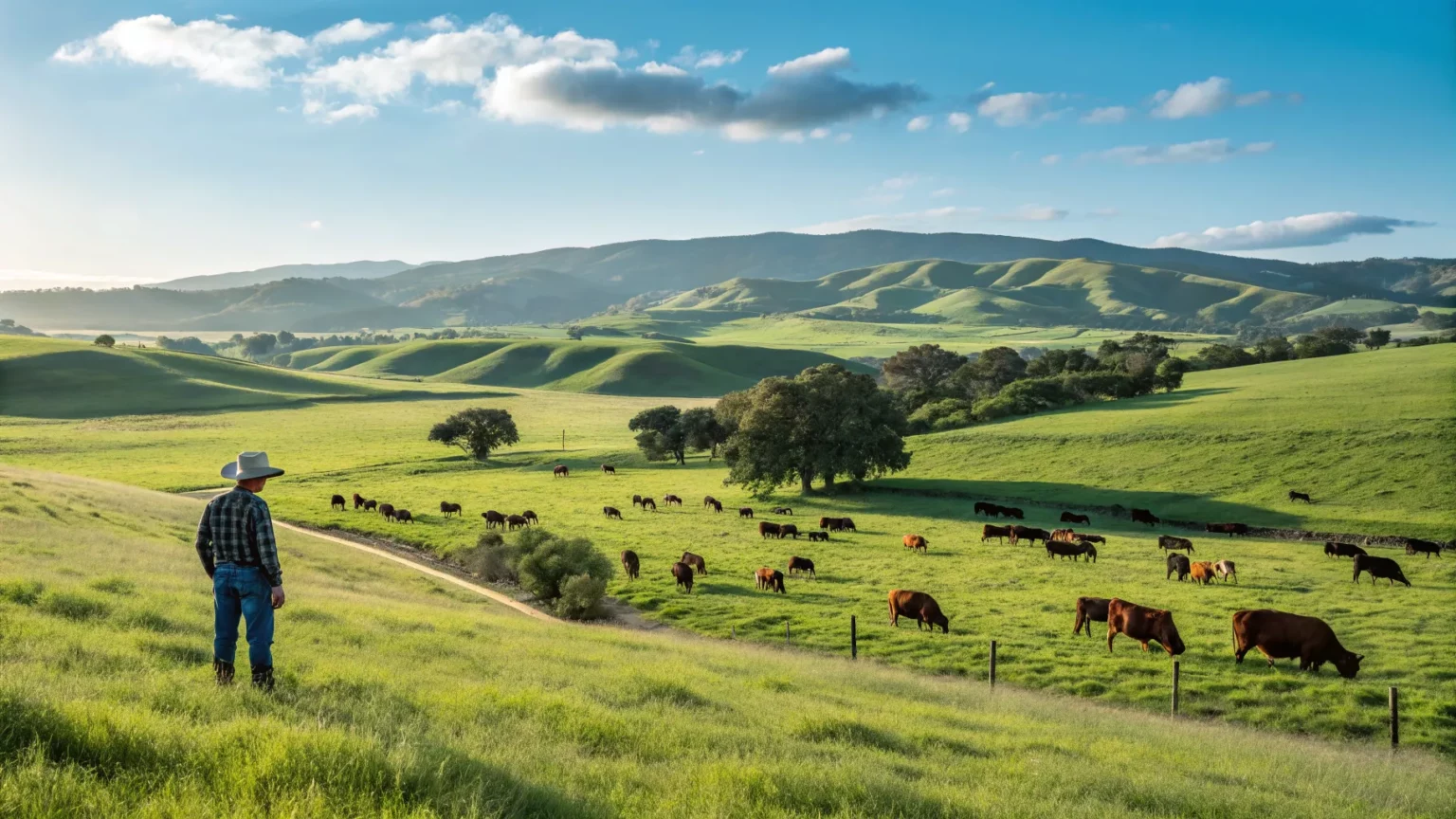
President Donald Trump’s push to bring more red meat into the United States has set off a fresh fight with cattle producers, who say the move undercuts his pledge to boost domestic agriculture. The proposal, discussed amid tight supplies and price swings, has drawn an immediate and sharp backlash from ranchers across major cattle states who argue it could depress prices for U.S.-raised beef and steer investment away from local herds.
The dispute pits a policy aimed at lowering costs for consumers and meatpackers against the interests of ranchers who want stronger support for American production. It comes as the industry faces drought, high feed costs, and continued consolidation among large processors—factors that have already squeezed margins for smaller operations.
Background: A Long-Running Fight Over Imports
Import policy is a recurring flashpoint in the beef and cattle sector. The U.S. is both one of the largest producers and consumers of beef, and it supplements supply with imports to meet demand for specific cuts and lean trim for ground beef. That trade fills gaps but also stirs political debate during periods of low cattle inventories or plant bottlenecks.
Country-of-Origin Labeling for beef was repealed in 2015 after a World Trade Organization dispute, a change many ranchers still oppose because they want meat labeled as “Product of USA” only when animals are born, raised, and slaughtered domestically. In 2017, U.S. regulators halted imports of fresh beef from Brazil over safety concerns; in 2020 the ban was lifted with added inspections. Those decisions continue to inform ranchers’ skepticism about expanding imports today.
Industry Reaction: Fears of Depressed Prices
Ranchers say more foreign beef could weigh on cash cattle prices and cattle futures at a time when drought has forced herd reductions. Many argue they cannot pass higher feed, fuel, and labor costs along the supply chain, while imported meat could give large packers more leverage in negotiations.
President Trump’s plan to import red meat runs counter to his philosophy of increasing domestic production, and has angered cattle ranchers in the United States.
Producer groups contend the policy sends a mixed message after years of rhetoric about reshoring supply chains. They want clearer signals that federal policy will reward herd rebuilding, modernize price discovery, and support competition among packers.
White House Rationale and Consumer Pressures
Supporters of more imports say the policy could ease sticker shock for families and restaurants if wholesale prices rise. They argue that additional supply, even on a temporary basis, can stabilize the market and prevent shortages like those seen during plant disruptions in recent years. Importers also point out that U.S. food safety standards still apply, and inspections can be tightened when needed.
Economic analysts note that retail beef prices reflect many forces, including fuel costs, feed prices, and processing capacity. Bringing in lean trim or specific cuts can help balance carcasses and keep shelves stocked, they say, while domestic producers continue to supply premium programs and branded lines.



Policy Options Under Debate
- Labeling: Ranchers push for stronger and clearer origin labels so buyers can choose U.S.-raised beef.
- Transparency: Calls for more price reporting and cash trade volumes to improve bargaining power for producers.
- Targeted Imports: Limiting expanded imports to specific cuts or lean trim to avoid undercutting domestic steers and heifers.
- Safety Oversight: Enhanced inspection regimes for higher-risk suppliers to reassure consumers and producers.
Market Impact and What Comes Next
Short-term imports could cool wholesale prices, but the broader impact depends on timing, volumes, and which countries supply the meat. If imports arrive while herds are rebuilding, ranchers fear a slower recovery and fewer incentives to retain heifers. If imports are limited and predictable, retailers may benefit without a deep hit to cattle prices.
Meatpackers are likely to support flexible sourcing, while state agriculture leaders in cattle-heavy regions will press for guardrails. Lawmakers could revive debates over origin labels and antitrust scrutiny of packer concentration, themes that resonate in rural districts.
The immediate clash highlights a central tension in food policy: keeping prices in check while supporting domestic producers. The administration faces a choice between quick relief for consumers and a longer plan to strengthen U.S. herds and processing. Key indicators to watch include weekly beef import volumes, cash cattle prices, and any moves on labeling and enforcement. For ranchers, a clear and consistent policy path may matter as much as the price on the board.