




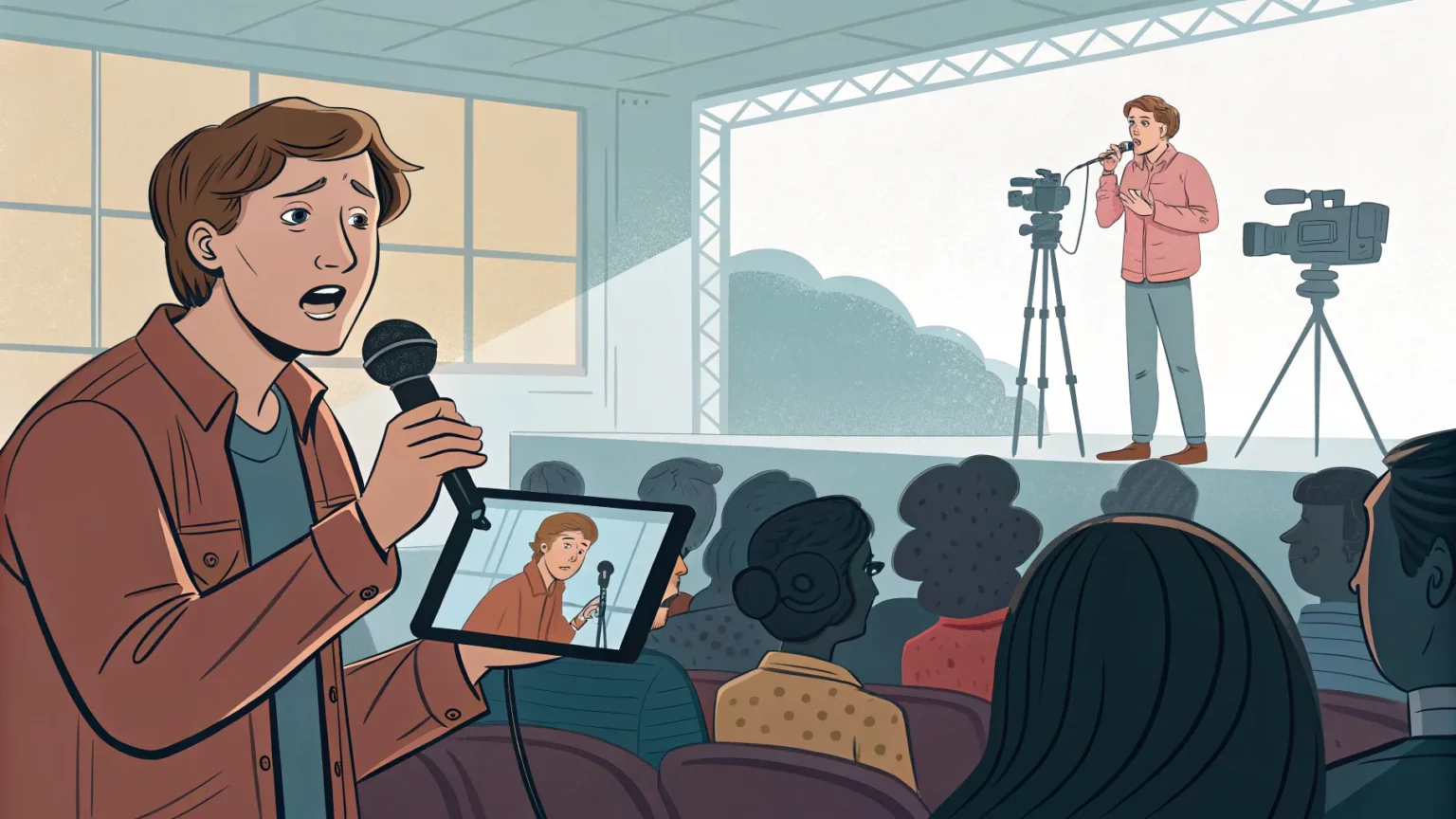
A warning from a media insider has revived debate over the future of online work. The speaker said he is worried about the fate of “millions of creators” once AI-generated videos match the quality of traditional production. The concern comes as major tech firms race to release tools that turn text prompts into realistic clips, accelerating change across film, advertising, and social media.
The core issue is simple. If automated systems can produce convincing footage in seconds, where does that leave people who rely on video for income? The comment landed as platforms and studios weigh new rules, labels, and contracts for AI-assisted work.
Background: AI Video Hits a Turning Point
Over the last year, several companies have shown off models that generate short, detailed videos from plain-language prompts. Demos feature moving cameras, realistic lighting, and complex scenes. Some tools can imitate styles or stitch together multiple shots. While not perfect, the clips improve month by month.
Studios and creators are already using AI to draft storyboards, fill backgrounds, and clean audio. Music and image generators moved first. Video is catching up. The leap from “good enough” to “indistinguishable” now feels close to many in the industry.
Online creators number in the millions across major platforms. Their work ranges from short-form entertainment to education and product reviews. Many depend on ads, sponsorships, and platform payouts. Even small shifts in reach or costs can change careers.
The Warning
“He says he’s worried about what will happen to millions of creators when AI videos are as good as normal ones.”
The fear is not only about competition. It is about speed, scale, and control. If a brand can ask a model for 50 versions of an ad in one afternoon, production timelines shrink. Budgets could shift away from independent teams and freelancers who built the online video boom.
What Could Change for Creators
Automated video may first squeeze lower-budget work. Stock footage, basic promos, and template content are the most exposed. Agencies can swap routine shoots for synthetic alternatives. That could reduce entry-level jobs that often serve as training grounds.
On the other hand, new roles may open. Prompt writing, AI editing, style supervision, and compliance checks are emerging tasks. Creators who mix personal storytelling with AI tools could raise output without adding staff. Unique on-camera voices and trusted brands may keep their edge.



- Routine tasks face the highest automation risk.
- Audience trust and personality remain hard to copy.
- New skills in AI direction and verification gain value.
Industry Response and Policy Ideas
Platforms are testing content labels for AI-generated media. Some are building detection systems and disclosure rules. Advertisers ask for clearer rights around likenesses, voices, and training data. Unions and creator groups push for consent and pay when models learn from their work.
Lawmakers in several countries are drafting rules on deepfakes, impersonation, and copyright. Proposals include watermarking standards, consent for voice and face cloning, and revenue sharing when models replicate a creator’s style. Enforcement remains a challenge.
Economic Outlook
Analysts expect AI to lower production costs and increase the volume of video. That shift could benefit platforms through more content and ad inventory. It could also compress rates for sponsored posts and editing services as supply grows.
However, the value of trust may rise. Brands often pay for authenticity and niche reach. Creators with loyal communities can still command premiums. Education, live interaction, and behind-the-scenes formats may resist automation longer.
What Experts Say
Technologists argue that AI is a tool, not a replacement for human taste. They point to hybrid workflows that keep creators in charge. Some producers see faster iteration and more creative testing as a net gain. Skeptics counter that the speed advantage will favor well-funded teams, widening gaps.
Ethicists warn about consent and misinformation. Look-alike videos and synthetic endorsements risk confusing audiences. Clear labels and penalties for deceptive use will matter as quality improves.
Signals to Watch
Key indicators will show how far the shift goes:
- Platform policies on disclosure, labeling, and revenue sharing.
- Ad spending trends for AI-produced spots versus human shoots.
- Union contracts and creator agreements that define AI use.
- Audience reaction to synthetic personalities and storytelling.
The warning about “millions of creators” reflects a growing worry as AI video edges closer to standard production quality. The next year will test whether new rules, new jobs, and audience trust can balance the pressure. Creators who adapt their voice, adopt smart tools, and demand clear rights may hold their ground, even as the cameras change.