




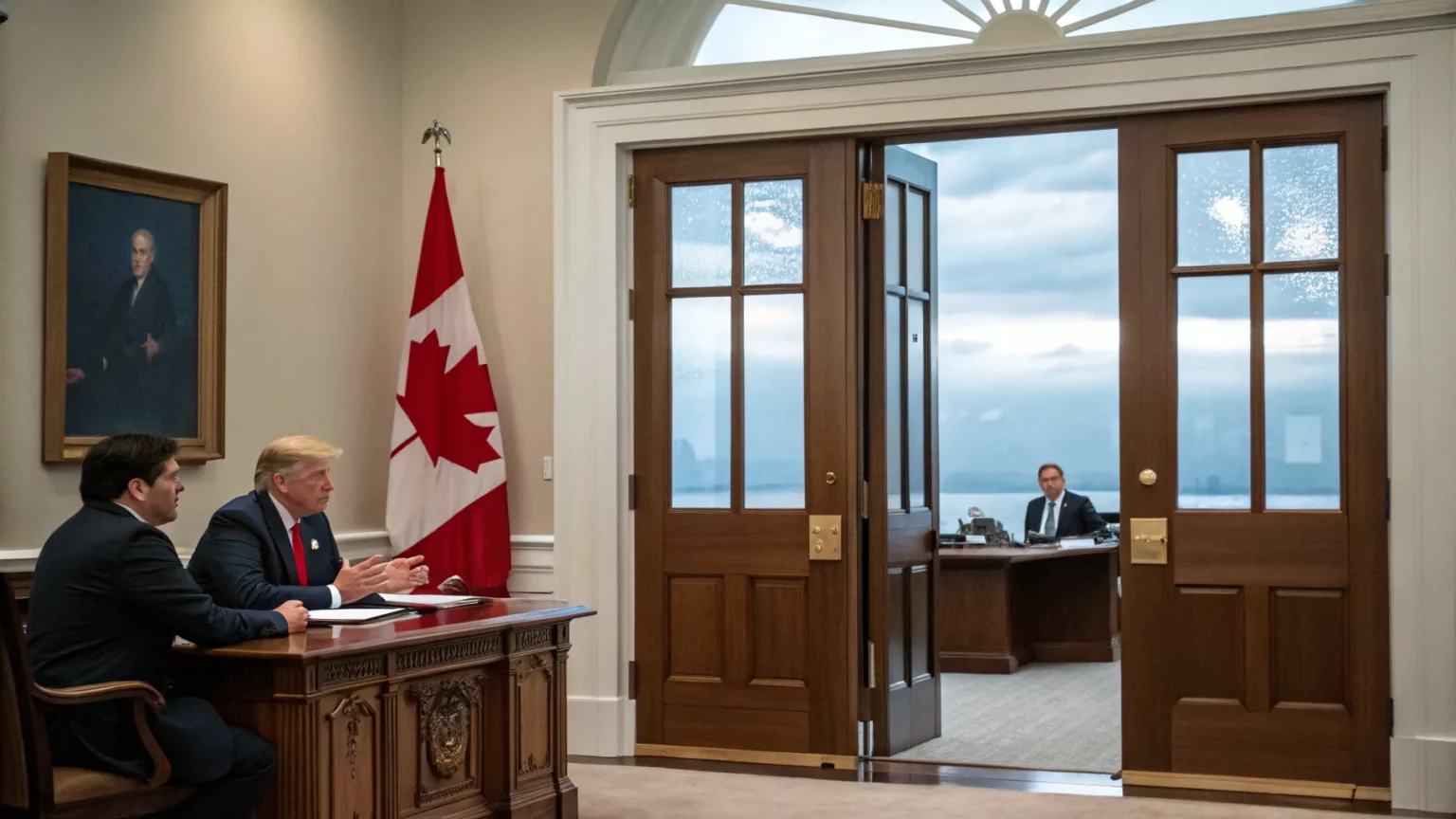
President Donald Trump halted trade talks with Canada after criticizing a “fake” political ad that used edited lines from Ronald Reagan’s anti-tariff speech. The Ronald Reagan Presidential Foundation & Institute also objected, saying the ad misrepresented the 40th president’s words. The move injects fresh uncertainty into cross-border negotiations and revives old debates over trade, messaging, and the Reagan legacy.
Background: Trade Tensions and Political Messaging
U.S.-Canada trade ties have been through repeated cycles of friction and cooperation. Disputes over tariffs and market access have flared across sectors such as steel, aluminum, lumber, and dairy. Negotiations have often run parallel to fierce political messaging at home.
Reagan’s stance on open markets is often cited in modern debates. His speeches warned against protectionist policies and endorsed competition. Political groups regularly reference Reagan to lend historical weight to current arguments, sometimes drawing objections from his family or the institutions that guard his legacy.
What Sparked the Suspension
Trump tied the decision to an ad that used Reagan’s anti-tariff rhetoric in a way he said was misleading. He labeled the spot “fake,” accusing its producers of distorting the former president’s intent. The Reagan Foundation echoed the concern, saying the material did not reflect Reagan’s full message.
President Donald Trump called the ad “fake,” criticizing its use of Reagan’s anti-tariff speech.
The Ronald Reagan Presidential Foundation & Institute said the ad “misrepresented the former president’s words.”
Neither comment offered granular details of the edits, but both pointed to a selective presentation that cut against the late president’s broader trade views.
Reagan’s Trade Record and Why It Matters
Reagan advocated lower trade barriers but also applied targeted measures when he viewed them as necessary. Supporters use that history to argue for balanced enforcement. Critics of tariffs cite his broader preference for open markets. The debate shows how selective clips can color public understanding of a long record.
Using Reagan in modern trade fights carries risk. Historians and institutions are quick to challenge distortions, especially when quotes are pulled from longer remarks about reciprocity, negotiation, and the limits of protection.
Reactions and Potential Impact on Talks
Trade analysts warned that canceling talks over a political message could delay practical outcomes. Business groups on both sides of the border often push for stable rules and clarity on tariffs and supply chains. They fear that political disputes can spill into market uncertainty.



Canadian officials did not immediately respond to the latest development, but Ottawa has traditionally sought steady engagement regardless of political flare-ups. Past disputes have ended with compromise after periods of tension.
- Exporters face planning risks when negotiations stall.
- Supply chains may adjust if tariff threats rise.
- Consumers can see price changes if costs increase.
What the Ad Fight Reveals
The clash shows how campaign-style messaging can influence policy moves. It also highlights the value placed on Reagan’s legacy within conservative politics. When an institution charged with protecting that legacy objects, it can shift the debate’s tone.
For Trump, calling the ad “fake” framed the issue as one of honesty and ideological fidelity. For the Reagan Foundation, it was about accurate representation. Both positions hinge on public trust in quotes and historical references.
What to Watch Next
Attention will turn to whether the talks resume after the ad controversy fades. Market watchers will look for signs of progress on tariff issues and sector-specific rules. Lawmakers could press for hearings or statements if delays threaten key industries.
If dialogue restarts, both sides may try to narrow the agenda to trade mechanics and move political messaging off center stage. If the pause holds, companies may seek contingency plans for sourcing and pricing as they plan for the months ahead.
Trump’s decision links policy to a dispute over historical messaging, a rare trigger for trade action. The outcome now depends on whether negotiators can separate a charged ad fight from practical compromises. The core test is whether the two countries can restore focus on predictable rules and keep political theater from steering trade policy.