




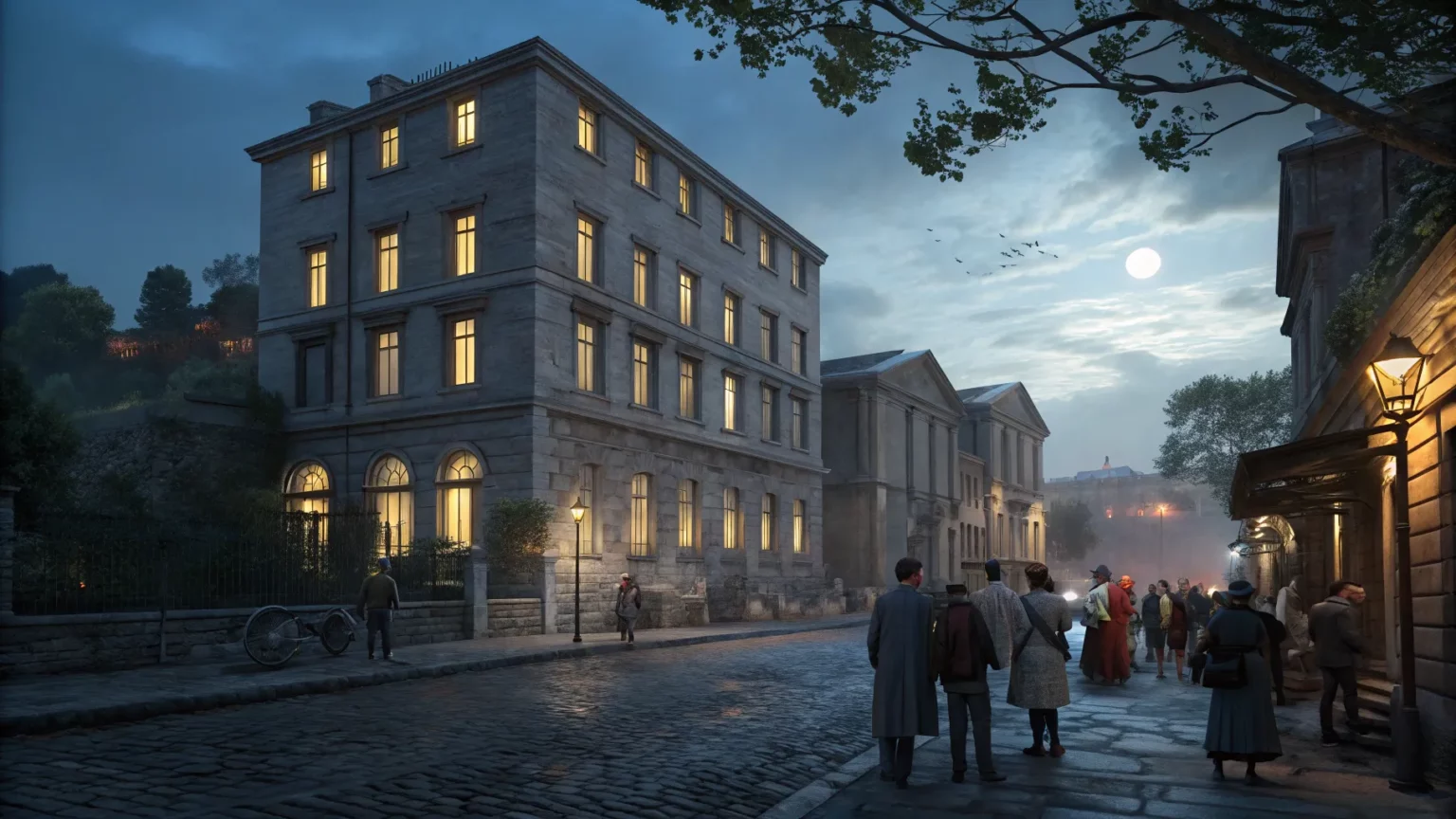
As travel rebounds and guests seek memorable nights out, hotels and tour operators are turning to haunted history. Across historic districts and rural inns, ghost tours are filling evening schedules, driving bookings, and sparking debate over how to tell the past. The push is most visible from late summer through Halloween season, but year-round demand is growing in cities with famous old quarters.
Operators say the appeal is simple: a guided walk or on-site tour gives guests a story to carry home. Critics ask whether tragedy is being packaged as entertainment. The discussion is prompting new standards for research, safety, and tone.
A Booming Niche in Tourism
Ghost tours have long been a fixture in cities like Savannah, New Orleans, Edinburgh, and York. Hotels now bundle them with stays, dining credits, and late checkouts. These packages help fill weekday nights and shoulder seasons. They also market historic properties that might lack modern amenities, but excel at storytelling.
“The hospitality industry loves to leverage history for ghost tours.”
That refrain sums up the trend. In interviews at travel trade shows this year, hoteliers described increased interest from small groups, wedding parties, and corporate off-sites. Many guests want low-cost, walkable activities near their rooms.
How Hotels Package the Past
Historic sites offer a ready script, from former hospitals to Prohibition bars. Managers add night tours, lobby exhibits, or themed cocktails named for local legends. Some bring in trained guides and historians. Others partner with tour companies to start walks from the hotel lobby, keeping guests on property before and after.
- Curated routes through nearby landmarks.
- Story-focused tours that avoid jump scares.
- Room keys tied to a floor’s folklore.
- QR codes linking to primary sources.
Operators say documentation matters. Original maps, letters, and news clippings help separate legend from fact. Guests reward credible tours with better reviews and repeat visits.
Ethics and Authenticity
Historians warn that careless scripts can trivialize real suffering. Sites linked to war, slavery, or epidemics require care and context. Several guides now open with a note on sources and a reminder to treat locations with respect. Some donate a share of revenue to preservation groups or museums.
Tour leaders also face questions about paranormal claims. Many strike a balance. They present stories as folklore, cite witness accounts, and invite guests to decide for themselves. Clear labeling helps: a “history-first” tour signals education and restraint, while a “paranormal investigation” acknowledges a different goal.


Safety, Training, and Accessibility
Night tours raise practical issues. Crowds on narrow sidewalks, steps in dim alleys, and uneven cobblestones can cause injuries. Responsible operators cap group sizes, add reflective identifiers, and plan accessible routes. Hotels are adding disclaimers and offering alternate stops for guests with mobility needs.
Training has improved. Guides practice voice projection, consent for photo stops, and protocols for emergencies. Some properties require background checks and carry insurance specific to tours.
Market Signals and What Comes Next
Demand spikes in October, but weekend bookings now hold through spring and summer. Social media posts of historic stairwells and creaking halls help, especially on short videos. Properties with verified stories and atmospheric design stand out online.
Analysts see two clear trends shaping the next year. First, hotels will formalize partnerships with local historians to strengthen accuracy. Second, more tours will add daytime history walks for families, with nighttime paranormal options for adults.
Technology is joining the mix. Audio guides with GPS triggers let guests explore on their own. Augmented overlays can show past floorplans or period photos without staging jump scares. These tools reduce staffing costs while keeping control of the story.
Ghost tours are not a passing fad. They offer hotels a steady way to animate old buildings and streets, but they bring responsibility. The most successful programs treat people and places with care, cite sources, and make safety part of the show. As more properties enter the space, watch for clearer labels, stronger research, and a wider range of experiences that respect history while giving guests a memorable night.