




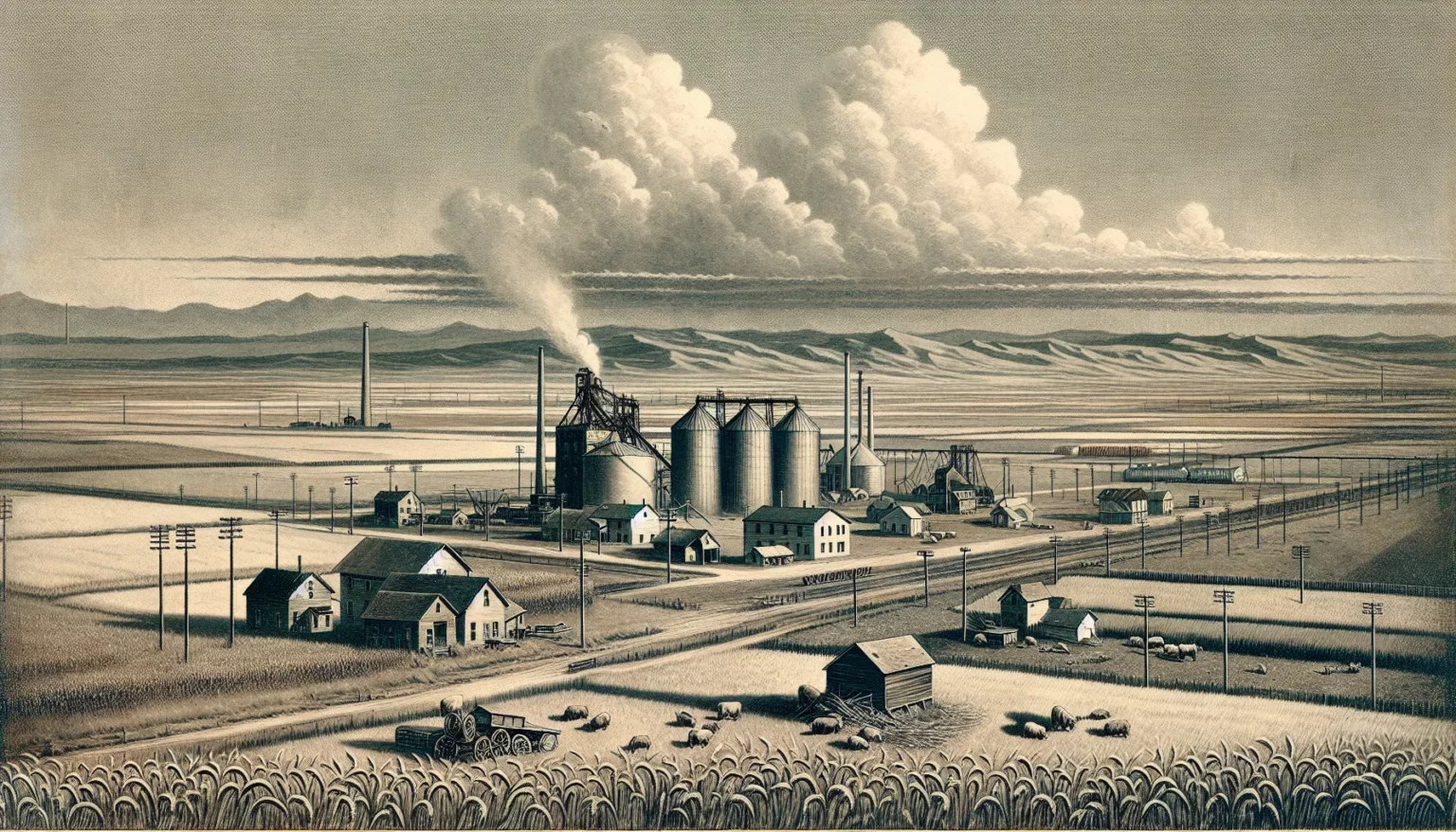
A sudden rush to pull cash from rural lenders wiped out roughly $10 billion in deposits across parts of the American prairie, rattling farm towns and grain hubs. The scramble unfolded over days as concerns about interest-rate risk, uninsured accounts, and concentrated loan books sparked fear in communities tied to crops, cattle, and energy. Regulators stepped in, boards convened, and merchants delayed payments while families watched balances shrink. The episode offers a blunt reminder of how fragile confidence can be in thinly populated regions where one bank often serves an entire county.
How a Local Jolt Became a Regional Scare
Rural banks carry a unique mix of deposits and loans. Many depend on seasonal inflows from harvest, livestock sales, and federal farm programs. Those funds can be large and short-term. When interest rates climbed at the fastest pace in decades, bank bond holdings declined in value. That left some lenders exposed if depositors demanded cash at once.
Word of balance-sheet stress spread quickly through close-knit networks. Grain buyers warned co-ops to stagger settlements. Feedlots asked for wire confirmations. School districts and county treasurers checked insurance limits. A few bad headlines were enough to push anxious customers to mobile apps and teller windows.
History shows how this happens. The farm crisis of the 1980s shuttered hundreds of rural banks. More recently, high-profile runs at niche lenders showed how uninsured deposits can move in hours. The prairie scare followed a similar arc, only in smaller towns with fewer backstops.
Who Was Hit and Why It Mattered
The impact fell hardest on places where a single bank anchors credit for grain elevators, equipment dealers, and trucking firms. When deposits fled, banks sold securities at a loss or borrowed at higher costs to meet withdrawals. That strained net interest margins and curbed lending capacity right before spring planting and summer construction.
Farmers faced delayed operating loans. Co-ops slowed payments on grain. Small hospitals and schools reviewed payroll timing. Even businesses with solid finances paused expansion plans. The concern was not only failure risk, but the squeeze on working capital in a critical season.
What the Panic Revealed About Risk
The episode highlighted three pressure points that regulators and boards will watch more closely.
- Interest-rate exposure: Unrealized losses on long-duration bonds can turn into real losses if deposits run.
- Deposit concentration: A few large, uninsured accounts can leave quickly and in sync.
- Communication gaps: Silence fuels fear; timely, clear updates can slow a run.
Banks with diverse funding and ample on-balance-sheet liquidity fared better. Those with contingent lines and pre-arranged collateral moved faster to meet outflows without forced sales. Many lenders said daily stress tests and public FAQs helped ease panic.



Policy Options and Industry Response
State and federal officials debated targeted steps to steady confidence without encouraging risky behavior. Options included faster access to discount-window funding, streamlined pledging of collateral, and clearer disclosures on insured versus uninsured accounts in account statements. Some trade groups pushed for higher insurance limits for public entities and farm businesses during peak cash periods.
Supervisors urged tighter interest-rate risk management, shorter asset duration, and more frequent liquidity drills. Boards were encouraged to model deposit flight in rural settings, where social ties and shared employers can amplify withdrawals.
Signals to Watch Across the Heartland
Key indicators will show whether stress has passed or may return:
- Deposit trends at community and regional banks serving farm counties.
- Loan growth in operating lines ahead of harvest and fall cattle sales.
- Use of emergency funding facilities and the cost of wholesale funds.
- Consolidation activity where weaker lenders seek buyers.
If deposit costs remain high, banks may tighten credit, hitting equipment purchases and rural construction. That could slow job growth and reduce local tax receipts.
Lessons for Banks, Businesses, and Households
The central lesson is simple. Confidence is capital. Rural lenders need clear playbooks and plain-language communication. Businesses need contingency plans and multiple banking relationships. Households should check insurance coverage and keep emergency funds accessible.
Practical steps stand out:
- Shorten asset duration and keep a liquidity buffer that assumes fast, correlated withdrawals.
- Map uninsured deposits by sector and client, not just totals.
- Publish regular updates on liquidity and insurance coverage during stress.
The prairie panic ended with more questions than failures, but the warning was loud. Higher rates may linger, and depositors have faster tools to move money. Rural banks that fortify liquidity, shorten risk, and communicate early will be better placed for the next shock. For farm towns heading into another harvest, the watchwords are prudence, transparency, and speed.