




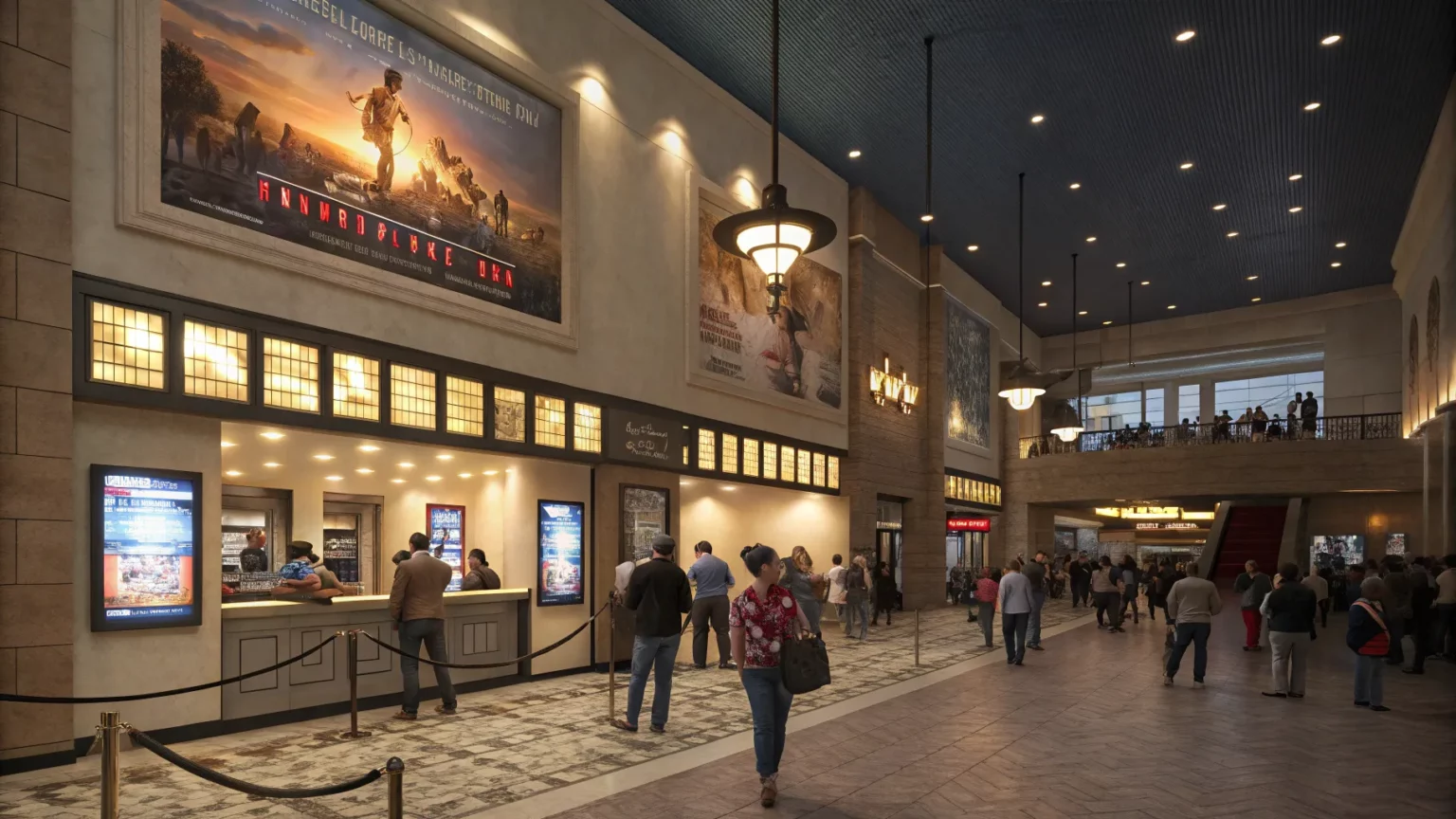
Big-screen hits roared back this year, signaling that the couch did not claim a final victory over the cinema. After years of pandemic pivots and home-streaming experiments, audiences showed up for shared, in-person moviegoing—especially when the films felt like true events.
The story spans studio lots and local multiplexes across the United States and abroad. The timing follows a choppy recovery after lockdowns, when studios tested shortened release windows and day-and-date drops. The motive now is clear: theaters still drive cultural moments and significant revenue when the right titles and formats line up.
“This year’s box-office hits proved that the streaming stopgaps we’d used while trapped at home during the lockdown would not be the complete end of theatrical film exhibitions.”
From Lockdown Habits to Event Nights Out
During 2020 and 2021, studios shifted to streaming to keep content flowing. Warner Bros. sent its 2021 slate to HBO Max the same day as theaters. Disney funneled several titles to Disney+, sometimes with premium surcharges. It looked, for a time, like moviegoing might be an endangered pastime.
Then came a run of films that reminded people why a crowd matters. “Top Gun: Maverick” lifted spirits and grosses in 2022. The “Barbenheimer” double feature in 2023 was a cultural event and a financial one. In 2024, “Dune: Part Two” and “Godzilla x Kong: The New Empire” reinforced the momentum, while the Taylor Swift concert film turned theaters into stadiums for a night.
Domestic box-office revenue, which hit roughly $11.4 billion in 2019, fell sharply during the pandemic. It recovered to near $9 billion in 2023, according to industry tracking, even as 2024 cooled because of strike-related delays. The signal, however, is steady: the right movies still fill seats.
What Changed—and What Didn’t
Audience routines evolved, but core motivations held. People will leave home for a movie that feels special, looks spectacular, or begs to be discussed the next day.
- Premium screens matter: IMAX and other large formats have taken an outsized share of opening weekends.
- Windows are back: a 30–45 day theatrical run is now common, restoring urgency without dragging the wait.
- Concerts and “specials” work: live events and reissues can spark new revenue between tentpoles.
Theaters, for their part, leaned into subscriptions and perks. Programs like AMC Stubs A‑List and Regal Unlimited smoothed demand and encouraged frequent visits. Upgrades to recliners, sound, and food helped make the trip feel like an occasion, not an errand.
Studios Rethink Streaming-First Bets
The streaming boom brought subscribers, but also steep costs and churn. As growth slowed in 2022 and 2023, studios recalibrated. Theatrical runs now serve as splashy launchpads that can lift later streaming performance and licensing value.


Executives say the math is shifting back to balance. The brand impact of a wide theatrical release—and the free marketing from packed houses—can dwarf a quiet streaming drop. Films that land with force in theaters often see stronger second lives at home.
The Audience POV: Why People Returned
Fans cite three simple reasons. First, spectacle: large-scale visuals and sound hit harder in a theater. Second, community: laughing, gasping, and clapping with others turns a night out into a memory. Third, conversation: movies that dominate social feeds are more fun when seen on opening week.
That doesn’t erase streaming’s place. Family rewatches, mid-tier comedies, and niche dramas can thrive at home. But the big, talkable titles still benefit from a crowd, and viewers appear to know the difference.
What’s Next: A Tighter, Smarter Slate
The pipeline is still healing after the strikes. Fewer releases in 2024 exposed soft spots in the calendar. Studios are trimming volumes and aiming for fewer, stronger bets, including gaming and toy adaptations with built-in fans.
If the last two years taught Hollywood anything, it’s this: the format should fit the film. Mid-budget thrillers may find their audience faster online. But the next “Barbie” or “Oppenheimer” needs the drumbeat and the big room.
Theaters aren’t guaranteed a victory lap. Ticket prices, streaming bundles, and household budgets will keep tugging at choices. Still, the clearest takeaway from this year’s winners is refreshingly simple: make a movie people can’t wait to see with others, and they will.
Expect a sturdier 2025 slate as delayed productions land. Watch the share of premium formats, the health of subscription programs, and any wobbles in release windows. For now, the marquee still matters—and the crowd is back to prove it.