




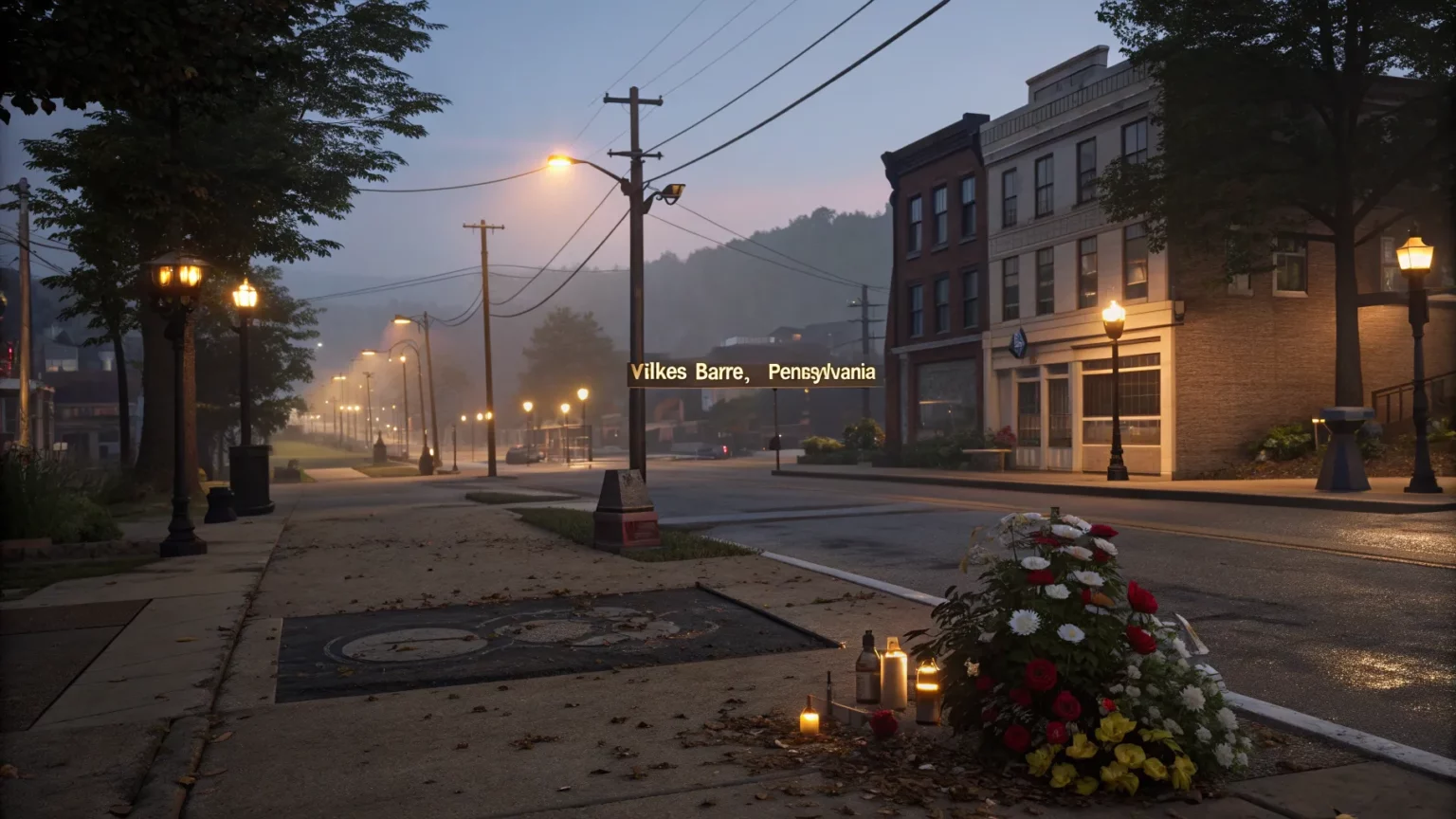
More than four decades after a mass shooting in Wilkes-Barre, Pennsylvania, the case of a man identified as Banks continues to weigh on the community and shape debates over punishment, public safety, and memory. In 1982, the rampage left 13 people dead and one wounded, including members of the shooter’s own family. Banks has remained in prison ever since.
The killings shocked the region and sent ripples across the state. Survivors and families still mark anniversaries with grief and questions. Legal experts cite the case when discussing long sentences, parole, and how communities process trauma after mass violence.
The 1982 Rampage
Authorities at the time described a sudden attack that cut across households and neighborhoods. The rampage left 14 people shot and 13 dead, a toll that stunned a city then known more for coal heritage and tight-knit blocks than for violent crime.
“Banks had been in prison since 1982 after shooting 14 people and killing 13, including his own children, during a rampage in Wilkes-Barre.”
Police records from the period, widely reported by local outlets, recounted a quick, chaotic response as officers moved to secure multiple scenes. Court proceedings led to a sentence that has kept Banks behind bars for decades.
A Community Remembers
Residents who lived through the events describe the days that followed as quiet and tense. Memorial services filled churches and community centers. Counselors worked with families and neighbors long after the headlines faded.
Local leaders have used commemorations to honor the dead and stress the need for prevention. Faith groups hold vigils, and victims’ relatives speak about how sudden violence reshapes lives. Teachers and counselors still use the story to talk about grief and resilience with younger generations.
Debates Over Sentencing and Public Safety
The case remains a reference point when lawmakers and advocates discuss the aims of punishment. Some argue that a crime of such scale and cruelty demands a lifetime behind bars. Others focus on public safety, noting that long sentences remove dangerous offenders from the streets.
There is also a recurring debate about parole eligibility in cases that date back many years. Legal scholars note that parole decisions must weigh the nature of the crime, any record of rehabilitation, and the views of victims’ families. In high-profile cases, community opinion can make those decisions even harder.



- Families often call for sentences that reflect the loss of life.
- Public defenders and reform advocates stress review processes based on risk and rehabilitation.
- Officials balance victim impact statements with statutory requirements.
Mental Health and Warning Signs
The shooting also raised questions about warning signs and access to help. Community health workers say the case underscores the need for early intervention, clear reporting channels, and support for families in crisis.
Experts add that neighbors, employers, and relatives often see small signals but do not know where to turn. Training on how to respond, they argue, can create a path to care before threats turn to violence. Schools and clinics in many cities now run programs focused on crisis screening and rapid referrals.
Media Coverage and Memory
Local newsrooms covered the 1982 killings for weeks, and anniversary pieces still appear. Editors often revisit the case to explore how law enforcement protocols, emergency response, and victim support have changed since then. Advocates say careful reporting helps communities remember without sensationalism.
Survivors frequently ask that coverage highlight the names and stories of those who died. They stress that empathy should center on families, not the shooter. Community groups have organized reading lists, exhibits, and panels to keep the focus on remembrance and healing.
What Endures
The Wilkes-Barre rampage remains one of the region’s darkest chapters. Banks is still incarcerated, and the case continues to guide discussions on sentencing, safety, and support for survivors. It also reminds policymakers that prevention requires steady work, long after a case leaves the front page.
Advocates say progress looks like more accessible mental health care, strong crisis lines, and clear paths for families to seek help. Lawmakers point to the need for predictable parole rules and careful victim engagement. As the community looks ahead, residents say they will keep honoring those lost and push for systems that reduce the chance of similar tragedies.