



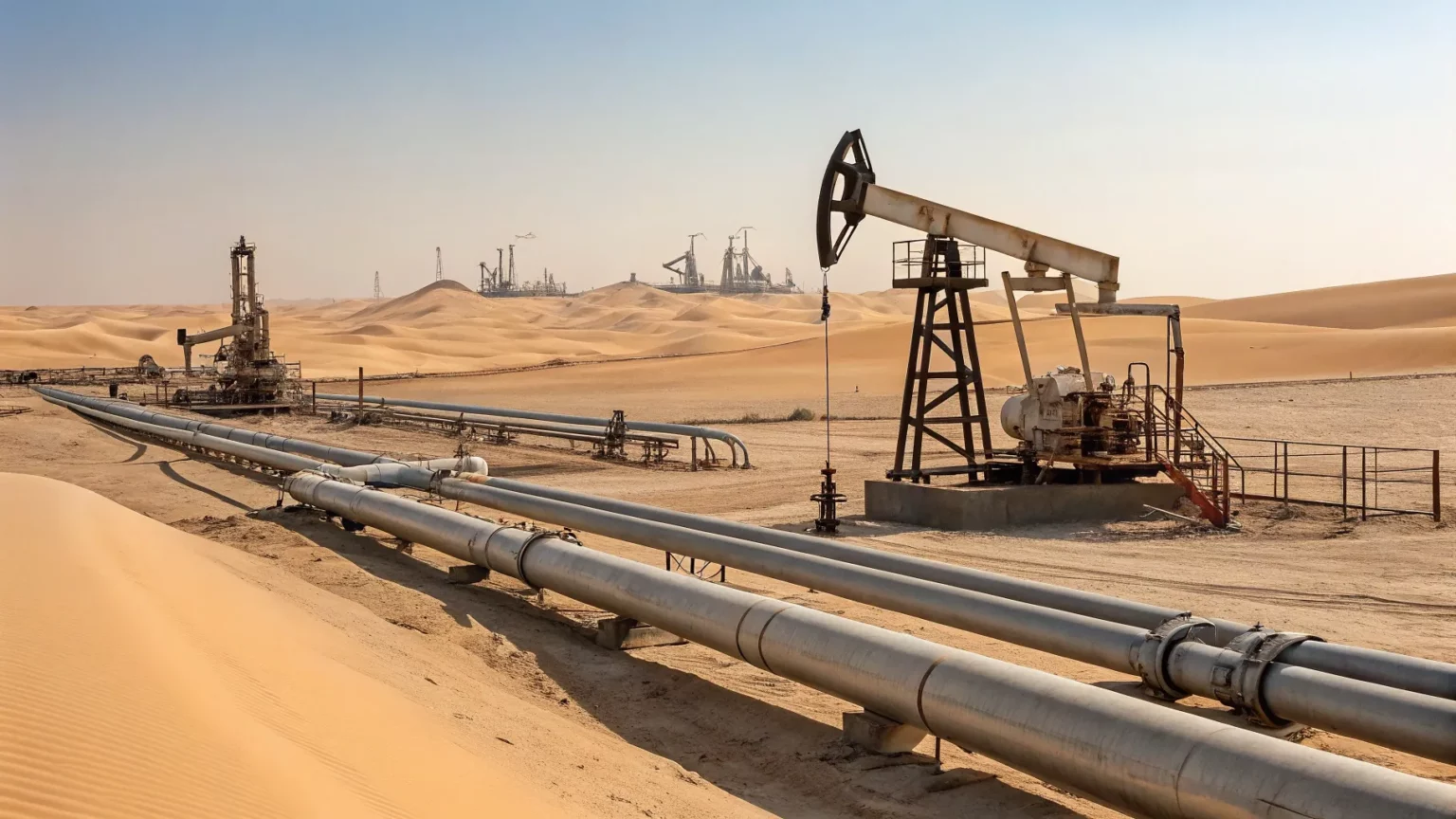
Lukoil PJSC has declared force majeure on oil shipments from the West Qurna 2 field in southern Iraq, according to a person with knowledge of the situation.
The decision affects one of Iraq’s largest producing assets and raises questions for near-term exports through the Persian Gulf.
The move signals interruptions to contracted deliveries and adds fresh uncertainty to regional supply at a sensitive time for global energy markets.
“Russia’s Lukoil PJSC declared force majeure on oil shipments from its giant West Qurna 2 field in Iraq,” a person with knowledge said.
Background on West Qurna 2
West Qurna 2 sits in Basra province and is among Iraq’s most important oil fields.
Lukoil operates the project with Iraq’s state partner under a technical service model.
Public data in recent years has placed output from West Qurna 2 in the hundreds of thousands of barrels per day.
Iraq relies on Basra-area fields like West Qurna to meet budget needs and OPEC+ commitments.
Any disruption at this scale can affect Iraq’s export program and cash flow.

What Force Majeure Means
A force majeure notice signals that a company cannot meet certain obligations due to events outside its control.
It can cover logistics, security, weather, or operational incidents, depending on contract terms.
Such notices typically allow shipment delays or cancellations without penalties.
They also trigger talks with buyers on revised schedules and volumes.
Immediate Implications for Buyers and Iraq
Traders and refiners that lift Iraqi grades from the Gulf could face delayed cargoes or changes in loading windows.
Market participants will watch for any adjustments to Basra crude allocations and official selling programs.
- Potential rescheduling of cargoes tied to West Qurna 2 production.
- Short-term tightness in specific Iraqi grades if volumes are curtailed.
- Increased freight and replacement costs for buyers seeking alternate barrels.
For Iraq, sustained disruption could complicate revenue planning and targets under OPEC+ agreements.
The scale and duration of the force majeure will determine the broader impact.
Market Reaction and Risk Factors
Oil prices often react to supply headlines from the Middle East, especially when key fields are involved.
Traders will look for signals from Iraqi authorities and Lukoil on the cause, timeline, and mitigation steps.
If alternative fields or storage can backfill shortfalls, the price effect may be limited.
Extended outages, however, can add to risk premiums and volatility.
Insurance and shipping terms could also tighten if operational risks appear elevated.
Operational and Contractual Questions
Key questions now include how much production is affected and for how long.
Buyers will seek clarity on nomination changes, quality specs, and demurrage exposure.
Contract terms often vary by counterparty, which can shape the path of resolution.
Any maintenance, security, or infrastructure issues will be in focus for near-term planning.
What to Watch Next
Market participants will watch for statements from Lukoil and Iraq’s oil authorities on the status at West Qurna 2.
Loading programs from Basra terminals will offer clues on export continuity.
Analysts will track shipping data, refinery runs, and spreads for Iraqi grades to gauge tightness.
Any signs of a quick resolution would ease concerns and steady flows.
Lukoil’s force majeure notice adds a new variable to Iraqi supply at a key producing hub.
The outcome hinges on the cause, the repair timeline, and how quickly buyers can adapt.
Clarity on volumes and schedules will shape the market response in the days ahead.