




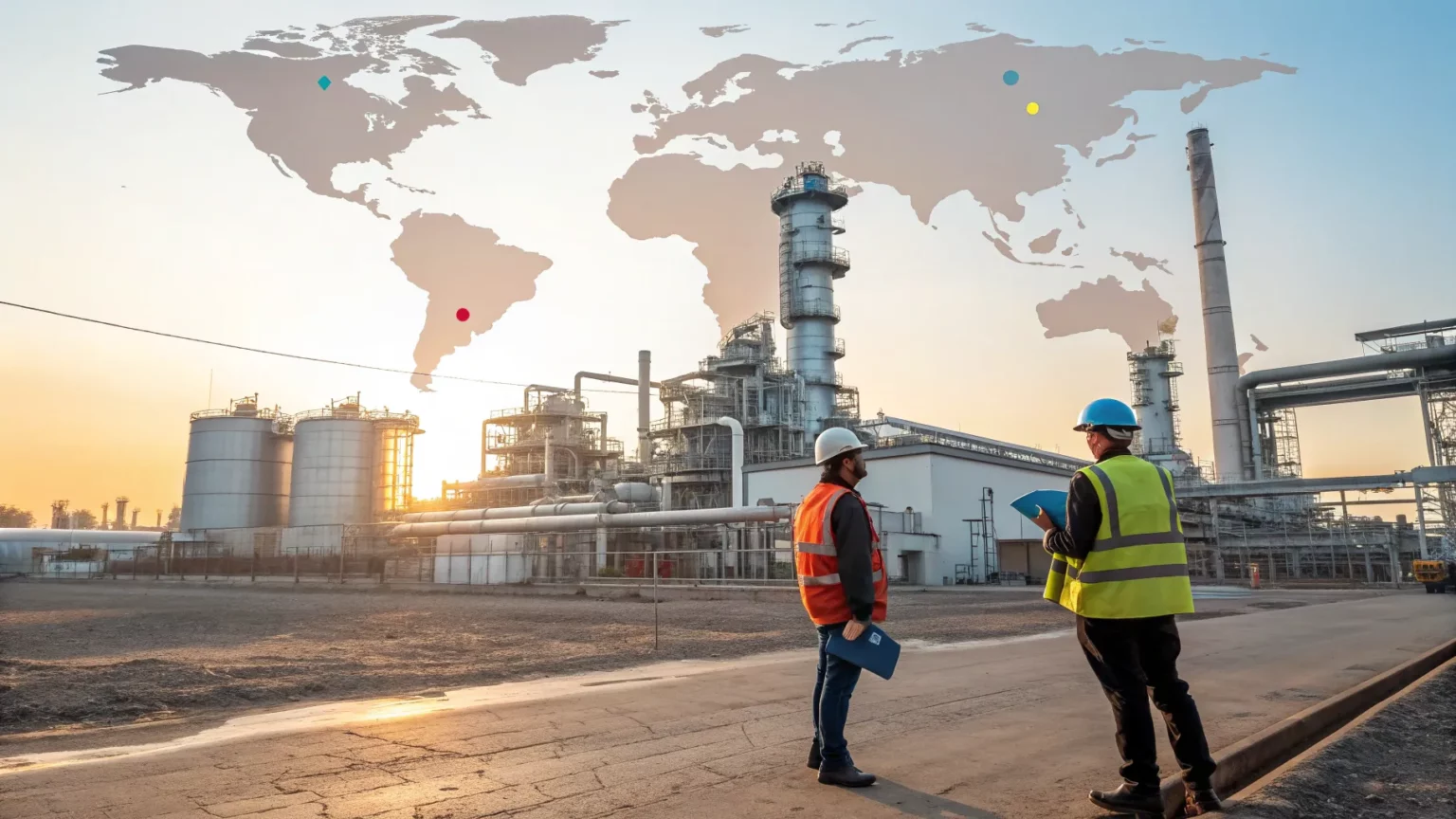
Western governments plan to step up efforts in 2026 to reduce their reliance on rare earth materials from China, signaling a faster shift in supply chains. The move reflects growing concerns over security, costs, and the risk of export controls disrupting key industries. Officials and industry leaders are preparing for new investments, tighter rules, and deeper partnerships with allied producers across North America, Europe, and the Pacific.
“In 2026 Western efforts to reduce dependence on rare earths from China will intensify.”
Rare earths are essential for electric vehicles, wind turbines, defense systems, smartphones, and medical devices. China dominates processing and magnet production, giving it strong leverage over prices and supply. Western buyers want new options before the next supply shock.
Why Dependence Became a Strategic Risk
China controls a large share of rare earth processing, estimated at 80 to 90 percent. It also produces the bulk of high-strength magnets used in motors and generators. That bottleneck has worried officials for years.
A flashpoint came in 2010, when rare earth shipments to Japan were disrupted after a diplomatic dispute. More recent export permit rules on gallium, germanium, and graphite reminded buyers how fragile mineral trade can be.
In response, the European Union approved the Critical Raw Materials Act, setting targets to build local capacity by 2030. The United States used the Defense Production Act and tax incentives to reopen supply lines and back new plants. Australia and Canada have funded exploration and processing projects to supply allied economies.
What “Intensify” Looks Like in 2026
Officials and executives describe a broad plan that mixes mining, processing, recycling, and research into magnet substitutes. The approach aims to spread risk and build resilience step by step.
- New processing plants in the U.S. and Europe to cut reliance on Chinese refineries.
- Supply deals with Australia, Canada, and African producers to diversify feedstock.
- Magnet production in friendly countries to close a key gap in the chain.
- Recycling programs to capture neodymium, praseodymium, dysprosium, and terbium from old motors.
- Research into magnet-free motors for some vehicle segments.
Companies such as MP Materials in California and Lynas in Australia are central to these plans. Both have expanded mining and processing aimed at the U.S. and Asian markets outside China. European manufacturers are also testing regional magnet lines to support automakers and wind projects.
Costs, Timelines, and Environmental Trade-Offs
Rebuilding supply chains is expensive and slow. New mines can take a decade to permit and build. Processing plants face strict environmental rules and high energy costs. Recycling helps, but current volumes cannot meet demand from fast-growing sectors like EVs and offshore wind.



Analysts warn that prices may rise as projects scale up. Western producers often have higher operating costs than Chinese competitors. Some automakers are redesigning motors to use fewer heavy rare earths, which could ease pressure if those designs succeed at scale.
Environmental standards are another factor. Communities near proposed mines want tighter safeguards on water and waste. Policymakers argue that cleaner domestic production is worth the higher cost if it reduces both risk and pollution leakage.
Industry Impact and Strategic Stakes
Automakers are racing to secure magnet supply through 2030. Wind farm developers need a predictable flow of materials to lock in project financing. Defense agencies seek assured access for guidance systems and advanced sensors.
Western officials say diversification is an insurance policy. Even partial shifts in processing and magnet production could limit shocks from export restrictions or geopolitical disputes. The aim is not to end trade with China, but to cut single-point failure.
Investors are watching for clear signals: long-term purchase contracts, public funding for processing capacity, and steady progress on permits. Without these, projects may stall before reaching scale.
What to Watch Through 2026
Several markers will show whether efforts are gaining traction.
- Commissioning of new processing plants in the U.S. and EU.
- Announcements of regional magnet factories tied to automakers.
- Government funding rounds under U.S. and EU programs.
- Recycling output targets and commercial contracts.
- Any new export controls that tighten supply further.
If these milestones hold, Western buyers could secure a larger share of supply from allied sources by the late 2020s. If they slip, dependence will persist and price swings may return.
The forecast for 2026 points to a decisive push on rare earth security. The next two years will test whether policy, permits, and private capital can align. Success would ease a major supply risk for clean energy, transportation, and defense. Failure would leave key industries vulnerable to the next shock.