




Director Ivo van Hove has returned to Arthur Miller with a vision that pushes the playwright’s critique of the American Dream into stark, mythic territory. Premiering this week in a major city theater, the staging marks the director’s third pass at Miller and arrives with strong expectations and sharp debate. The work leans into fate, guilt, and family duty, while asking why prosperity still slips through the hands of those chasing it.
Director Ivo van Hove’s third Miller production raises the playwright’s rebuttal of the American Dream to something akin to Greek tragedy.
A Director With a Stark Vision
Van Hove is known for stripped stages, live video, and a focus on raw emotion. His earlier Miller productions on big stages—marked by bare sets and relentless pacing—won praise and stirred arguments. Admirers say his style burns away nostalgia and forces audiences to face the cost of ambition. Skeptics argue the austerity can drain warmth from characters who are already battered by fate.
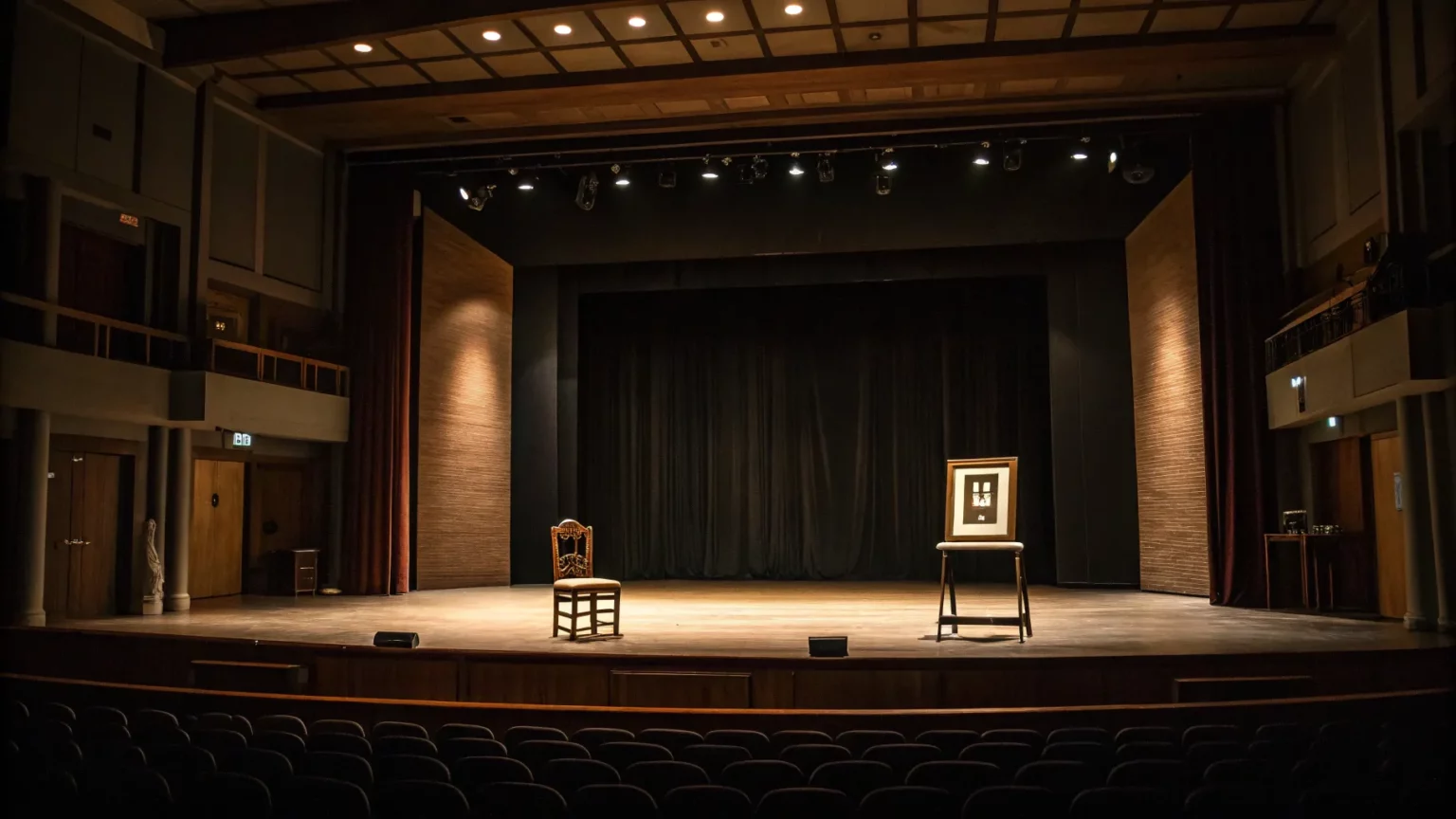
Here, he doubles down. The design is minimal. The lighting isolates characters like figures in a moral trial. The score throbs at key moments, then falls silent, letting the actors’ breath do the work. The result feels ritualistic, as if each choice is a step down a path already laid out.
Miller’s American Dream On Trial
Miller’s plays have long examined how hope turns harsh when tied to status and sales. His characters bargain with promises they cannot keep. They measure love with invoices and reputations. Van Hove’s new staging treats those pressures as forces as strong as any chorus of fate.
In this reading, the American Dream is not only a personal goal. It is a social contract that keeps score at home and at work. When the numbers do not add up, families crack. The production asks a blunt question: what happens when a person’s value is priced by output alone?
Why It Feels Like Greek Tragedy
The parallels are clear. There is a flawed figure with pride. There are secrets that cannot stay buried. There is a family trying to keep the house from falling in. Van Hove frames these elements with ritual and repetition, turning private pain into public reckoning.
- Chorus-like tableaux suggest community judgment.
- Recurrent motifs echo the weight of fate.
- Silences function like choral odes, holding the audience in suspense.
Rather than gods, the forces at work are markets, bosses, and neighbors. The house is not a palace, but its collapse feels just as final.
Applause And Pushback
Early audiences responded to the intensity, rising for the cast at the curtain. Some theatergoers praised how the production makes a mid-century text feel current. “It felt like our economy was another character on stage,” one attendee said after the performance. Others missed humor and warmth. “I wanted more light with the shade,” a longtime Miller fan noted.



Industry watchers weigh the risks. A severe style can focus the story, but it can also alienate viewers who come for period detail and family banter. Box office will reveal whether this mood lands with wider crowds or stays a critics’ favorite.
Echoes Of Past Successes
Van Hove’s previous Miller outings drew awards and headlines. They set a template for this approach: pared-down visuals, heightened stakes, and acting that reads like confession. This new piece follows that path while pressing the tragic frame farther, almost like a case study in how classic structure can refresh a familiar play.
The company leans in with physical precision. Movements are sharp. Props are sparse. A chair becomes a throne and a trap. A doorway turns into a boundary that characters cross at their peril.
What To Watch Next
The production lands at a time of rising costs and shaky wages. That backdrop will shape how audiences read Miller’s verdict on success. Expect debate over whether such stark staging will dominate future revivals or if a warmer approach will return.
If ticket demand holds, extended dates or a transfer could follow. The creative team has a track record of drawing crowds and awards voters. A touring plan would test how the tragic scale plays outside major hubs.
For now, the headline stands: van Hove has taken Miller’s critique of the American Dream and framed it like fate. The result is bracing and direct, a reminder that the climb up the ladder can look, from the ground, like a fall. Audiences will decide whether this severity is the clearest path to the truth—or a style that leaves vital humanity in the wings.