




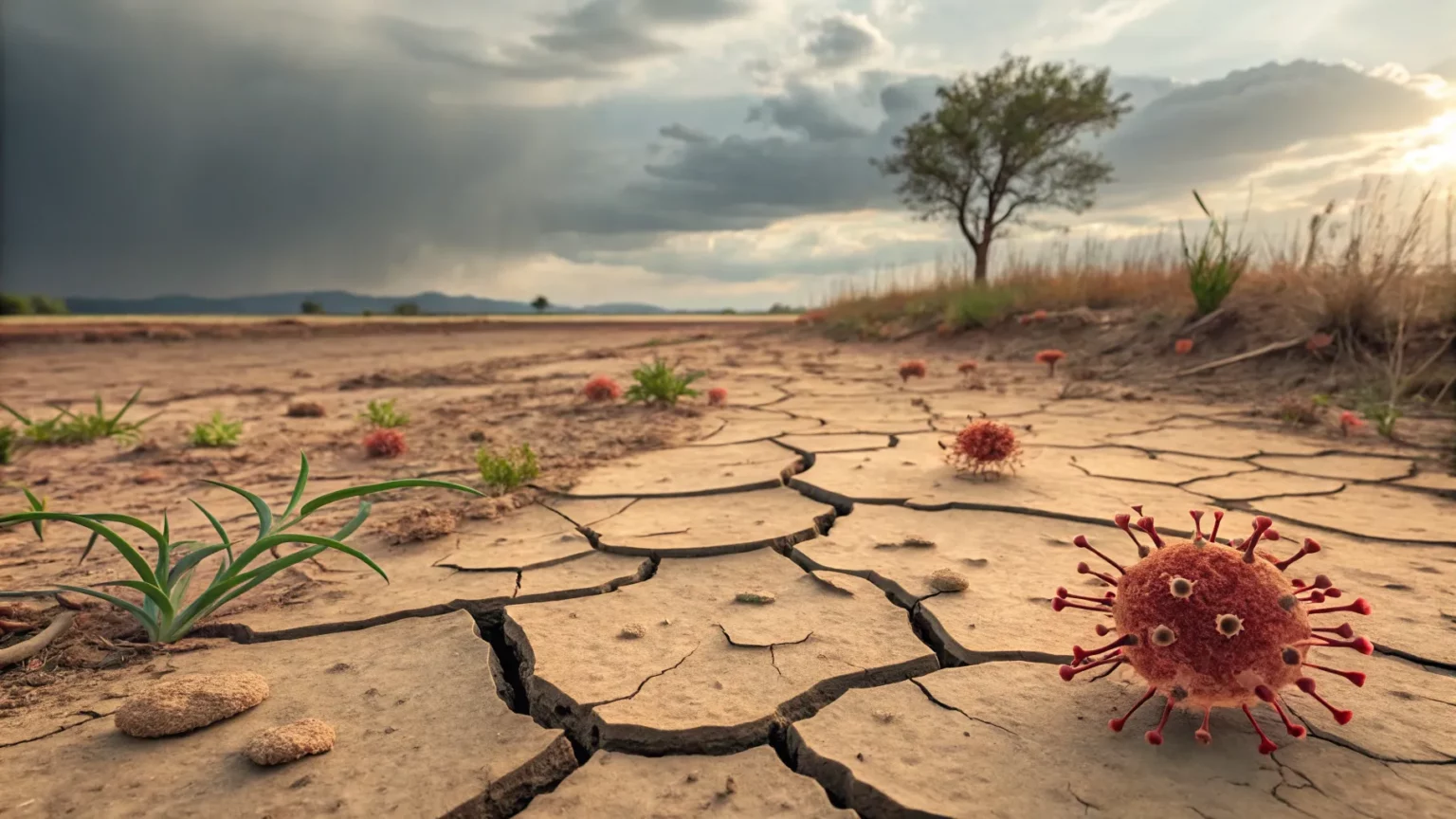
A new study finds that methane-eating microbes tend to win out in dry soils, tipping the balance of the methane cycle in those places. Researchers report that organisms that consume methane appear to outcompete methane producers when moisture is scarce, a shift that could affect greenhouse gas levels and land management decisions.
The study focuses on two key microbial groups. Methanotrophs remove methane by oxidizing it. Methanogens generate methane in oxygen-poor conditions. The findings suggest arid or seasonally dry sites may suppress methane formation while allowing methane oxidation to proceed.
What the Study Found
“Methanotrophs, including those that capture methane from the air, seem to outcompete methanogens in dry environments, a new study shows.”
The result points to a moisture threshold that can shift microbial competition. When soils dry, oxygen can penetrate farther, which hampers methanogens that prefer low-oxygen niches. At the same time, methanotrophs can keep oxidizing methane, including at very low concentrations.
This dynamic matters for methane, which has a stronger short-term warming effect than carbon dioxide. Over a 20-year period, methane traps roughly 80 times more heat than the same amount of CO2. Even small changes in methane sources and sinks can influence near-term warming.
Background: Two Microbial Forces, Opposite Effects
Methanogens thrive in wetlands, rice paddies, sediments, and the guts of some animals. They produce methane during the breakdown of organic matter without oxygen. Their activity often rises with warmth, ample substrates, and saturated soils.
Methanotrophs use methane as a carbon and energy source. They live in well-aerated soils, forest floors, grasslands, and even the thin unsaturated layer above waterlogged zones. Some can consume methane at the trace levels found in air.
How much methane leaves a landscape depends on the tug-of-war between these groups. Water content is a key factor. Saturated soils block oxygen, favoring methanogens. Drying admits oxygen, helping methanotrophs and restricting methane formation.
Why Dryness Matters for the Methane Cycle
Dry conditions alter three things at once. First, oxygen diffusion increases, which limits anaerobic niches. Second, substrate transport changes, affecting how easily microbes access carbon. Third, gas exchange improves, which can feed methanotrophs with trace methane from the atmosphere.


- Low moisture expands oxic zones that methanotrophs need.
- Drying narrows anoxic pockets where methanogens work.
- Better diffusion can enhance methane uptake at the soil surface.
The net effect is a tilt toward oxidation over production. That tilt could reduce net methane emissions from drylands or during seasonal droughts in semi-arid regions.
Implications for Land and Climate Policy
As many regions face longer dry seasons and intensified drought, the study’s finding has near-term policy value. Land managers may consider practices that keep surface soils aerated, where safe and ecologically sound, to support methane uptake. Examples include avoiding prolonged waterlogging in marginal fields and maintaining porous soil structure.
At the same time, wetlands remain vital for biodiversity, water storage, and long-term carbon storage. Draining them to cut methane would release carbon dioxide and harm ecosystems. The balance between methane control and carbon protection requires site-specific decisions.
For agriculture, dry periods may modestly lower methane formation in upland soils. Rice systems, which are large methane sources when flooded, already use intermittent drying in some regions to reduce emissions and save water. The new findings reinforce the broader principle that oxygen access can limit methane formation, though outcomes vary by soil and management.
What to Watch Next
The scale of the effect across climates remains an open question. Soil type, temperature, vegetation, and nutrient levels could alter the competition between microbes. Long-term drought might also reduce overall microbial activity, including methane uptake, if soils become too dry to sustain life.
Future studies could track seasonal swings in methane flux across drylands and mixed systems. Pairing field flux data with microbial gene markers would help link community shifts to real-world emissions.
The latest findings point to a simple idea with large stakes: moisture sets the terms for a key greenhouse gas. If dry soils favor methane oxidation over production, then climate and water policies that change soil moisture patterns may also shape methane trends. Policymakers and land stewards will be watching how these microbial forces play out as weather extremes become more common.