



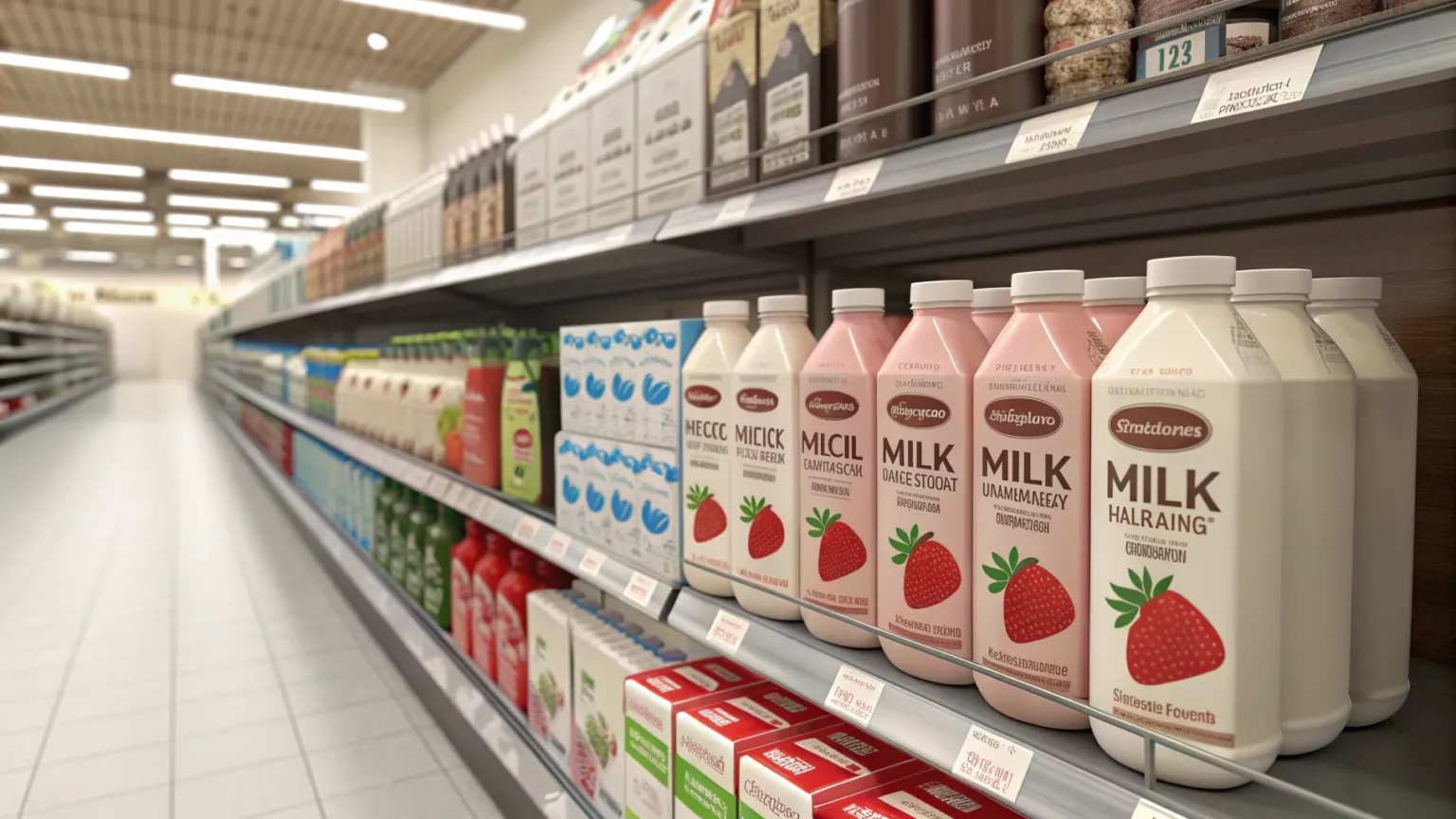
Health authorities are moving to close a gap in sugar policy by expanding the sugary drink tax to cover pre-packaged milk-based drinks. The change applies to ready-to-drink items on store shelves and in coolers. Officials say the goal is to cut sugar consumption and improve public health.
The decision arrives as governments look for new ways to curb diet-related disease. It extends rules that have long covered sodas and energy drinks. It also marks a shift for a category that many families see as part of a daily routine.
What Changes Under The Policy
“The tax on sugary drinks is being extended to include pre-packaged milk-based drinks.”
Authorities say the move targets drinks with added sugar rather than plain milk. The policy focuses on packaged products that are ready to drink. This often includes flavored milks, milkshakes, and sweetened coffee or tea drinks that use dairy.
- Plain, unsweetened milk is widely expected to remain outside the tax.
- Drinks with added sugar are the focus of the expansion.
- Retailers will need to update pricing and shelf labels.
Why Officials Back The Expansion
Public health experts have warned for years that sugar intake remains high, especially among young people. Sweetened milk-based drinks can contain as much sugar as soda. Advocates argue the tax should apply to all high-sugar drinks to be fair and effective.
Studies from countries that tax sugary drinks show lower sales of taxed products and reformulation by brands. In some places, manufacturers cut sugar to avoid higher rates. Supporters hope the same shift happens with flavored dairy drinks.
Pediatric groups have urged parents to limit sweetened beverages. They point to links with obesity, tooth decay, and Type 2 diabetes. By extending the tax, officials aim to nudge choices in stores and cafeterias.
Industry And Consumer Reaction
Dairy producers and retailers are watching the change closely. Some worry about costs for families at a time of tight budgets. They warn that higher shelf prices could cut sales and affect small shops.
Producers of flavored milk and ready-to-drink coffee may face tough decisions. They can pay the tax and raise prices, or they can cut sugar to reduce the impact. Reformulation can take time and investment. It also risks changing taste, which may affect demand.


Consumer groups are split. Some celebrate a wider net that treats similar drinks the same. Others fear the tax will hit lower-income shoppers the hardest. Advocates for the expansion say any revenue should go to school meals, sports programs, and nutrition education to lessen that impact.
What It Could Mean For Prices
Past experience suggests part of the tax will pass through to shoppers. That is what happened with soda in many cities and countries. The exact change will vary by brand, sugar level, and store pricing.
Manufacturers may respond in several ways:
- Reduce sugar to bring drinks under tax thresholds, where applicable.
- Launch low- or no-sugar versions of popular flavors.
- Shift to smaller package sizes to meet price points.
If producers lower sugar, health groups say shoppers could benefit twice. They would see fewer high-sugar options and smaller price jumps.
Context From Other Jurisdictions
Several regions have used drink taxes to cut sugar consumption. Researchers have reported drops in purchases of taxed drinks and increases in untaxed options. Some governments saw companies reformulate products within a year of new rules.
Milk-based drinks were often excluded at first. As evidence on sugar intake grew, policy makers began to revisit the carve-outs. Extending taxes to sweetened dairy aligns with the idea that sugar, not the base liquid, drives health risk.
What To Watch Next
Officials are expected to publish guidance on sugar thresholds, labeling, and timing. Retailers will need clarity on stock already in warehouses and stores. Schools, hospitals, and public venues will look for rules for vending and cafeterias.
Health groups will track reformulation and changes in purchasing. Industry will watch sales and consider recipe changes. Lawmakers may face pressure to direct tax revenue to programs that help families and small businesses adapt.
The expansion closes a gap in sugar policy and sets the stage for further debate. Supporters see a health win if companies cut sugar and shoppers switch to lower-sugar drinks. Critics worry about cost and choice. The impact will turn on how brands respond and how revenue is used in the months ahead.