




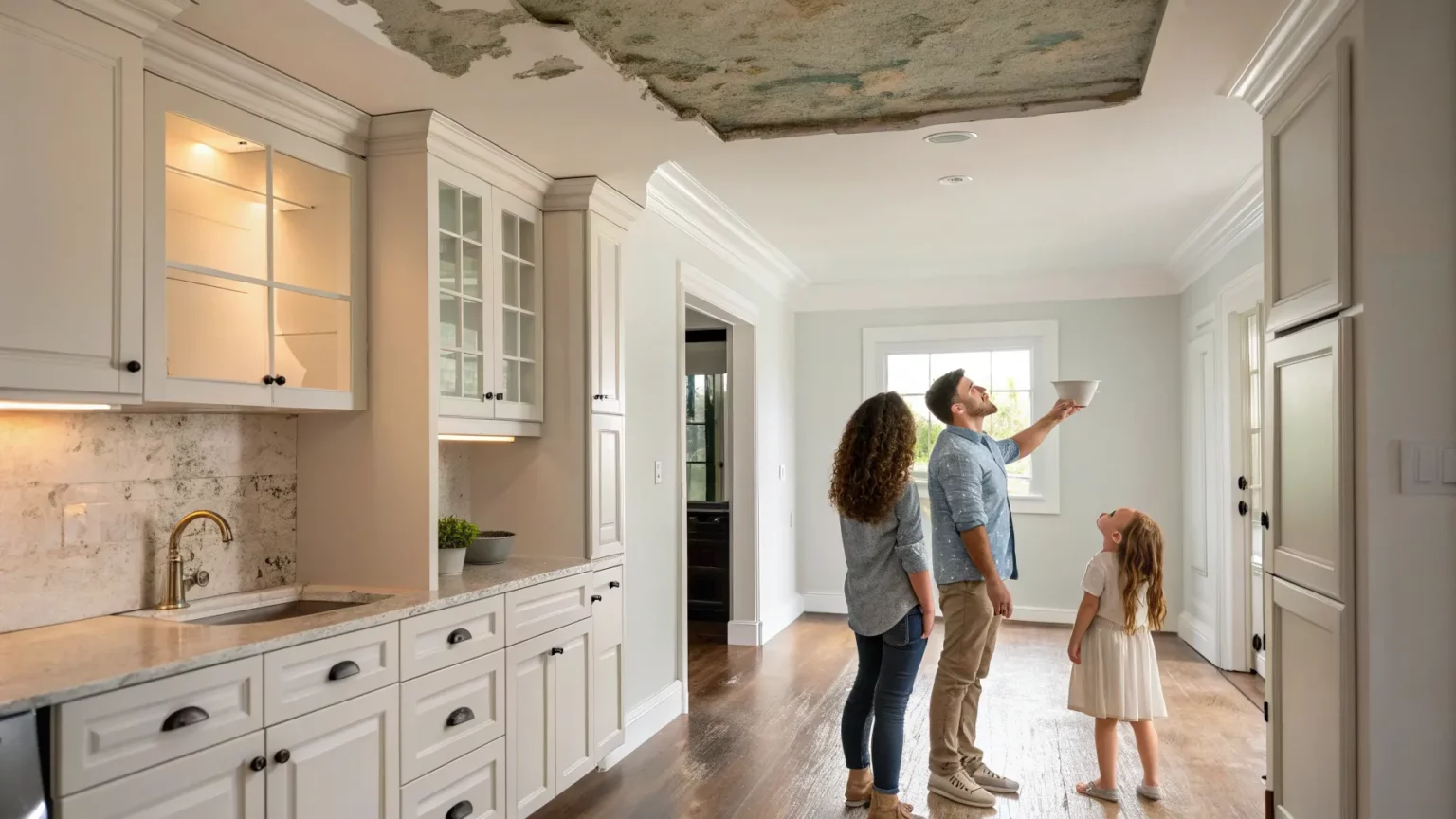
As buyers tour kitchens and count bedrooms, a quieter expense is rising fast: homeowners insurance. Across high-risk areas and older neighborhoods, hidden issues are pushing premiums higher, limiting coverage, or both. Personal finance columnist Liz Weston framed the stakes plainly, warning that ignoring these risks can sting long after closing.
“When house hunting, the price of homeowners insurance probably isn’t top of mind. But homes with hidden risks can make getting coverage difficult, expensive or both. Learning how to identify them could save you a bundle.” — Liz Weston, NerdWallet
The concern is timely. Insurers are reassessing risk as severe weather, wildfire seasons, and costly claims reshape models. Some carriers have paused new policies in parts of California and the Gulf Coast, while others have raised rates or tightened underwriting. Buyers who assume insurance will be routine are hitting surprises late in the process, sometimes days before closing.
Why Insurance Is Getting Harder to Secure
Climate risk and aging homes are the twin engines here. Hurricanes, floods, and wildfires are producing larger losses. Older roofs, outdated wiring, and water-prone plumbing make claims more likely and repairs more expensive. Carriers respond by trimming coverage options or requiring fixes before issuing a policy.
Regulators in several states report steep premium hikes over the past two years, with higher deductibles and stricter eligibility rules. Reinsurance, the insurance that insurers buy, has also become pricier. Those costs often make their way to buyers.
Red Flags That Push Premiums Up
Many risks are visible with a careful eye, while others hide in reports and databases. Real estate agents say buyers are increasingly asked to price out insurance alongside mortgage estimates, especially in hazard zones.
- Old or damaged roofs, especially wood shake
- Proximity to wildfire zones or unmitigated brush
- Homes in floodplains or with past water damage
- Outdated electrical systems or knob-and-tube wiring
- Polybutylene or galvanized pipes
- Prior claims history on the property
- Distance from a fire station or hydrant
Some carriers won’t write policies for certain risks at any price. Others will, but only with higher deductibles, exclusions, or required upgrades.
How Buyers Can Size Up Risk Early
Experts advise treating insurance as a “go/no-go” item, not a last-minute box to check. That means gathering quotes while the offer is fresh, not during closing week.
Insurance brokers recommend three moves. First, ask for the home’s claims history, if available, and review inspection reports for water and electrical issues. Second, request preliminary quotes from multiple carriers before removing contingencies. Third, confirm whether flood or wildfire coverage is separate and how much that adds each year.



Buyers in fire-prone areas should look for defensible space, cleared gutters, ember-resistant vents, and Class A roof materials. In flood zones, ask about elevation certificates, prior mitigation, and whether mechanical systems are above grade.
Sellers and Agents Adjust Strategies
Listing agents are getting proactive. Some now include recent insurance quotes or mitigation details in disclosures, hoping to head off deal jitters. Sellers who replace aging roofs or fix flagged plumbing often see smoother transactions and a wider pool of carriers willing to quote.
Appraisers and lenders are watching, too. If insurance is unavailable or too expensive, a mortgage can stall. Deals that once hinged on price and inspection are now shaped by insurability.
Industry and Policy Responses
Insurers say they need better risk data and stronger mitigation to keep writing policies in higher-risk areas. State-led reforms, such as hardening homes against wildfire and updating building codes, are expanding. Fair plans and last-resort coverage exist, but they often include higher premiums and limited features.
Consumer groups argue for clearer disclosures so buyers know the true cost of owning a home in risk zones. Brokers, meanwhile, want more time between accepted offer and closing to source carriers, negotiate requirements, and avoid coverage gaps.
What To Watch Next
Expect more granular pricing tied to the home’s specific risk features. A replaced roof or cleared defensible space could materially lower a quote. Conversely, a single past water claim may bump a premium for years.
Weston’s advice lands like a checklist item buyers can’t skip. Insurance is not background noise anymore; it is part of the purchase price. Bringing an agent or broker into the process early, asking hard questions about risk, and budgeting for possible upgrades can keep a dream home from turning into an expensive surprise.
Bottom line: before you fall for the backsplash, make sure you can insure the roof over it. The smartest offer is the one that also gets a policy.