




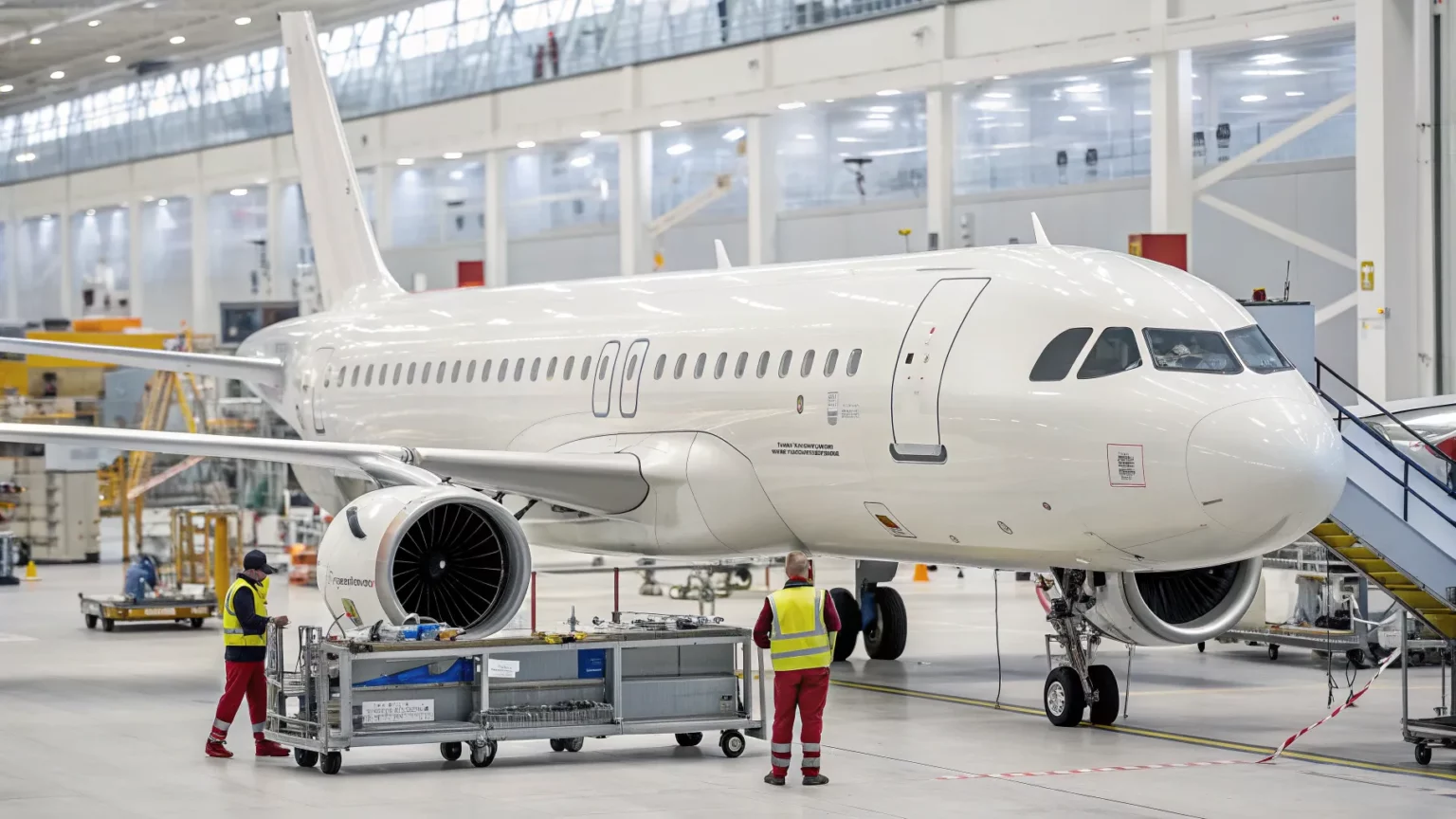
Airbus said it will ship fewer planes than planned this year after discovering a problem with fuselage panels on some A320-family jets, prompting a reset of delivery goals and timelines. The company said Wednesday it is now aiming for about 790 commercial deliveries in 2025 as it works through supplier checks and production adjustments. The update affects airlines counting on new single-aisle aircraft to meet strong travel demand and replace older fleets.
Quality Snag Triggers New Targets
The issue involves fuselage panels used on select A320-series aircraft, the workhorse of short- and medium-haul travel. Airbus said a supplier quality problem forced it to reassess near-term output and sequence inspections and fixes where required. While the company did not detail the scope, it emphasized that safety and compliance come before volume.
Airbus “expects to deliver fewer planes than planned this year” and is “targeting around 790 commercial aircraft deliveries in 2025 in light of recent supplier” issues, the company said.
The adjusted plan suggests a steadier ramp next year rather than a rapid surge, allowing time to validate parts and keep assembly lines moving without stockpiles of incomplete jets.
Pressure on Airlines and Schedules
Airlines have been counting on A320neo-family aircraft for fuel savings and lower emissions. Any delay can ripple through growth plans, route launches, and fleet retirements. Carriers facing late arrivals often extend leases on older jets or shuffle aircraft among hubs to keep schedules intact.
- Fleet planning: Delays can push back capacity increases on high-demand routes.
- Costs: Extended leases and extra maintenance on older jets can raise expenses.
- Sustainability: Late arrivals of newer models may slow emissions-cutting efforts.
Many carriers are already managing separate engine inspections on geared turbofan models, which have temporarily grounded some A320neo aircraft. The new fuselage panel checks add another layer of coordination between manufacturers, lessors, and maintenance providers.
Background: Long Backlogs and Tight Supply Chains
The A320 family is the best-selling single-aisle line in commercial aviation, with a backlog of more than 8,000 jets across Airbus’s portfolio. After the pandemic, demand for narrow-body aircraft surged faster than the supply base could recover. Parts shortages, labor gaps, and quality reviews have kept production fragile across the sector.
Airbus delivered 735 aircraft in 2023 and has been targeting higher output, led by single-aisle models. The new guidance reflects continued constraints and the time needed to address quality issues at the source. The company is aiming to build resilience into its supply chain while avoiding large inventories of work-in-progress aircraft.
Supplier Scrutiny and Industry Implications
Quality lapses can be costly in time and reputation. Airbus will likely step up audits, testing, and on-site support at suppliers handling structural parts. Tightening oversight raises near-term workload but can reduce rework later in the build cycle.



The broader industry faces similar pressures. Complex aerostructures and long lead times mean checks at earlier stages are vital. Boeing and other manufacturers have also faced supplier-related slowdowns, highlighting how one faulty part can stall an entire line.
For airlines, the situation reinforces the value of diversified fleets and flexible delivery schedules. Lessors may play a larger role in bridging gaps, though their inventories are also stretched.
What to Watch Next
Key questions include how many aircraft are affected, how quickly inspections can be completed, and whether fixes require structural work or part replacements. Investors will track monthly delivery tallies, which hint at whether the 2025 target is achievable without further adjustments.
Analysts also expect more detail on the production ramp for the A320 family through mid-2025, including any changes to planned rate increases. Clear communication with airlines will be essential to limit operational disruptions during peak travel seasons.
Despite the setback, demand for fuel-efficient narrow-body jets remains strong. If Airbus can stabilize quality at the supplier level and maintain steady output, the company could enter 2025 with a cleaner production flow and firmer delivery cadence.
The bottom line: Airbus has reset expectations to deal with a specific quality issue while keeping its long-run growth plan intact. Travelers are unlikely to feel immediate effects, but airlines will be juggling fleets behind the scenes. Watch for updates on the scope of inspections, monthly deliveries, and any knock-on changes to production rates in the months ahead.