



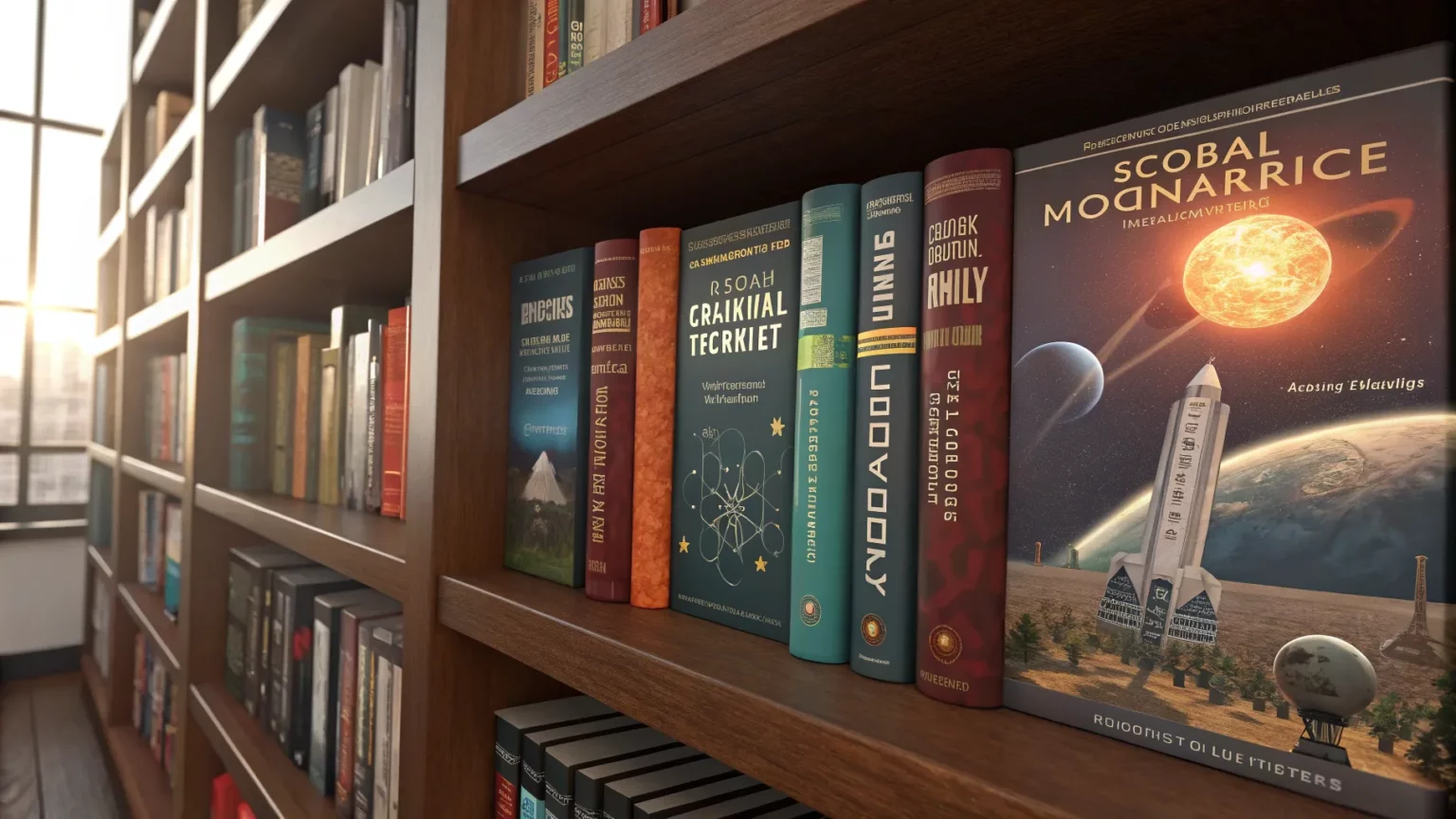
Science-themed books surged in popularity this year, reflecting public curiosity about artificial intelligence, space travel, and global health. Editors say the most sought-after titles explored how AI is reshaping daily life, what it will take to reach Mars, and how societies can prepare for the next outbreak.
The push came as tech firms rolled out new AI tools, space companies tested heavy-lift rockets, and health systems assessed lessons from COVID-19. Retailers reported brisk sales for accessible science writing and deep reporting on complex issues. The trend spans bestselling nonfiction, audio releases, and science-informed novels.
“Books about AI, Mars and infectious disease were among our top reads this year.”
A Year Drawn to Science
Interest in AI soared as large language models entered classrooms, offices, and homes. Readers sought plain-English guides to machine learning, ethics, and the workplace impact of automation. Titles explaining data bias, copyright disputes, and practical uses of AI attracted broad audiences.
Space books found a new foothold as test flights of next-generation rockets dominated headlines. Narratives about Mars mission plans, astronaut training, and planetary science became staples on recommendation lists. Some authors paired engineering detail with human stories of risk and endurance.
Public health titles remained strong. Authors revisited the early pandemic response and mapped strategies for faster detection, better communication, and vaccine equity. Investigations into zoonotic spillover and antimicrobial resistance added urgency.
Why These Topics Resonated
Readers gravitated to practical guidance on AI. Many sought answers on job security, classroom policy, and creativity in a machine-assisted world. Experts featured in these books urged realistic expectations and careful guardrails rather than hype.
Space narratives offered a counterweight, trading anxiety for ambition. Writers explored funding gaps, mission timelines, and the science needed to protect crews on long trips. The literature made clear that even with rapid progress, Mars remains a hard target.
Health reporting tapped into a shared memory. After years of disruption, audiences showed appetite for clear lessons. Books documented which interventions worked, which failed, and how public trust can be rebuilt before the next crisis hits.


Perspectives From Authors and Editors
Editors described a reader base seeking clarity over hype. One explained that authors who link complex research to daily choices are drawing the widest followings. Several highlighted the value of case studies and transparent sourcing.
Authors of AI titles emphasized the limits of current systems. They warned against overreliance while also pointing to gains in productivity and access. Space writers stressed that the Mars debate is as much political as technical. Health writers pressed for sustained funding between emergencies.
What the Data and Trends Suggest
Booksellers reported steady demand for science nonfiction across print, digital, and audio formats. Librarians confirmed waitlists for AI explainers and pandemic retrospectives. University presses said classroom adoptions helped keep certain titles in stock longer than expected.
- AI explainers and ethics primers led tech shelves.
- Mars mission overviews outpaced general astronomy titles.
- Pandemic histories remained steady as policy debates continued.
Industry trackers also saw strong backlist sales. Readers often found new releases through podcasts, then picked up related older books. Cross-promotion between science and business categories lifted visibility.
Looking Ahead: Next Waves to Watch
Upcoming AI regulations, copyright cases, and workplace studies will shape the next crop of titles. Expect more reporting on safety testing, open-source tools, and education standards. Readers are also likely to see nuanced takes on creativity and authorship.
In space, Mars remains a draw, but the Moon may lead the news. Writers are preparing books on lunar infrastructure, sample analysis, and international partnerships. Success or delays will influence which projects get the most shelf space.
Public health authors are focusing on surveillance networks, long COVID research, and the economics of preparedness. Interest in antimicrobial resistance and wastewater monitoring is rising.
This year’s reading habits tell a clear story. People want accessible science writing that connects complex fields to real choices at work, home, and school. As AI tools spread, rockets grow larger, and health systems adjust, readers are looking for firm facts and practical insight. Expect bookstores and libraries to keep front tables stocked with science titles that inform, challenge, and help plan for the next big turn.