




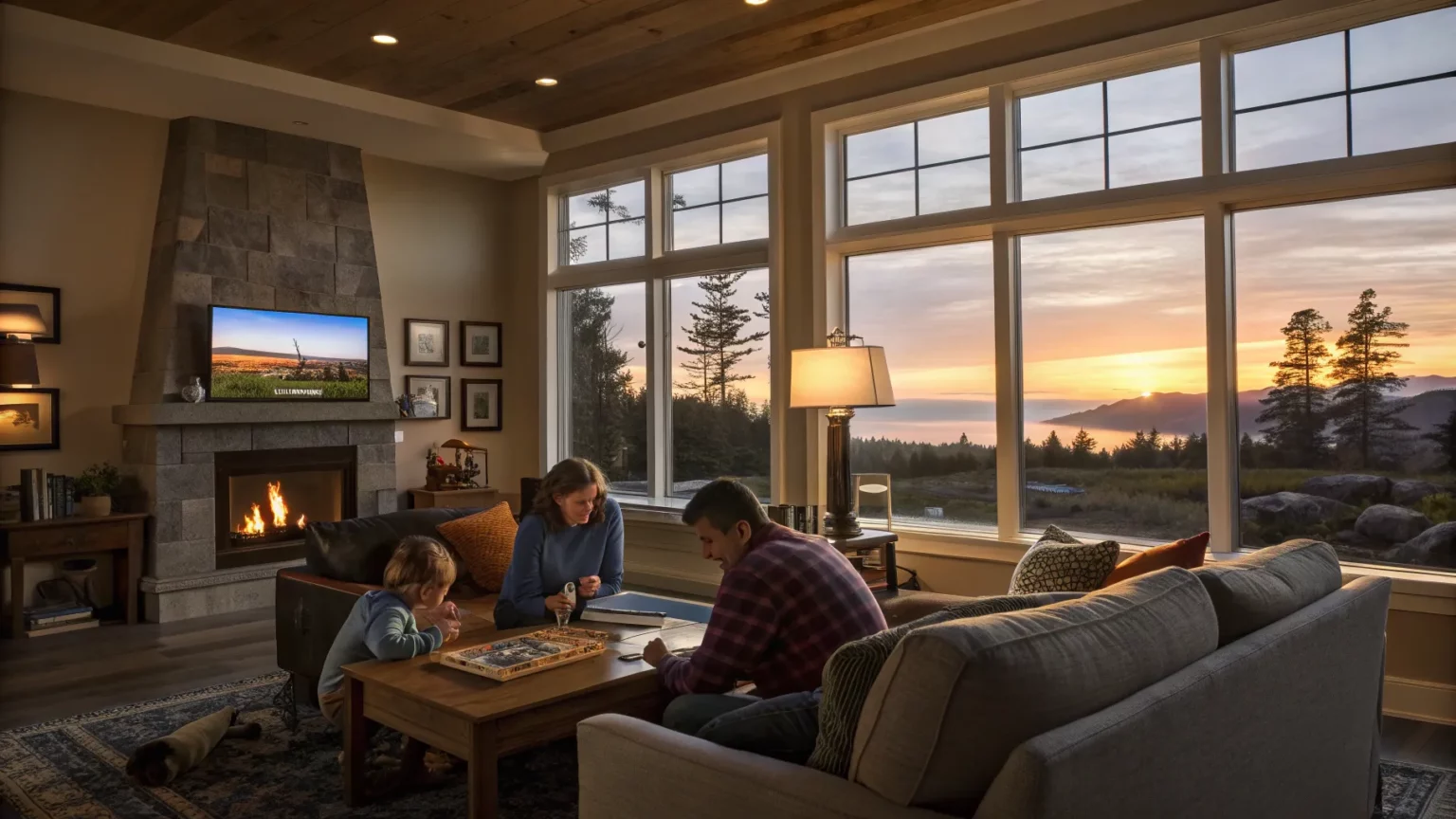
As daylight fades earlier and temperatures drop, families face another season of long evenings at home after months of disrupted routines. The shift raises worries about mood, motivation, and social connection at a time when many still feel stretched thin.
The change is straightforward, but the stakes are real: less daylight, more indoor time, and a public already tested by extended periods of isolation. From living rooms to small apartments, the same question returns each fall with extra urgency this year: how to stay well when the days get short and cold.
Shorter Days, Heavier Moods
Scientists have long linked reduced daylight to low energy, sleep trouble, and the winter blues. The daily rhythm that light helps set can wobble as evenings arrive earlier. People notice it first at the window and then at their desk.
The scene is familiar. Outdoor plans shrink. The commute ends in darkness. Even quick errands feel less inviting. For many, that dampens social time and stacks more hours inside spaces that already doubled as classrooms, offices, and gyms.
“Sunset is arriving noticeably earlier, meaning less mood-lifting daylight for everyone. The weather is turning colder, so we’ll soon spend even more time cooped up inside the homes where we’ve huddled.”
Public health experts say these seasonal pressures weigh hardest on people with limited outdoor access, tight budgets, or jobs that keep them indoors. Parents managing schoolwork and child care feel it, too.
Six Months Inside, Then What?
Many households have spent half the year adapting rooms for everything. That flexibility helped, but it also blurred lines between rest, work, and downtime. Now, with shorter days, the same rooms will carry even more duties.
Designers and psychologists who study home life point to small changes that can have outsized effects. Clear zones for work and rest lower stress. Light matters more as natural sun fades. Fresh air, even for a few minutes, helps reset the day.
Community leaders are planning for this shift as well. Libraries, parks departments, and neighborhood groups have been testing safe outdoor activities earlier in the day, while schools consider how to balance screen time with movement when recess goes indoors.



Strategies Households Are Trying
Across cities and suburbs, people are tinkering with daily routines to stay grounded. The aim is to build structure without turning the home into a checklist factory.
- Move the day’s most attention-heavy tasks to morning hours with natural light.
- Place bright, warm lamps near work areas and reading chairs to counter dark afternoons.
- Set short outdoor breaks at the same time each day, even if it’s just a walk around the block.
- Rotate shared spaces by activity—quiet in the morning, social in the evening—to prevent burnout.
- Schedule small, repeatable rituals: a quick stretch at lunch, music before dinner, a nightly wind-down.
These are not cure-alls. But they help people feel less stuck as evenings close in. Small wins count when the sun clocks out early.
Economic and Social Ripples
Retailers expect demand to tilt toward home lighting, cozy goods, and indoor hobbies. Fitness studios are shifting outdoor classes earlier. Cafes are leaning into late-afternoon service to catch the last light. The result is a daily rhythm that starts sooner and winds down faster.
Mental health providers report steady interest in support groups and skills-based workshops. Many emphasize early planning over quick fixes. The message: don’t wait for the deepest part of winter to make changes that can be set now.
What Comes Next
As clocks and clouds make their yearly tag team, the smart move is planning for routine, light, and connection. Households that map out simple habits tend to stick with them when the sky turns gray at 4:30.
The coming months will test patience, but they also offer a chance to build better daily structure. Watch for earlier community events, workplace flexibility on daylight hours, and new ways neighbors support one another. The sun will do what it does every winter. People can, too—by setting the day on purpose, even when the evening shows up early.