




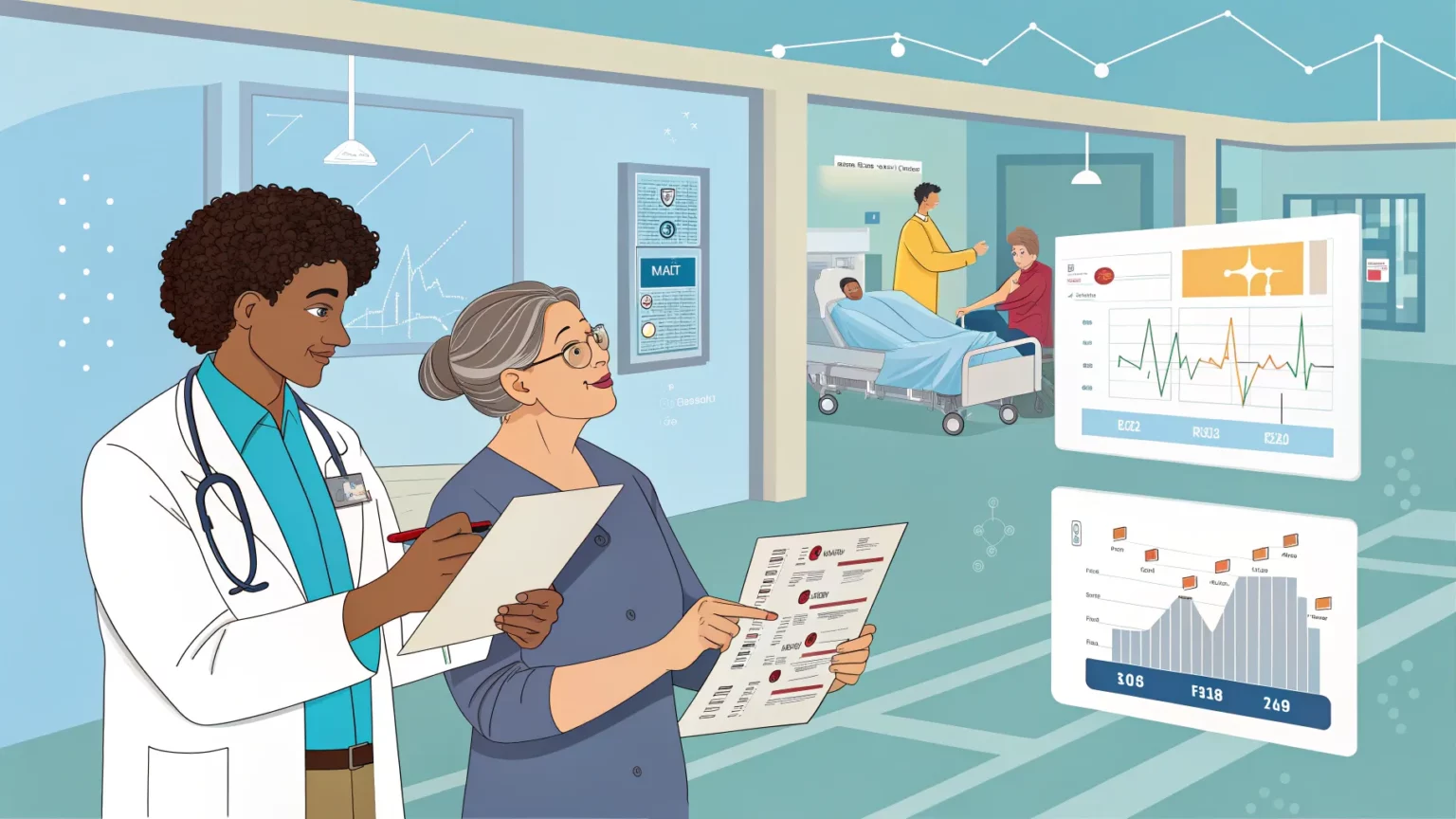
US healthcare is facing fresh strain from rising costs and policy pressures, according to a new analysis from McKinsey. The report, released this week, highlights mounting financial stress across hospitals, insurers, and patients. It also points to artificial intelligence as a practical path to relief, if used with care and clear oversight.
A new McKinsey report warns US healthcare is under strain from rising costs and policy pressures, yet points to AI as a potential lifeline for the system
The warning arrives as health systems work through staffing challenges, higher expenses, and shifting rules. It signals a need for cost control and better productivity. It also raises a central question: can new technology ease the squeeze without adding new risks?
Costs, Policy Pressures, and a System Under Strain
Healthcare spending has climbed for years, outpacing wages for many families. Hospitals report higher labor and supply costs. Insurers face expensive treatments and complex benefit designs. Employers weigh premium increases and plan changes.
Policy shifts add to the uncertainty. Payment rates, coverage requirements, and data rules continue to evolve. These changes affect budgets, hiring, and capital plans. The report suggests the current mix is hard to sustain without new efficiencies.
Analysts have long tied cost growth to chronic disease, drug and device prices, and care delivered in high-cost settings. The McKinsey view adds urgency by linking those drivers to recent operational strain. The message is clear: better productivity is now a must, not a choice.
How AI Could Help, and Where It Could Falter
McKinsey points to AI as a practical aid for a stressed system. The promise is not magic. It is about time saved, fewer errors, and faster decisions.
- Administrative tasks: intake, prior authorization, coding, and claims.
- Clinical support: summarizing records, drafting notes, and flagging risks.
- Operations: staffing, scheduling, and supply forecasting.
These uses could free clinicians to spend more time with patients. They could also reduce burnout by cutting repetitive work. Early pilots show faster documentation and fewer backlogs.
But there are clear hurdles. Data quality varies across providers and insurers. Models can make mistakes or reflect bias in historical records. Privacy and security rules require strong controls. The report’s framing suggests careful testing, clear guardrails, and close monitoring.


What Leaders Are Weighing
Health system leaders weigh three questions. First, where will AI deliver near-term value without disrupting care? Second, how will they measure safety and accuracy? Third, can they scale pilots across complex organizations?
Payers ask a different set of questions. They want faster processing without harming fairness. They need human review for edge cases. They also need to explain decisions to members and regulators.
Clinicians support tools that reduce clicks, not add them. They want simple workflows and quick wins. They also want clear lines of accountability when a tool’s suggestion is wrong.
Evidence, Guardrails, and a Path Forward
The report points to a pragmatic route: start with well-defined tasks, measure outcomes, and expand step by step. Savings from administration may come first. Clinical gains may follow as tools prove reliable and safe.
Key safeguards will matter. Clear data governance. Human oversight for high-risk decisions. Transparent methods and routine audits. Worker training and patient communication. These basics reduce risk and build trust.
Comparisons from other sectors show that early wins often come from narrow use cases. Healthcare may follow the same pattern, given its higher stakes and complex rules.
The takeaway is practical. US healthcare is under pressure, and budgets are tight. AI will not fix that alone, but it can help reduce waste and ease workload. Leaders who pilot tools, track results, and set firm guardrails could see the first gains. The next year will show whether measured steps can deliver real relief without new problems to solve.