




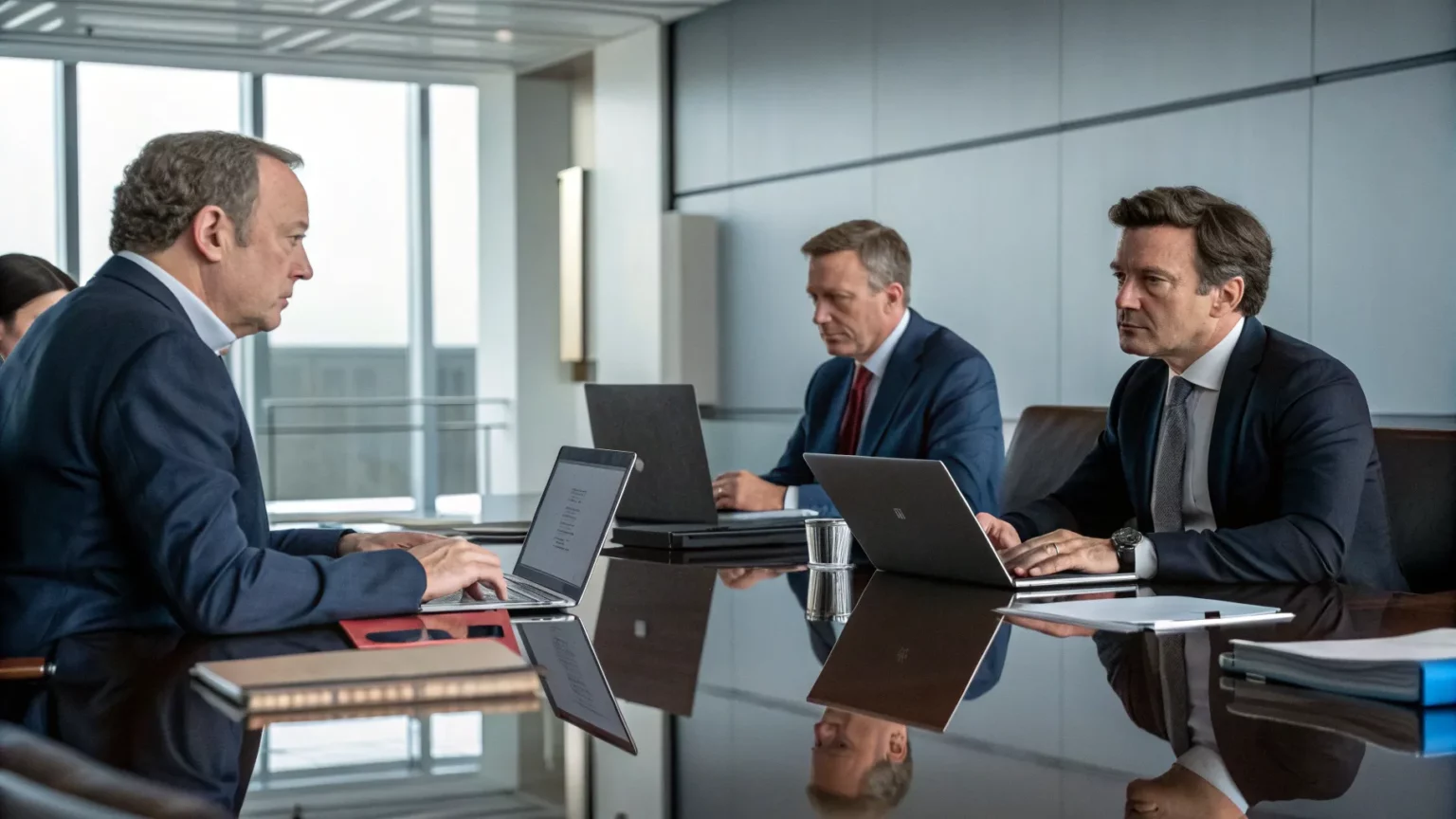
A potential sale of Warner Bros. has turned into a high-stakes contest, with Netflix facing a competing offer from a combined Paramount–Skydance group. The clash sets up a test for streaming-era strategy, studio scale, and regulatory scrutiny as major players fight for one of Hollywood’s best-known studios.
Two bidders with very different models are circling the same prize. Netflix is built on direct-to-consumer streaming and global reach. Paramount and Skydance represent a blend of legacy studios, broadcast, and a production powerhouse with a track record in big-budget franchises. The outcome could shape how film and TV are financed, distributed, and monetized in the next phase of consolidation.
Netflix’s acquisition of Warner Bros. hit a major roadblock in the form of Paramount Skydance. Here’s how the offers from both companies compare.
The Competing Visions
At the heart of the contest is a simple question: Who can create more value from Warner Bros.’ film labels, TV assets, and iconic franchises?
For Netflix, the appeal is clear. A library rich in known brands could feed its global service, helping retention and reducing reliance on licensed content. Integration would aim to fold production and distribution fully into a single streaming pipeline.
Paramount–Skydance offers a different path. Paramount brings studio heritage and established distribution channels, including theatrical, cable, and a streaming service. Skydance adds a nimble production engine skilled at action and tentpole projects. Together, they could maintain theatrical windows while using streaming more selectively.
What Each Bid Could Mean
- Strategy: Netflix would push more direct-to-streaming releases. Paramount–Skydance could balance theaters with streaming and TV licensing.
- Library Use: Netflix would lock content within its platform. Paramount–Skydance might license more widely for cash flow.
- Costs: Netflix could seek savings by consolidating tech and marketing. Paramount–Skydance might streamline overlapping studio functions.
- Franchises: Netflix could serialize IP quickly for global audiences. Paramount–Skydance may favor big-screen tentpoles and event TV.
Regulatory Hurdles and Deal Math
Any buyer will face antitrust review. A Netflix–Warner tie-up would raise questions about a streaming giant absorbing a major content supplier. Regulators could examine effects on licensing markets and talent deals. A Paramount–Skydance deal would focus on studio concentration and broadcast interests, as well as the health of the theatrical market.
Financing will also matter. Netflix tends to fund with cash flow and debt sized to its subscriber base. It would need to justify a premium by showing subscriber gains and reduced churn. Paramount–Skydance could mix equity and asset sales, banking on operational synergies and stronger franchise performance. Either path will require a clear plan for debt, divestitures, and integration risks.
Industry Stakes for Streaming and Theaters
The fight reflects a broader shift. Streaming growth has slowed, and investors are pushing for profits. Studios are rethinking windowing to boost theatrical revenue and aftermarket sales. A Netflix win could speed the move to platform exclusivity, pulling titles from third-party services. That might please subscribers who want one-stop viewing, but it could pressure rivals that rely on licensing.


A Paramount–Skydance victory would likely keep a mix of releases across theaters, cable, and streaming. That could support cinemas and offer more licensing options to smaller platforms. It might also spread risk across channels rather than concentrating it in one app.
Creators, Workers, and Viewers
For creators and unions, the buyer’s approach to residuals, staffing, and greenlights is crucial. Netflix often fast-tracks series but is selective on renewals. Paramount–Skydance may emphasize fewer, larger projects with theatrical upside. Either approach will face scrutiny after recent labor negotiations that raised pay floors and set new rules for streaming data.
Viewers could see changes in where hit shows live and how long films stay in theaters. A unified streaming model would centralize access. A diversified model could keep popular titles spread across platforms and windows.
What to Watch Next
Key signals will include board reactions at Warner, financing terms, and any planned asset sales to ease regulatory review. Franchise roadmaps for major series will hint at each bidder’s rollout strategy. Talent pacts and first-look deals could show how the buyer plans to keep top creators in-house.
The decision will reverberate well beyond one studio. It will set a template for how scale, debt, and distribution mix can support hit-making in a tougher market. For now, the contest remains open, but the stakes are clear: control of marquee IP, a stronger hand in negotiations, and a model for how Hollywood will fund and release its biggest stories.