




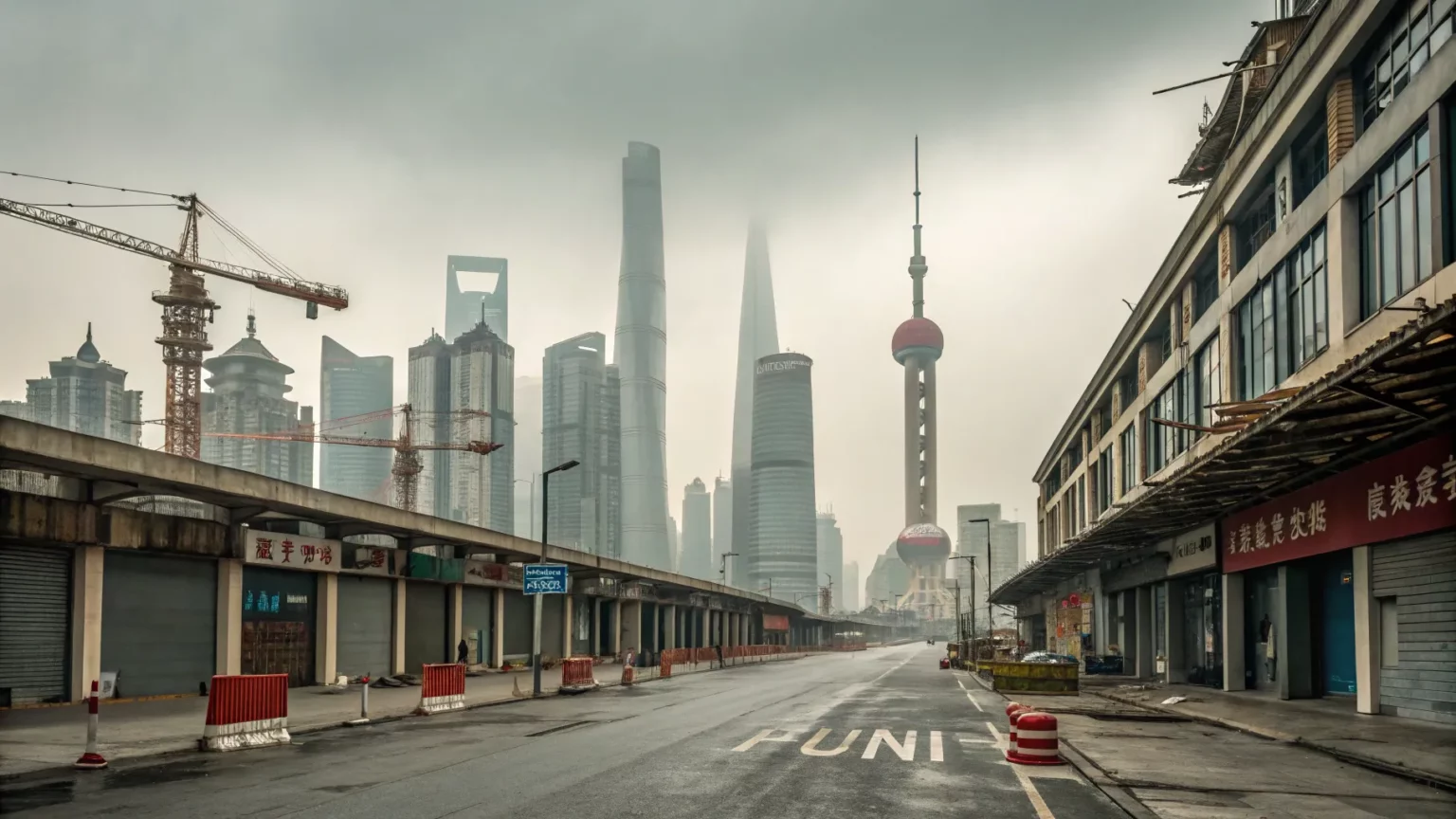
China’s property woes intensified in November as a broad measure of investment fell more than 10 percent, marking another setback for a sector already under strain. The drop adds pressure on policymakers in Beijing, who face weak demand, unfinished projects, and fragile developer balance sheets heading into the new year.
The fall came amid a months-long reversal in property and construction activity. It highlights the weight of the downturn on growth, jobs, and household confidence across major cities and smaller towns. The sector is large, feeding work for builders, steelmakers, and service firms. Including related industries, housing is often estimated at about a quarter of China’s economy.
The Signal From November
“A broad measure of investment fell more than 10 percent in November, continuing a recent reversal and signaling the depth of China’s property crisis.”
The latest slide suggests projects are being halted or scaled back. It also hints that developers are still struggling to secure funding, despite official efforts to steady financing channels.
Falling investment can mean fewer new starts, slower construction, and less demand for materials. It also weighs on local government revenue, much of which comes from land sales. That feedback loop has been hard to break this year.
How China Reached This Point
The crisis began to surface in 2020, when tighter limits on developer borrowing exposed risky balance sheets. Evergrande, once a national sales leader, defaulted in 2021. Since then, more firms have missed payments, and presales have slowed.
Country Garden, another giant, signaled severe stress in 2023. Several trust products tied to property also faced losses. The strain spilled into local government financing vehicles, which relied on land revenue and construction growth.
Homebuyers became more cautious. Prices eased in many cities. Many households chose to save, not spend, while waiting for signs of stability.
What the Drop Means for the Economy
Weaker property investment affects many parts of the economy. It hits construction jobs, curbs demand for steel and cement, and lowers orders for home goods. It also clouds local budgets that fund public services and infrastructure.



Economists warn that a long slump in housing can reduce household wealth and cut spending. Lower prices make owners feel less secure. Fewer new projects also reduce city growth plans.
- Developers face limited cash flow from slower presales.
- Suppliers see fewer orders and longer payment delays.
- Banks manage rising credit risk tied to property loans.
Policy Moves and Their Limits
Authorities have tried to ease the strain. Banks have been guided to support “reasonable” housing demand. Some cities lowered down-payment ratios and lifted purchase caps. Funding windows for select developers have reopened in part.
Beijing has also promoted delivery of pre-sold homes, seeking to rebuild trust. Local governments launched programs to buy or support completion of stalled units for public use. Yet the November investment data suggests these steps have not yet restored momentum.
Analysts say confidence is the key. Buyers want certainty that projects will be finished and prices will not fall further. Developers need access to steady financing and clearer rules. Localities need dependable revenue sources that do not rely on land sales.
What to Watch Next
Several indicators will show whether the slowdown is easing. Sales volumes, new starts, and land auctions will reveal developer plans. Completion rates will show progress on stalled projects. Price trends will reflect buyer sentiment.
Further policy support is possible if conditions worsen. That could include larger credit lines for solid developers, more funding for project delivery, or expanded housing programs for public needs. Broader steps to strengthen local finances may also be on the table.
The November decline in investment is a clear warning. The property slump is still draining growth and confidence, and quick fixes are scarce. Stabilizing the sector will likely require steady financing, faster home delivery, and a firmer safety net for local budgets. The months ahead will test whether policy actions can turn cautious buyers and lenders back into willing participants in China’s housing market.