




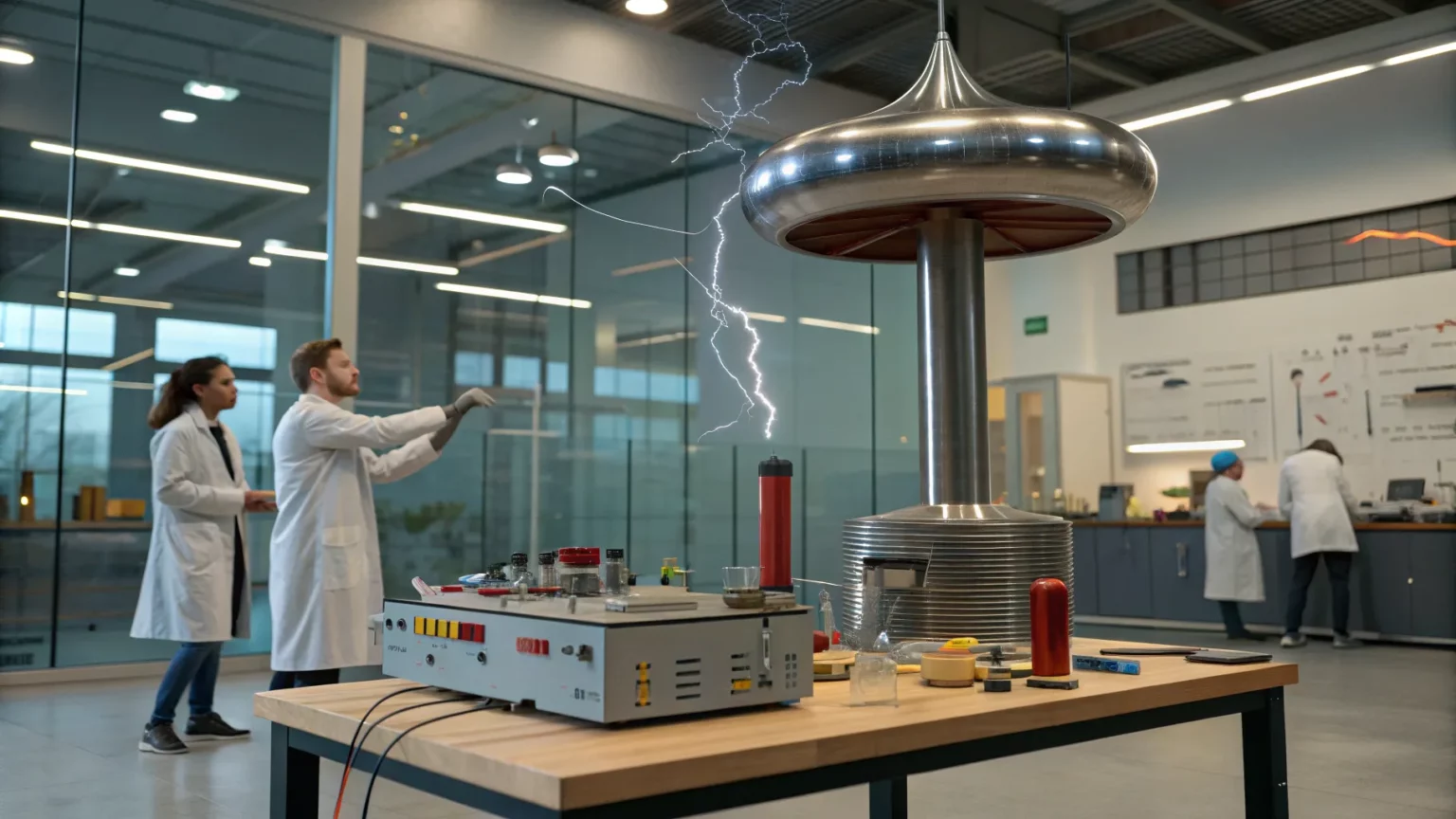
Levitation is moving from fiction to lab bench and rail lines, thanks to proven methods using sound, magnetism, and electricity. Researchers and engineers are turning once-magical ideas into practical tools for transport, manufacturing, and medicine. The work spans universities and industry labs, with demonstrations reported in Asia, Europe, and the United States over the past decade.
The appeal is simple: hold or move an object without touching it. The reasons are urgent, from cut travel time to cleaner drug production. While it may look like a trick, the forces are measurable and predictable.
“Levitation may seem like fantasy. But all it takes is a little physics — and sound waves, magnetism or electricity.”
From Maglev Tracks to Quiet Lab Benches
Magnetic levitation is the most familiar form. Trains in Shanghai and Japan use magnetic forces to float above tracks, reducing friction and noise. Shanghai’s line has reached about 431 kilometers per hour in service. Japan’s tests have topped that on closed tracks.
In industry, magnetic bearings suspend rotors inside turbines and high-speed machines. With no physical contact, parts wear more slowly and stay cleaner. The systems rely on permanent magnets, superconductors, or controlled electromagnets to create lift and stability.
Acoustic levitation has spread through research labs. Ultrasonic transducers create standing waves that trap small items at pressure nodes. Scientists can move droplets, beads, or tiny parts through the air by changing the pattern. The method helps mix chemicals, grow protein crystals, and test drug compounds without touching container walls.
Electric Fields and Ion Wind Lifters
Electric levitation covers several effects. One is electrostatic levitation, where charged objects are held between electrodes. Researchers use it to heat small metal samples to extreme temperatures while keeping them free of contamination. Another is the “ion wind” lifter, which produces thrust by ionizing air. Hobbyists have built balsa-and-foil models that hover under high voltage, though efficiency remains low.
These approaches share one goal: remove contact. For fragile materials, that means fewer defects and fewer impurities. For motion systems, it means less friction and less heat.
Why It Matters Now
Several trends are pushing levitation into daily use. High-speed rail projects continue to explore maglev for long corridors. Precision manufacturing needs contact-free handling of chips and medicines. Research groups are combining sensors and control software to keep small objects stable in midair for minutes or hours.


- Transport: lower friction and higher speeds on test lines.
- Manufacturing: cleaner handling in sterile rooms.
- Science: high-temperature studies without crucibles.
Each method carries trade-offs. Magnetic systems handle heavy loads but need strong fields and careful shielding. Acoustic setups work best for small items and can be sensitive to air currents. Electric methods often require high voltages and precise control.
Safety, Limits, and Regulation
Safety guides the choice of method. Strong magnets can affect medical implants and tools. Ultrasonic fields must stay within safe exposure levels for workers. High-voltage systems need insulation and fail-safes. Regulators already set rules for trains, medical spaces, and lab equipment, but new devices may need updated standards.
Energy use is another limit. Superconducting maglev reduces power demands but requires cooling. Acoustic and electrostatic systems draw power for generators and control circuits. Engineers are working on better transducers, magnets, and power electronics to cut losses.
What Comes Next
Researchers expect incremental progress. In transport, attention is on cost, noise near tracks, and power needs. In labs, teams aim to scale acoustic arrays for larger loads and finer control. Electric methods may see gains from new materials that hold charge more safely.
Collaboration across physics, materials science, and control engineering is driving the field. More accurate sensors and faster processors are making active stabilization practical outside specialized labs. Companies are watching for cases where contactless handling saves enough time and waste to justify the expense.
The idea that objects can float still sparks wonder. The science now points to clear uses and clear limits. Expect more trains that glide, more factories that touch less, and more experiments held steady in midair. The promise is not magic. It is force, controlled with care.