



Nvidia chief executive Jensen Huang warned that the United States could slip behind China in the race to build artificial intelligence infrastructure. He pointed to slow data center construction and limited power capacity as pressing constraints. His comments add urgency to a buildout that investors, utilities, and policymakers are already watching closely.
The warning comes as companies scale up computing clusters for training and running large models. Data centers, often called “AI factories,” require huge amounts of electricity and advanced chips. Delays in approvals and grid hookups have become a key bottleneck.
A Race to Build AI Factories
Huang’s message was blunt. He said the pace of data center development and the availability of electricity will determine who leads the next phase of AI. Nvidia supplies many of the processors that power these sites, giving the CEO a close view of demand and constraints.
“Nvidia CEO Jensen Huang warns that slow data centre construction and limited power capacity could see the US fall behind China in AI infrastructure.”
U.S. companies have announced new facilities across several states. But many projects depend on transmission upgrades and long interconnection queues. Some utilities report multi-year waits for large loads to connect. The result is a mismatch between AI demand and supply of ready-to-power sites.
Power Constraints and Permitting Delays
Electricity is now a strategic factor for cloud and AI providers. Large language model training can require tens of megawatts per campus. Running models for everyday use also adds steady load. Grid planners are adjusting forecasts as new requests surge.
Permitting remains a hurdle. Local reviews, environmental studies, and transmission approvals often happen in sequence. That adds years to project timelines. Developers seek standardized rules and faster reviews, while communities press for water, noise, and land protections.
- Long interconnection queues slow new capacity.
- Transmission projects face multi-year approval cycles.
- Growing data center loads strain local grids and substations.
China’s Push and Its Constraints
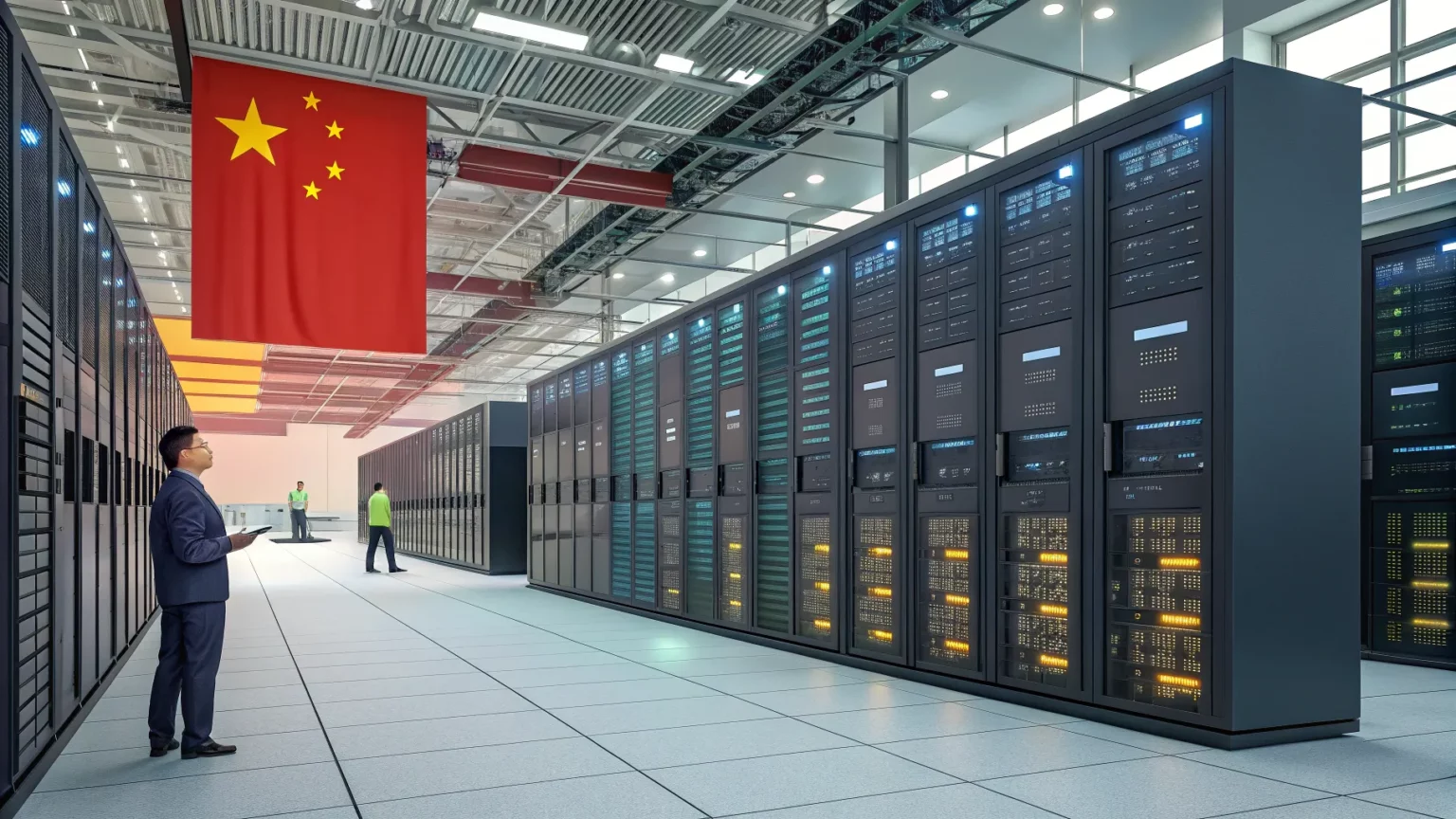
China has declared data centers and computing clusters as national priorities. Provincial governments have steered projects to regions with cooler climates and access to power. State-backed financing and streamlined approvals help bring sites online faster.
At the same time, export controls have limited China’s access to Nvidia’s most advanced chips. Chinese firms are developing alternatives and optimizing software to stretch available hardware. The question is whether faster construction and ample power can offset chip limits.


Industry Response and Possible Fixes
Cloud providers and chip companies are seeking short-term workarounds. Some are shifting workloads to regions with available power. Others are experimenting with liquid cooling to reduce energy use. Efficiency gains help, but do not replace the need for more capacity.
Policy ideas under discussion include streamlined siting for transmission, incentives for grid-scale storage, and faster permitting for upgrades at existing facilities. Utilities are proposing new substations and lines near planned campuses. Communities want assurances on local benefits and environmental safeguards.
What’s at Stake for the U.S.
AI capability depends on three inputs: compute, data, and power. The U.S. leads in AI research and has deep capital markets. But that advantage can erode if power and facilities lag. Huang’s warning reflects concern that timing, not technology, could decide the outcome.
Analysts say the next two to three years will be decisive. Companies that secure power and land now will shape where new jobs, suppliers, and research clusters form. Regions able to deliver reliable electricity will attract the largest investments.
The balance of evidence points to a simple tradeoff. Fast approvals and new grid capacity can keep the U.S. competitive. Continued delays hand an edge to faster-moving rivals.
Huang’s remarks sharpen the focus on infrastructure over hype. The path forward is clear: build reliable power, expedite responsible siting, and expand transmission. The pace of that work will reveal who leads the next wave of AI. Watch for grid projects, interconnection reforms, and where hyperscalers choose to break ground in the year ahead.