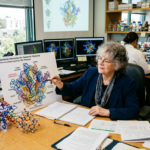




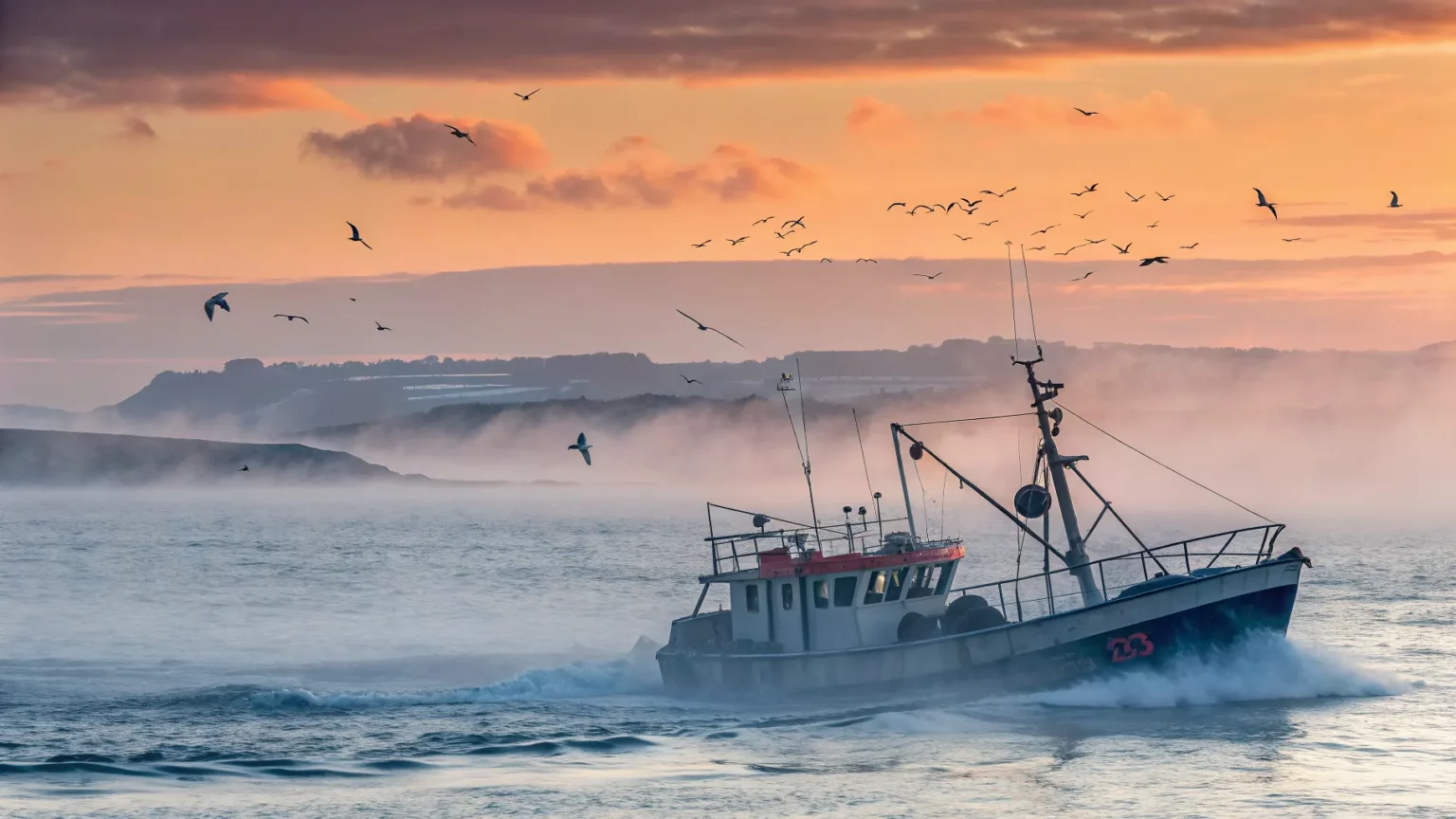
A staffing shakeup at a federal science agency has sparked concern across coastal communities. In the Southeast and the Gulf of Mexico, the loss of one experienced monitor of fish stocks, Ana Vaz, has raised fresh questions about the strength of data used to set fishing limits and protect jobs on the water.
Vaz, a fisheries specialist, tracked key species that support commercial and recreational fishing. She worked for the National Oceanic and Atmospheric Administration until she was laid off, leaving a gap in a field where continuity and expertise matter. Her job focused on the waters off the Southeast and the Gulf, where catch limits depend on steady stock assessments and surveys.
Ana Vaz monitored crucial fish stocks in the Southeast and the Gulf of Mexico until she lost her job at NOAA.
A Job Loss With Ripple Effects
The departure of a single scientist can slow complex work. Fisheries assessments rely on years of sampling, models, and field experience. Losing staff can delay surveys or limit how often data are updated.
In these waters, stock assessments inform rules under the Magnuson-Stevens Act, the law that governs U.S. fisheries. Managers use this science to set annual catch limits. Those decisions affect everything from charter boat calendars to seafood prices at the dock.
Local captains, processors, and conservation groups depend on clear, up-to-date numbers. When staffing dips, confidence in the timing and accuracy of those numbers can slip too.
Why Stock Monitoring Matters
The Southeast and the Gulf support some of the country’s most valuable fisheries. Regular surveys track trends in abundance and habitat, which helps managers balance catch with recovery.
- Reef fish such as red snapper and grouper drive charter trips and dockside sales.
- Shrimp fleets rely on bycatch rules tied to stock conditions.
- King mackerel, amberjack, and other pelagics draw anglers and tourism dollars.
Stock assessments are not just math. They blend trawl data, acoustic surveys, fishery observer reports, and biological samples. Consistent staffing keeps those pieces aligned and helps researchers spot sudden changes, such as shifts in migration or size at maturity.
Strains on Science and Industry
Scientists say the Gulf and Southeast pose special challenges. Storms can disrupt survey schedules. Warming waters and harmful algal blooms can shift fish distribution. When teams are short-staffed, it gets harder to separate real ecological change from gaps in data.



Fishing groups often push for more frequent updates when stocks appear to rebound. Environmental advocates press for caution when data are thin. Both sides agree that decisions should rest on steady data and transparent methods.
Federal officials have said in past budget cycles that they try to shield core science from cuts. Yet hiring pauses or contract changes can still create turnover. When an experienced scientist like Vaz leaves, the learning curve for replacements can be steep.
What’s at Stake for Coastal Communities
Jobs on boats, at docks, and in seafood plants depend on predictable seasons. Delayed or outdated assessments can lead to conservative limits, frustrating fishermen who see more fish on the water. On the other hand, weak data can also lead to overestimates and later closures when catches overshoot targets.
Tourism is tied to the same cycle. Charter operators book months ahead. Uncertain seasons can mean canceled trips and lost income for guides, marinas, and hotels.
Strong science helps avoid boom-and-bust patterns. It supports steady catches, healthier stocks, and safer long-term planning.
Looking Ahead
Vaz’s exit spotlights a wider issue: staffing resilience in public science. The work is technical and time-sensitive, and the stakes are high for coastal economies. Rebuilding capacity can take months, even when funding is available.
Several steps could help limit the fallout:
- Protect core survey schedules and publish any changes early.
- Expand partnerships with universities and state agencies to fill data gaps.
- Keep stakeholders informed about staffing and timelines for key assessments.
As the next assessment cycles approach, fishermen and conservation groups will watch for signs that surveys stay on track. The future of vital species, and the jobs tied to them, hinges on stable teams and steady data. The loss of one scientist will not halt the work, but it is a clear warning that staffing decisions on land can shape outcomes at sea.