




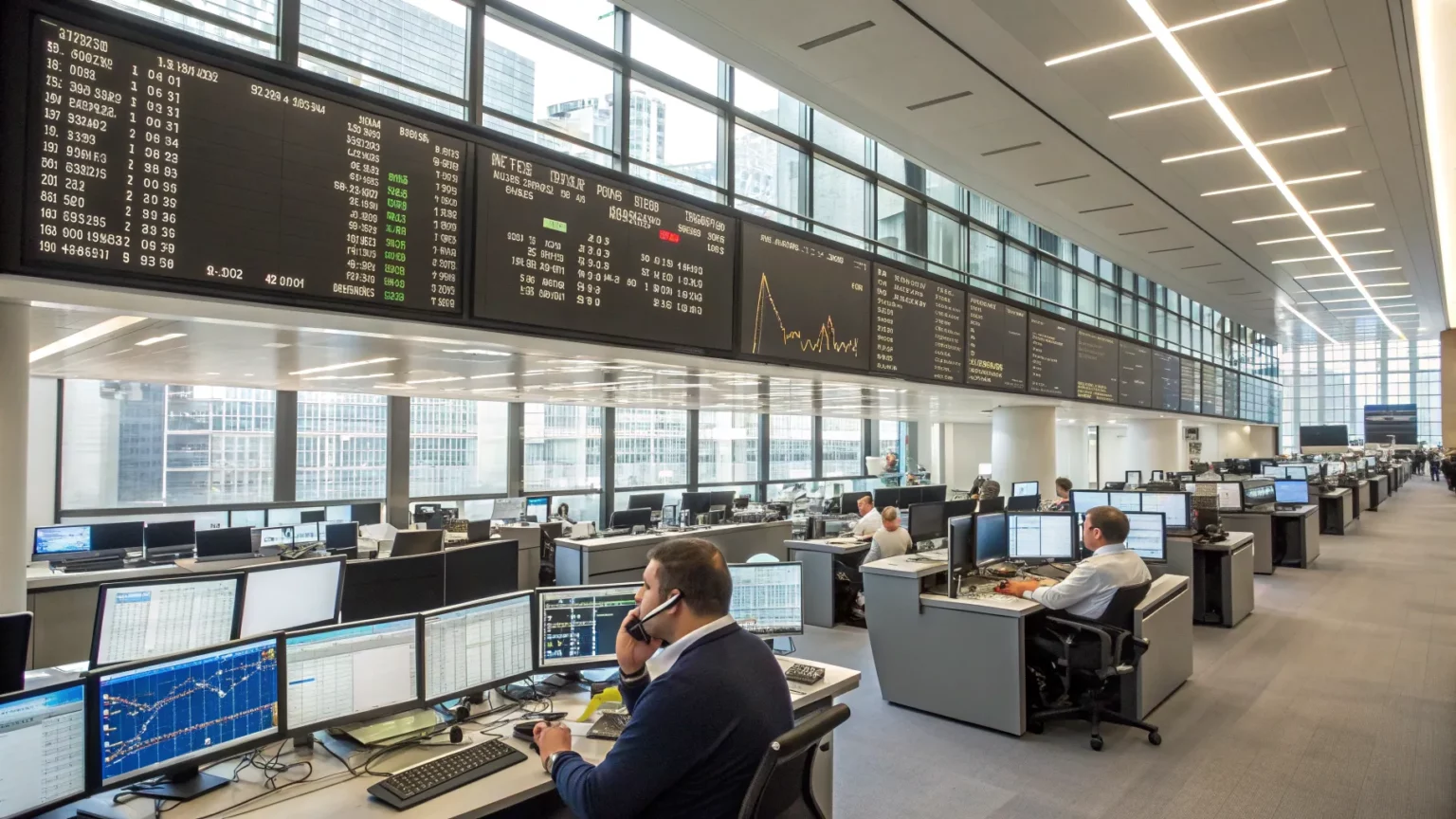
A major stock exchange has asked regulators for permission to run a 23-hour session on weekdays, a move that could reshape how and when investors trade. The exchange submitted the request this week, seeking approval to keep the market open nearly around the clock from Monday to Friday to meet demand from global and retail investors. The proposal aims to expand access and align with markets that already trade most of the day.
“The stock exchange asked regulators to let it stay open 23 hours on weekdays.”
The request signals growing pressure on equity markets to adapt to investors who trade across time zones and react to news outside the traditional day. It also raises questions about liquidity, investor protection, staffing, and technology resilience.
Why Longer Hours Are Back on the Table
U.S. stock trading is built around a core session from 9:30 a.m. to 4 p.m. Eastern Time. Many brokers offer premarket and after-hours trading, but activity is thin and spreads are wider. In contrast, futures on major indexes trade nearly 23 hours a day on venues such as CME Group. Some options products also run overnight sessions during the workweek.
The exchange’s request reflects several pressures. Corporate news often breaks before dawn or late at night. Global investors in Europe and Asia want to trade U.S. stocks when they are awake. Retail traders now expect constant access, shaped by crypto markets that trade 24/7.
Supporters argue that longer hours could improve price discovery when news hits and reduce the rush at the open. More time on the clock could also allow institutions to spread out large orders.
Concerns Over Liquidity and Investor Risk
Critics warn that longer hours could dilute liquidity by spreading it too thin. Market makers may be slower to quote at 2 a.m., which can lead to wider spreads and more volatile moves on small orders. There are also questions about whether overnight trading benefits only the most sophisticated players.
Regulators will likely examine how the plan handles surveillance, outages, and system stress. Brokers and clearing firms may need upgrades to manage risk, margin, and customer service through the night. Worker schedules and fatigue are practical concerns for trading floors and technology teams.
- Liquidity: Off-hours trading currently accounts for a small slice of total volume.
- Spreads: Quotes tend to be wider outside the core session.
- Surveillance: Monitoring for manipulation and errors would have to run nonstop.
- Operations: Staffing, compliance, and technology support would need to extend overnight.
Global Competition and Market Structure
Global competition is a factor. Several major markets offer extended sessions, and derivatives trade nearly around the clock. The exchange’s request can be seen as an effort to keep U.S. equities relevant for international participants. Longer hours may also attract cross-asset strategies that link stocks with futures, options, and exchange-traded funds.



Still, market structure is complex. Auctions at the open and close concentrate volume and help set reference prices for funds and indexes. Expanding hours without undermining those key events will be a central design challenge.
What Investors and Companies Could Expect
If approved, companies might time earnings releases and guidance for the expanded window. Exchange-traded funds would have more flexibility to respond to global moves. Retail traders could act on news without waiting for the bell, though they may face thinner liquidity and higher execution risk.
For institutions, a longer session could spread trading across more time, easing pressure on the opening and closing minutes. But they will watch closely to see if overnight depth is sufficient for large orders.
The Regulatory Path Ahead
The proposal will go through a public review. Regulators will weigh the benefits of access against the risks of thin markets and system strain. They may request safeguards, such as price bands, alert thresholds, and clear disclosures to warn investors about off-peak risks.
The exchange did not outline an exact timetable in the request that became public. Any approval could come with staged rollouts, starting with a subset of securities and limited features to test stability.
The push for 23-hour trading shows how equity markets are adjusting to round-the-clock news and global demand. If approved, the change could offer flexibility and convenience, but it will test how well markets handle risk in the dead of night. Investors should watch for the details: which stocks are included, what protections will apply, and how liquidity holds up when the screens never go dark.