




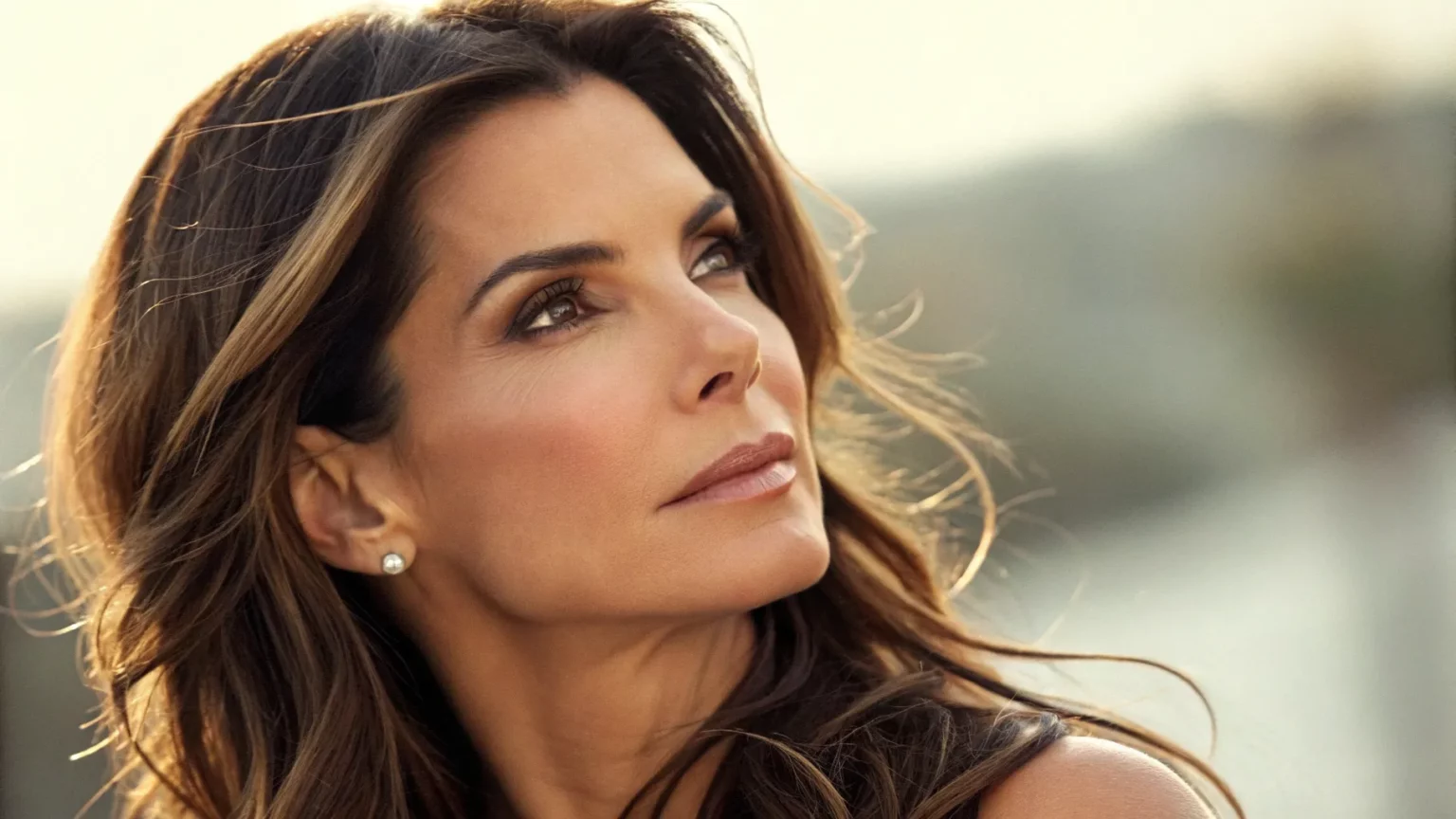
Sandra Bullock’s image is once again at the center of a cultural flashpoint. The Oscar-winning actor’s enduring success is sparking fresh debate over how Hollywood shapes beauty and age in public life. The conversation hits on who benefits, who pays, and why change still moves slowly in an industry built on appearances.
The moment lands as awards campaigns and holiday releases put star power under a spotlight. Fans cheer Bullock’s staying power. Critics point to the narrow template women still face on screen and on red carpets. The friction speaks to a larger question: how far has the business of fame actually moved on gender expectations?
“Sandra Bullock remains beloved, beautiful and bankable. But her aesthetic embodies the kinds of intense cultural pressures no well-meaning hashtag has been able to lessen.”
A Career That Redefined the “Leading Lady”
Bullock built her name on speed, wit, and timing. Hits like Speed and Miss Congeniality made her a household name in the 1990s and 2000s. She then expanded into drama, winning an Academy Award for The Blind Side and drawing global audiences with Gravity and Bird Box.
Her appeal is tied to a public image that feels familiar and aspirational. She plays smart, competent women who get things done. The work is varied. The look, however, has rarely slipped outside Hollywood’s narrow frame for women in lead roles.
The Beauty Trap That Won’t Let Go
Industry veterans say the pressure is relentless. Women are expected to look ageless, camera-ready, and marketable through every phase of a career. That pressure extends to hair, skin, wardrobe, and fitness. It can also affect what roles get offered and who gets financed.
On social media, supportive slogans trend during awards season and after viral moments. Yet publicists and stylists still operate inside a system that rewards the same limited standard. The result is a polished image that can feel empowering and confining at once.
- Prolonged scrutiny of age and appearance
- Limited roles for women past a certain age
- Marketing that favors “safe” aesthetics
What Audiences Are Saying
Fans praise Bullock for her range and for avoiding public drama. Many argue that her durability shows skill and discipline. Others point out that admiration and pressure can coexist. The industry still ties a woman’s earning power to how closely she mirrors a preferred look.
As one observer put it, the tension is baked in. The star thrives in a system that elevates her, while the same system narrows the runway for others. That duality keeps the debate alive each time a new project drops or a red-carpet photo circulates.


Hashtags vs. Hard Habits
Activist campaigns have pushed for broader casting and more honest depictions of aging. Progress exists, but the habits of studios, sponsors, and award voters shift slowly. Change is easier when it aligns with revenue forecasts and brand deals.
In recent years, some prestige projects have centered older women and more varied looks. But those gains remain uneven. Romantic leads skew young. Comedy roles can lean into stereotypes. And marketing teams still test posters where familiar faces get digital touch-ups.
The Money Question
“Bankable” is a keyword in this story. Bullock’s name on a poster helps greenlight projects. That leverage is rare. It also shows how beauty and commerce lock together in film and streaming. The cycle rewards what sells, then uses sales to justify more of the same.
When one star meets that narrow mold, it can crowd out riskier choices. Younger actors, especially women of color and women over 40, face even steeper odds. Box office narratives often reflect this loop: safe bets win more chances; fresh looks fight for one.
What Could Break the Pattern
Insiders point to three practical levers that move the needle:
- Greenlighting more mid-budget films led by women across ages
- Contract terms that protect actors from excessive digital alteration
- Awards campaigns that feature unretouched portraits
None of these require new slogans. They require choices that shift how success is measured. When audiences support variety, studios follow. The market, not the hashtag, closes the gap.
Bullock’s star power remains secure. The bigger story is what it reveals about an industry that still sets a high bar for how women “should” look. The next phase of progress will be measured in casting sheets, not captions. Watch for which projects get funded, how they are marketed, and whether more faces—of more ages—get to carry the story. That is where real change will show up on screen.