



Two passengers involved in a recent incident were identified as members of a nonprofit that helps Mexican children with severe burns reach treatment in Galveston, Texas. The disclosure puts a spotlight on a quiet network of medical transport, charity funding, and cross-border coordination built to save young lives. It also raises fresh attention on how fragile this support chain can be when travel plans face disruption.
Two of the passengers were from a nonprofit that provides aid to Mexican children with severe burns, including transports to a Galveston hospital.
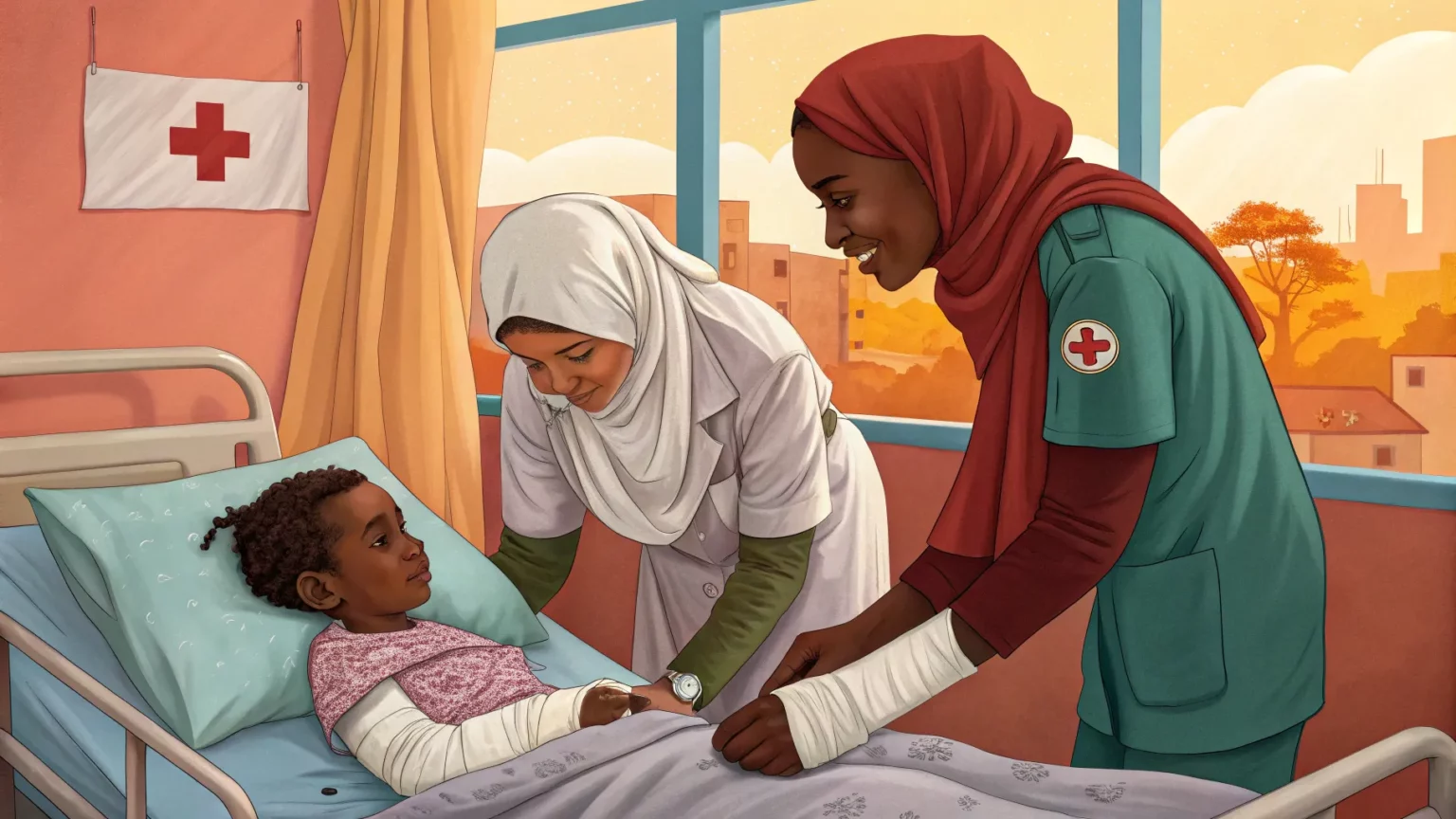
The group’s work centers on moving pediatric patients to a specialized hospital in Galveston. Families often struggle to access long-term burn care, which can require multiple surgeries and months of rehabilitation. These transports connect children to care teams equipped to handle complex injuries and recovery plans.
A Lifeline for Burned Children
Severe burns are among the most complex childhood injuries. They can lead to infections, breathing problems, and lasting trauma. For many families in Mexico, specialty care is far from home and hard to afford. Nonprofits step in by organizing travel, coordinating hospital intake, and covering key expenses.
Advocates say the help can mean the difference between lifelong disability and meaningful recovery. The nonprofits often support repeat visits, because burn care is not a single operation. It calls for follow-up surgeries, physical therapy, and emotional support for both child and family.
Galveston Hospital’s Specialized Care
Galveston is home to a pediatric hospital known for treating complex burn injuries. The teams there handle severe cases that require surgery, skin grafts, and careful infection control. They also manage long-term healing, which may involve months of therapy and scar management.
Cooperation between care teams and nonprofits helps speed medical intake. It also helps families navigate paperwork and understand treatment plans. According to those familiar with the system, coordination begins well before a child crosses the border. Physicians review records and imaging so operations can start quickly after arrival.
How Cross-Border Aid Works
Moving a child with burn injuries is not simple. Transport plans must account for pain control, wound care, and infection risks. Nonprofits work with hospitals, social workers, and transport providers to ensure travel is medically safe and timely.
- Medical clearance and documentation are arranged ahead of travel.
- Families receive guidance on visas, lodging, and follow-up schedules.
- Travel may involve ground ambulances, commercial flights, or air ambulances.
Funding often comes from donations. Costs can include medical escorts, supplies for wound care, and temporary housing near the hospital. Volunteers sometimes help with translation and childcare for siblings during long appointments.


The Human Impact and Strain on Services
Doctors and nurses describe a steady stream of cases involving hot liquids, open flames, or electrical injuries. Many happen at home. The path to recovery is long, and families rely on steady support. When travel is disrupted, a child’s surgery date can slip, and healing can stall.
Those involved in the work say the need often outpaces resources. Coordinators juggle urgent cases while trying to plan for months of therapy. Donor support helps bridge gaps, but the system is vulnerable to delays, supply shortages, and travel obstacles.
Multiple Viewpoints on a Fragile System
Supporters argue that cross-border care saves lives and reduces long-term disability. Hospital teams point to improved outcomes when children get early, specialized treatment. They also emphasize education for families to prevent future injuries.
Others stress the importance of strengthening burn prevention in local communities. They call for safer stoves, better electrical safety, and burn first-aid training. The goal is to reduce severe injuries so fewer children need international transport in the first place.
The presence of nonprofit workers among the passengers brings attention to the chain of care that supports burned children from Mexico to Texas. Their work connects families to specialized teams, even when the journey is difficult. The latest development is a reminder to watch how travel access, funding, and hospital capacity affect the timeline for care. Continued support, prevention efforts, and coordinated planning will shape what happens next for the children waiting for treatment in Galveston.