



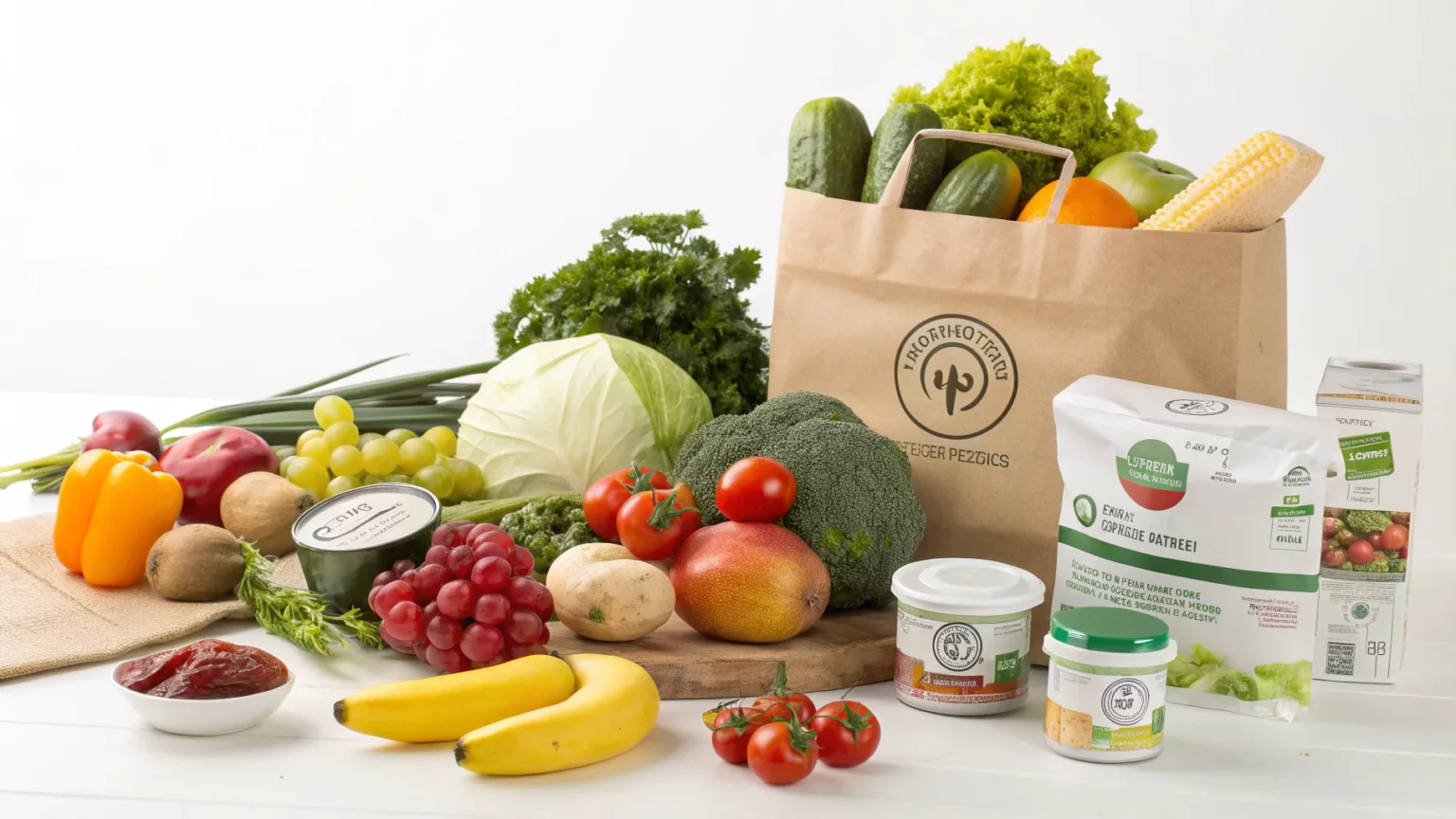
Walmart said it will remove synthetic dyes and other artificial ingredients from its private-label foods by January 2027, a move that signals a shift in how mass retailers respond to consumer concerns. The decision, announced as shoppers ask for clearer labels and simpler recipes, affects products sold nationwide and sets a clear timeline for reformulation.
The retail giant is targeting its own brands, which reach millions of households each week. The change aims to meet demand for transparency and cleaner ingredient lists, while keeping prices competitive. The company did not detail every ingredient on the list, but the commitment covers synthetic colors and a range of artificial additives.
“Walmart pledges to remove synthetic dyes and other artificial ingredients from its private-label brands by January 2027 as consumer demand for transparency grows.”
Why This Matters Now
Shoppers have pushed food makers for clearer labels for more than a decade. The “clean label” movement has encouraged companies to drop artificial colors, flavors, and preservatives. Retailers now play a larger role by setting standards for their own store brands, which often lead on price and volume.
Walmart’s private labels—such as Great Value and Sam’s Choice—fill staple categories from cereals to snacks. Store brands gained attention during recent inflation, as families looked for lower-cost options without giving up quality. By committing to ingredient changes across its labels, Walmart extends that value pitch to include perceived health and safety benefits.
Regulatory Pressure and Industry Trends
Policy shifts add urgency. California’s Food Safety Act phases out certain additives, including Red Dye No. 3, starting in 2027. Federal regulators have also moved against brominated vegetable oil and are reviewing other additives. Europe already restricts several dyes used in U.S. products. These moves push national brands and retailers toward reformulation to keep products consistent across states and markets.
Several companies cut artificial dyes in youth-focused foods over the last decade. Kraft removed artificial dyes from some macaroni products, and major restaurant chains have highlighted “no artificial colors” claims. Walmart’s nationwide reach could accelerate adoption of alternatives such as beet juice, turmeric, paprika, and spirulina for color, and flavor changes that do not rely on synthetic compounds.
What Changes for Shoppers
Shoppers should expect packaging updates, reformulated recipes, and clearer labeling statements. The company will need to test new colors and flavors for stability, taste, and shelf life. Some items may shift in appearance as synthetic dyes are replaced by plant-based colorants.
- Brands likely affected: Great Value, Sam’s Choice, Marketside, Parent’s Choice, Equate (for ingestible items).
- Categories: snacks, beverages, cereals, baking, condiments, and pantry staples.
- Labels: more “no artificial colors” and “no artificial flavors” claims.
Price remains a key concern for Walmart’s shoppers. The retailer will aim to keep costs low while reformulating at scale. Supply contracts and ingredient sourcing will play a major role in controlling price swings.



Challenges for Suppliers
Reformulation is complex. Suppliers must find replacements that match color, taste, and texture without raising costs sharply. Natural colorants can fade under heat or light. That requires changes to processing, packaging, or distribution to maintain quality.
Smaller co-packers may face added testing and certification costs. Some may need new equipment or adjusted recipes. Retailers often set phased targets and conduct sensory testing to limit disruptions. Meeting the January 2027 deadline will require tight coordination across hundreds of products.
Health and Safety Debate
Consumer groups argue that artificial dyes can affect behavior in children and may cause allergic reactions in some people. They have pushed for warning labels or bans. Industry groups say approved additives meet safety standards when used as directed.
With mixed research and evolving regulations, many brands are choosing removal to address shopper concerns and reduce compliance risk. Clearer ingredient lists can build trust, even when science is still debated.
What to Watch
Walmart’s timeline puts pressure on rivals to match its standard across store brands. Look for more commitments from grocers and big-box chains. National brands may shift recipes to keep up with retailer shelves and state rules. Expect a wave of reformulated items to roll out from late 2025 through 2026.
The bigger test will be taste. If shoppers do not notice differences—or prefer the updates—the shift could stick and spread. If products change in flavor or color too much, retailers may face pushback and look for improved alternatives.
Walmart’s step adds momentum to a long-running trend. It confirms that clean label promises are now part of mainstream retail, not just niche products.
The next two years will show whether suppliers can meet the deadline without raising prices or losing quality. Shoppers should watch packaging claims and ingredient panels as new batches reach stores. If the rollout goes smoothly, cleaner labels could become the standard for everyday groceries across the country.