




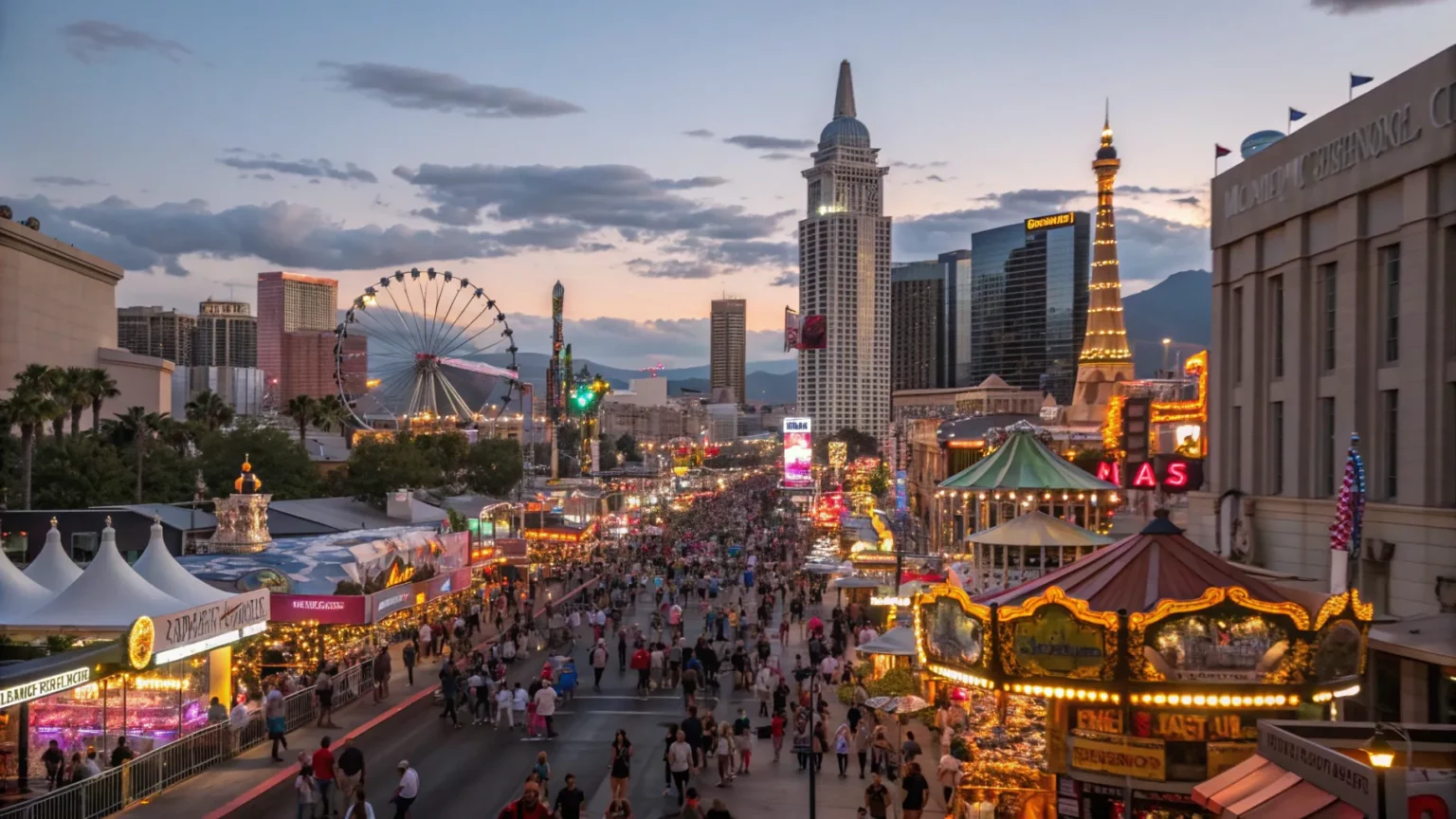
As cities vie for attention and economic growth, seasonal festivals are emerging as a key strategy to draw crowds and shape identity. From music weekends to cultural fairs, officials say the payoff arrives in full hotels, busy streets, and global media coverage. Organizers and city leaders argue the benefits are both immediate and long-term, creating repeat visits and new investment.
Background: Culture as a Draw
Local governments and tourism boards have long used events to anchor city branding. Cultural festivals, sports tournaments, and food markets help define a place. They also give visitors a reason to travel on specific dates, reducing uncertainty for airlines, hotels, and local shops.
The idea is simple and direct. As one organizer put it,
“The festive events help to put cities on the map and attract millions of tourists.”
That message aligns with a wider shift in travel. Visitors increasingly seek experiences tied to community, heritage, and music. Cities respond by investing in logistics, transit, safety, and promotion to handle sudden spikes in demand.
Economic Impact and City Branding
Event weeks concentrate spending. Hotel occupancy rises, restaurants extend hours, and ride-hailing trips surge. Local makers and vendors see higher sales. Even museums and parks report increased foot traffic before and after headliner events.
For city leaders, the brand lift matters as much as the receipts. Broad media coverage and social posts can position a city as creative, safe, and welcoming. That halo can help attract conferences, startups, and new residents. Marketing teams often focus on the “shoulder seasons,” using festivals to fill the gap between peak holidays.
- Higher occupancy and room rates for hotels
- Seasonal jobs for security, staging, and hospitality
- Stronger off-season travel demand
Costs, Trade-Offs, and Community Concerns
Large events bring trade-offs. Residents face noise, traffic, and higher short-term prices. Small businesses near event zones may benefit, while others might struggle with access or disruptions. Cities must plan street closures, waste management, and emergency services months in advance.
Funding is another pressure point. Cities mix public funds with sponsorships and ticket fees. Officials stress transparency on costs and return on investment. Without clear planning, overruns can strain budgets. Neighborhood groups often seek curfews, crowd caps, or community benefits to balance interests.



What Works: Planning and Measurement
Success depends on steady coordination among agencies, promoters, and residents. Cities that plan early can spread visitors across districts to avoid congestion. Public transit extensions and shuttle routes help. Accessible design and clear signage support safety and inclusion.
Measurement is central. Tourism offices track visitor counts, average spending, and hotel data to judge outcomes. They also assess social impact, from noise complaints to transit delays. Surveys can reveal whether first-time visitors plan to return for non-event trips.
Trends and the Road Ahead
More cities are building festival calendars that mix marquee attractions with neighborhood events. Food and craft fairs highlight local producers. Film and art programs bring longer stays and midweek traffic. Technology also plays a role, with mobile tickets, timed entries, and data dashboards to manage flows.
Sustainability is moving to the forefront. Organizers are cutting single-use plastics, improving recycling, and promoting low-emission transit. Some events now require reusable cups or offer credits for public transport. These changes can reduce cleanup costs and win public support.
Security planning is also evolving. Coordinated command centers and real-time alerts help manage crowds. Clear evacuation routes and trained staff reduce risks. Insurance and contingency funds protect against weather or last-minute cancellations.
Multiple Viewpoints
City officials see a chance to convert visitors into long-term ambassadors. Hotel managers point to predictable booking spikes. Restaurateurs cite new customers who later return. Residents call for limits on noise and better transit during peak hours. Cultural groups want stable funding and local artists on main stages.
The balance is delicate. Yet the central idea remains intact. Festivals can unlock attention and spending, if cities manage growth, protect neighborhoods, and invest in public services.
Seasonal events will likely keep shaping travel choices and civic identity. The key test is execution: clear goals, honest accounting, and respect for local life. If cities meet that test, they can turn a few busy weekends into lasting momentum.