



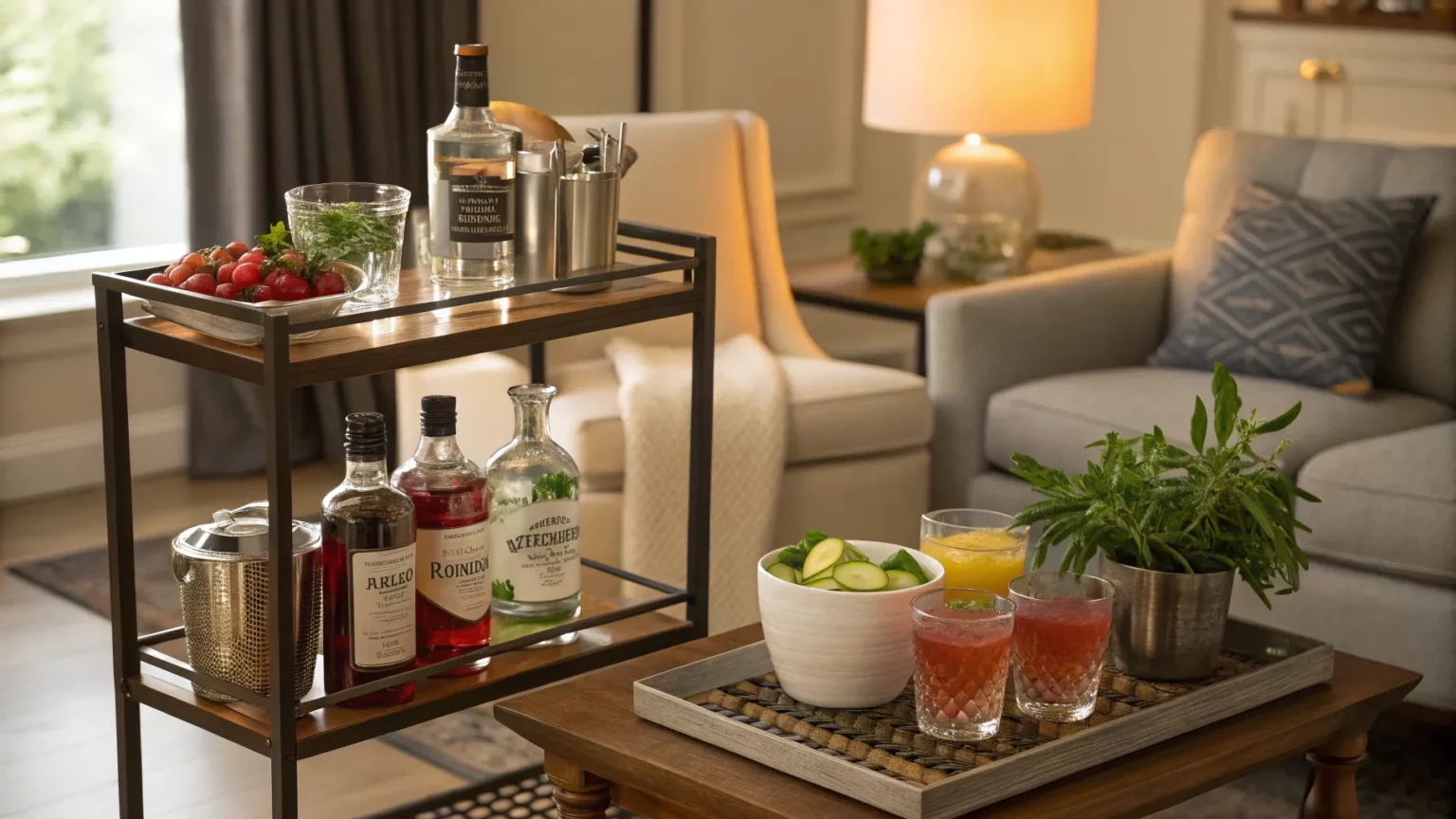
As dining rooms shut and social lives shifted, a new ritual took hold in living rooms and on porches across the country: mixing drinks at home. Restaurants helped fuel the shift by offering takeout drinks in states that made it legal during the pandemic. The Distilled Spirits Council says cocktails to go are now approved in more than 30 states, giving bars a fresh lifeline and home bartenders fresh choices.
“Cocktails are having a moment, and because of the pandemic, that moment is happening most often at home,” said Elizabeth Karmel of the Associated Press.
How Takeout Drinks Went Mainstream
Before 2020, most states tightly limited off-premise cocktails. The pandemic closed bars and restricted seating, and state lawmakers moved fast. Temporary orders and emergency laws let restaurants sell sealed drinks for pickup or delivery. According to the Distilled Spirits Council, these policies spread to more than 30 states, often with rules on lids, labels, and proof of age at handoff.
For many bars, the change offered a financial bridge. Cocktail programs are labor intensive, and margins are better than food. Takeout drinks helped cover rent and payroll when foot traffic vanished.
The trade group reported cocktails to go were “approved in more than 30 states,” signaling a major shift in how and where Americans buy mixed drinks.
Inside the At-Home Cocktail Boom
With dining out limited, people tried to recreate favorite drinks at home. Simple syrup shared counter space with sourdough starters. Margarita mixes jostled with bitters on grocery shelves. Recipe videos spread on social media, and gear sellers reported steady interest in shakers and jiggers.
Restaurants leaned in. Many bundled takeout dishes with sealed drinks or DIY kits, packed with measured spirits, mixers, and garnish. The goal was to keep staff working and keep regulars connected.
Some customers treated it like a weekly ritual. Pick up dinner, grab two negronis or a kit, and log onto a virtual happy hour. Others welcomed the convenience on big nights like birthdays and holidays when dining out was off the table.
Winners, Worries, and What Comes Next
Supporters see to-go cocktails as a low-cost way to help local restaurants. They argue the rules kept jobs in place and gave customers safe options. Many states also collected taxes that would have vanished if bars had closed for good.
Public safety groups raised concerns. They worry about open-container violations, underage access, and impaired driving. States responded with guardrails like sealed lids, tamper stickers, and ID checks on delivery.



Health officials pushed a related message during lockdowns: moderation. With more drinking at home, they warned about stress and isolation fueling higher intake.
What Changed for Restaurants and Consumers
- State laws shifted to permit sealed cocktails for pickup and, in some cases, delivery.
- Bars created mix-and-match menus, kits, and seasonal specials to keep regulars engaged.
- Home mixing grew as people looked for comfort, routine, and a little ceremony.
Will Temporary Rules Become Permanent?
Some states made their emergency allowances long term. Others extended them while lawmakers study the results. Restaurant groups argue the policy helps small businesses withstand uneven recovery and rising costs. Opponents prefer tighter limits or sunset dates tied to public health metrics.
Economists point out one side effect: at-home habits stick. Once people learn to shake a daiquiri or stir a Manhattan, they often keep doing it, even when dining out returns. That could reset how restaurants plan menus and events, with more take-home options and cocktail classes.
The Bottom Line for Drinkers and Dining
Takeout drinks gave bars a new revenue stream and gave customers new rituals at home. The policy shift covered more than 30 states, and it turned a crisis patch into a nationwide test. Lawmakers are watching safety data and business outcomes as they decide whether to keep these rules.
The next phase depends on a few simple questions. Do sealed containers and ID checks work as intended? Do restaurants still need the added sales? And do customers want to keep fetching a favorite old fashioned with their Friday takeout? Those answers will shape how Americans order, mix, and sip well after the pandemic fades.