



The United States sanctioned ten people and companies tied to Iran and Venezuela, accusing them of feeding Iran’s drone trade and missile program that Washington says threatens American forces and partners in the Middle East.
Announced in Washington, the move escalates pressure on networks that officials say move parts, financing, and expertise across borders. The action comes as Iran’s unmanned systems draw scrutiny from defense analysts and regional governments. U.S. officials framed the step as a bid to slow supply lines and warn facilitators who operate from far outside the Persian Gulf.
“Estados Unidos sancionó a diez personas y empresas de Irán y Venezuela por supuestamente contribuir al comercio de drones y al programa de misiles de Irán, lo cual, según la administración Trump, amenaza a Estados Unidos y a sus aliados en Oriente Medio.”
Why These Sanctions Now
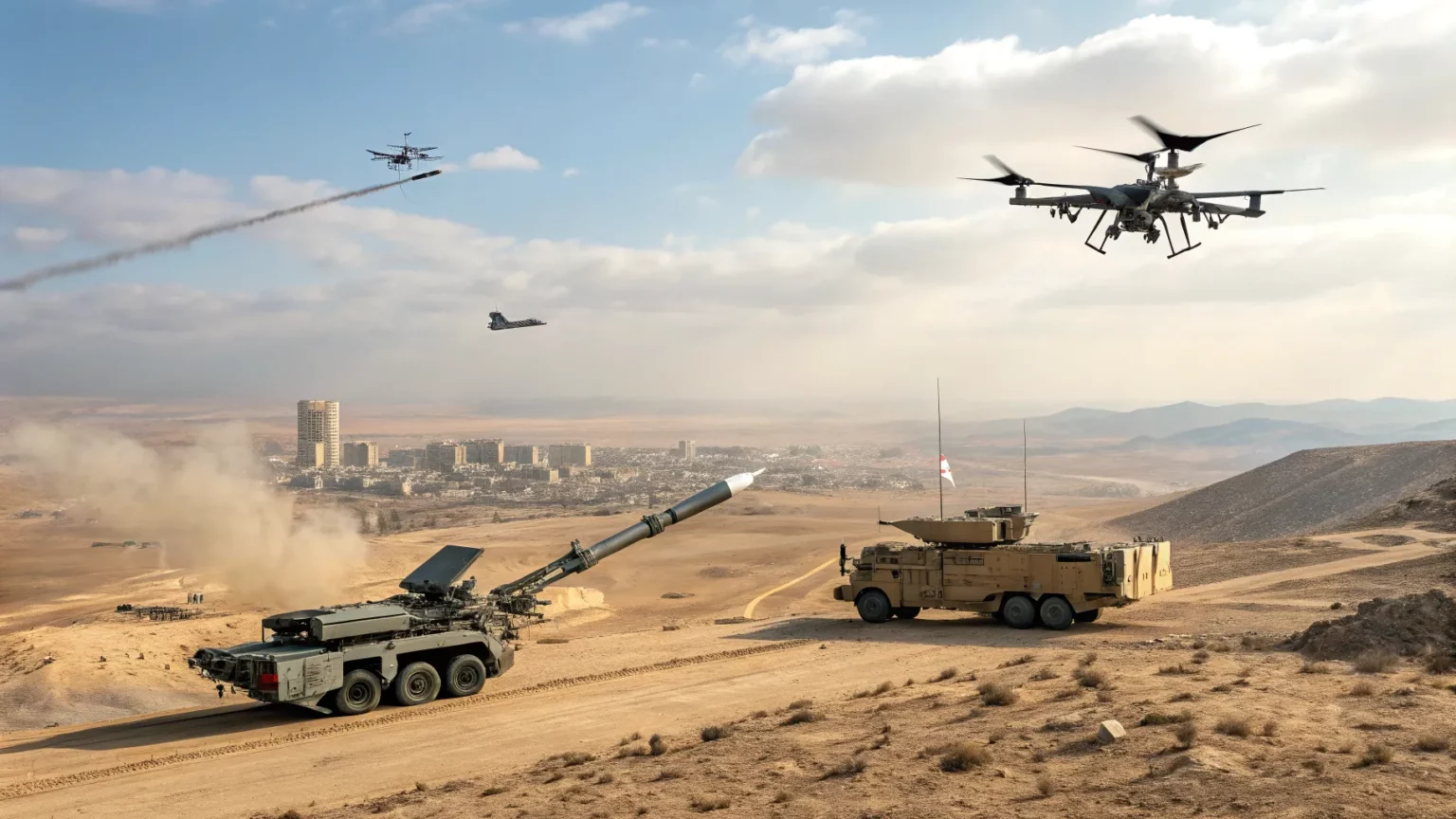
Iran’s drone industry has grown in range and reach over the past decade. Small, inexpensive systems have been used by allied groups in Yemen, Iraq, and Syria. Larger models have struck targets hundreds of miles away. Missiles remain central to Iran’s deterrence strategy, expanding accuracy and payload while sidestepping limits on conventional air power.
U.S. pressure has followed that growth. After exiting the 2015 nuclear deal in 2018, the Trump administration stacked sanctions across Iran’s defense, oil, banking, and transport sectors. Washington has since paired Treasury blacklists with export controls, trying to block the microelectronics and materials that keep production lines humming.
Venezuela enters the picture as an alleged hub and partner. Caracas has deepened ties with Tehran through fuel swaps, industrial projects, and flights connecting the two capitals. U.S. officials argue that those links, and permissive business fronts, can help move goods and funds where formal channels are closed.
Who Is Affected and How
The new penalties target individuals and firms accused of brokering parts, arranging shipments, or providing financial cover. Their names were not immediately available in public statements cited in this report, but the pattern follows prior actions by the Treasury Department’s Office of Foreign Assets Control (OFAC).
- U.S. assets of designated parties are frozen.
- American persons are barred from dealing with them.
- Secondary sanctions risk can deter non-U.S. partners from doing business with designees.
For Iran’s suppliers, the practical hit lands on banking, freight insurance, and access to specialized components. For Venezuela-based facilitators, even minor listings can chill shipping and trade relationships. Financial institutions often de-risk rather than parse narrow exceptions.
What the Record Shows
Iran-linked drones have been cited in attacks on Saudi oil facilities in 2019 and on shipping in the Gulf and Red Sea. U.S. and European officials also say Iranian models and designs have turned up with regional militias. While Tehran disputes some claims, its leaders have openly promoted domestic drone production.



Analysts say supply chains remain the weak point. Many flight controllers, chips, servos, and composites are dual-use. They are bought on global markets and rerouted through trading houses. Cutting those links can slow output and complicate field repairs, even if it rarely halts programs outright.
Competing Views and Stakes
Supporters of the sanctions argue that pressuring facilitators is one of the few tools left short of armed confrontation. They point to the cost of drone strikes on oil infrastructure and the risk to U.S. troops at regional bases.
Critics counter that sanctions can scatter activity into darker corners, making networks harder to track. They also warn that broad penalties can nudge Venezuela deeper into alignment with sanctioned states, tightening the very relationships Washington wants to pry apart.
Regional partners, including Gulf states and Israel, have urged the U.S. to blunt Iran’s unmanned systems and missiles. They see swarms and long-range precision weapons as cheap ways to punch above Iran’s economic weight. For them, anything that strains Iran’s sourcing is welcome.
What Comes Next
Expect enforcement to hinge on coordination with European and Latin American authorities. The effectiveness of these measures often depends on how quickly banks flag transactions and how willing shippers are to walk away from questionable cargo.
The bigger question is whether pressure changes behavior. Iran has adapted to years of restrictions by using front companies and alternate routes. Venezuela has shown a similar knack for improvisation under sanctions. That cat-and-mouse cycle is unlikely to end soon.
For now, the message from Washington is blunt: networks tied to Iran’s drones and missiles are fair game, even if they operate an ocean away. The reach of these programs, officials argue, is only as strong as the parts and payments that keep them airborne. Watch for follow-on designations, tighter export controls on key electronics, and more scrutiny of cargo flights connecting Tehran and Caracas.