




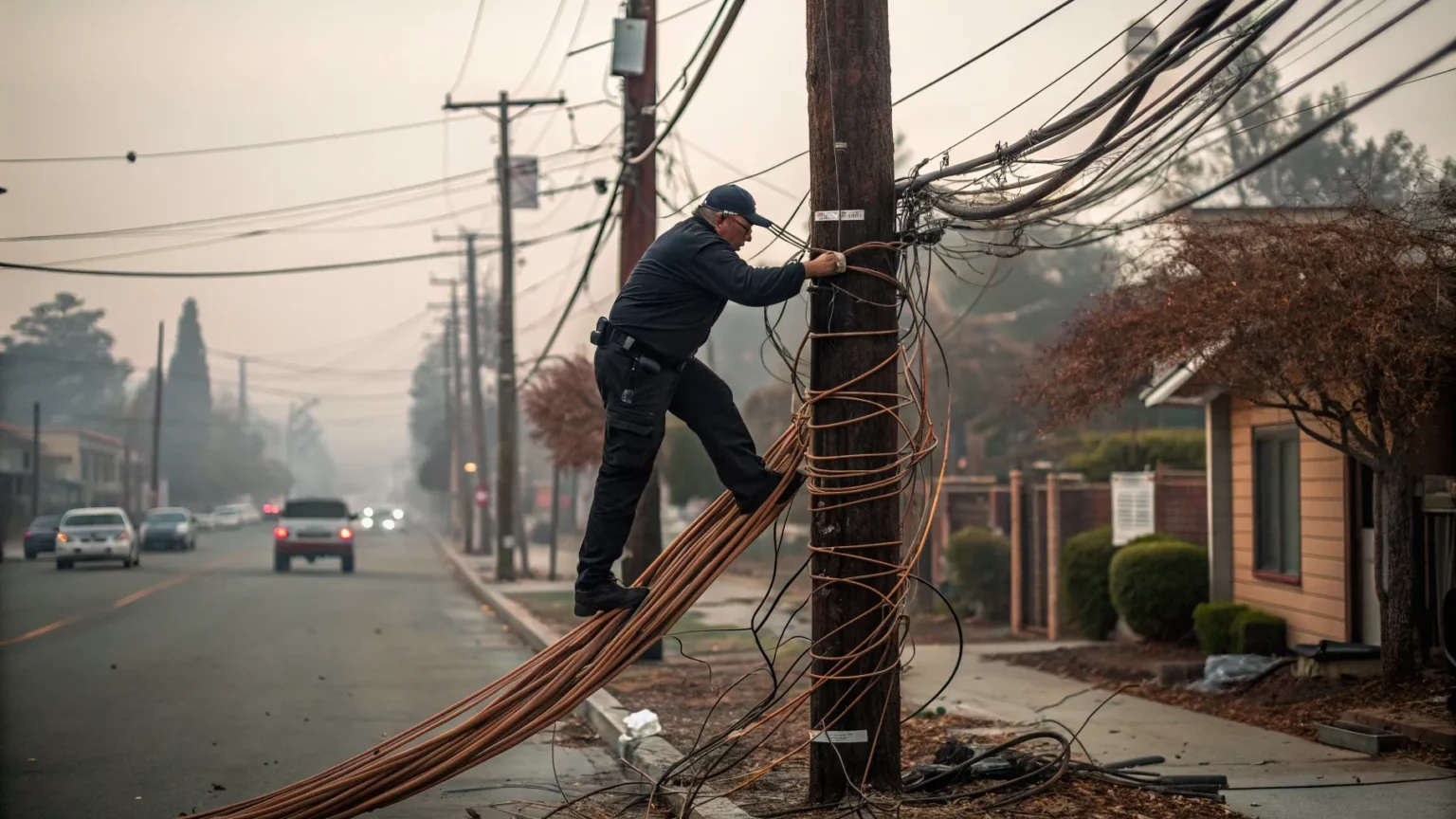
Across the United States, utilities and phone carriers are facing a surge in copper thefts that jeopardize basic service. The trend is disrupting electricity delivery and communications, raising safety concerns for communities and emergency responders. Police departments, utilities, and scrap dealers describe a steady climb in incidents as thieves target the copper wires that link neighborhoods to essential infrastructure.
The thefts are happening in cities, suburbs, and rural areas. They often occur at night and in remote locations, where thieves strip copper grounds from substations, pull lines from streetlights, or rip cables from idle or unguarded sites. The motive is simple: copper carries a high resale value, and illicit markets remain active.
“Thieves are increasingly targeting the copper wires that keep America’s power grids and phone networks running.”
Why Copper Theft Is Rising
Copper is a key industrial metal used in housing, vehicles, and electronics. Prices have trended higher in recent years, making stolen wire a quick payout. Thieves can move copper through informal buyers or by stripping insulation and selling the metal as scrap.
Law enforcement officials say many incidents involve small crews who work fast and focus on exposed equipment. Utilities add that some thefts are tied to vacant buildings, where wire is easier to access without drawing attention. Even small amounts can cause outsized damage if ground wires or junctions are cut.
Impact on Power and Phone Service
Copper theft can knock out power to homes and businesses. When grounding wires are removed from substations or poles, it can also increase the risk of equipment failure or fire. Line workers face added hazards if systems are left unprotected or booby-trapped by makeshift bypasses.
Phone and internet networks are also vulnerable. Stolen cables can sever connections for entire blocks. In some cases, outages have interfered with access to emergency services, leaving residents without reliable 911 calling. Rural areas can be hit especially hard when a single line serves a wide region.
Beyond immediate outages, repairs are costly and slow. Crews must locate damage, replace cable, and verify that systems are safe to energize. That can stretch limited maintenance budgets and divert staff from planned upgrades.
How Utilities and Police Are Responding
Utilities report using a mix of technology and policy to deter theft. Measures include better lighting, cameras, tamper-resistant enclosures, and alarms. Some companies are switching to aluminum in low-risk locations or installing copper-clad steel grounds that have lower scrap value.



Law enforcement agencies are increasing patrols near substations and construction sites. Many states require scrap yards to record seller identification, keep transaction logs, and hold material for inspection. These rules aim to make it harder to resell stolen wire.
- More site inspections and rapid-response repair teams
- Marking wire with traceable identifiers
- Public tips lines and reward programs for theft information
Scrap dealers say compliance helps, but they also warn that unlicensed buyers and online marketplaces can undercut legitimate efforts. They support stricter enforcement against brokers who knowingly handle stolen metal.
Costs, Insurance, and Community Effects
The financial toll shows up in higher operating costs and insurance claims. Replacing stolen copper is only part of the bill; damaged equipment and emergency repairs add more. Insurers may raise premiums after repeated incidents, leaving ratepayers bearing some of the burden through future pricing.
Communities feel the strain when streetlights go dark, public parks lose lighting, or traffic signals fail. Small businesses can lose inventory during power outages, and residents may face spoiled food, missed work, or medical risks when devices lose power.
What Comes Next
Experts expect thefts to track with copper prices and the availability of unguarded sites. Utilities are accelerating modernization plans that include buried lines, fiber upgrades, and designs that reduce exposed copper. Industry groups are also calling for tighter rules on resale, stronger penalties for repeat offenders, and coordinated reporting to spot patterns faster.
For now, the most effective deterrent appears to be a layered approach: harden sites, make stolen material harder to fence, and raise the risk of getting caught. Community reporting, visible enforcement, and rapid repairs can also reduce copycat incidents.
The core challenge remains clear. Copper theft threatens reliable power and communications, and it puts workers and the public at risk. Continued pressure on illicit markets, smarter infrastructure design, and steady enforcement will shape whether the trend grows or fades in the months ahead.