



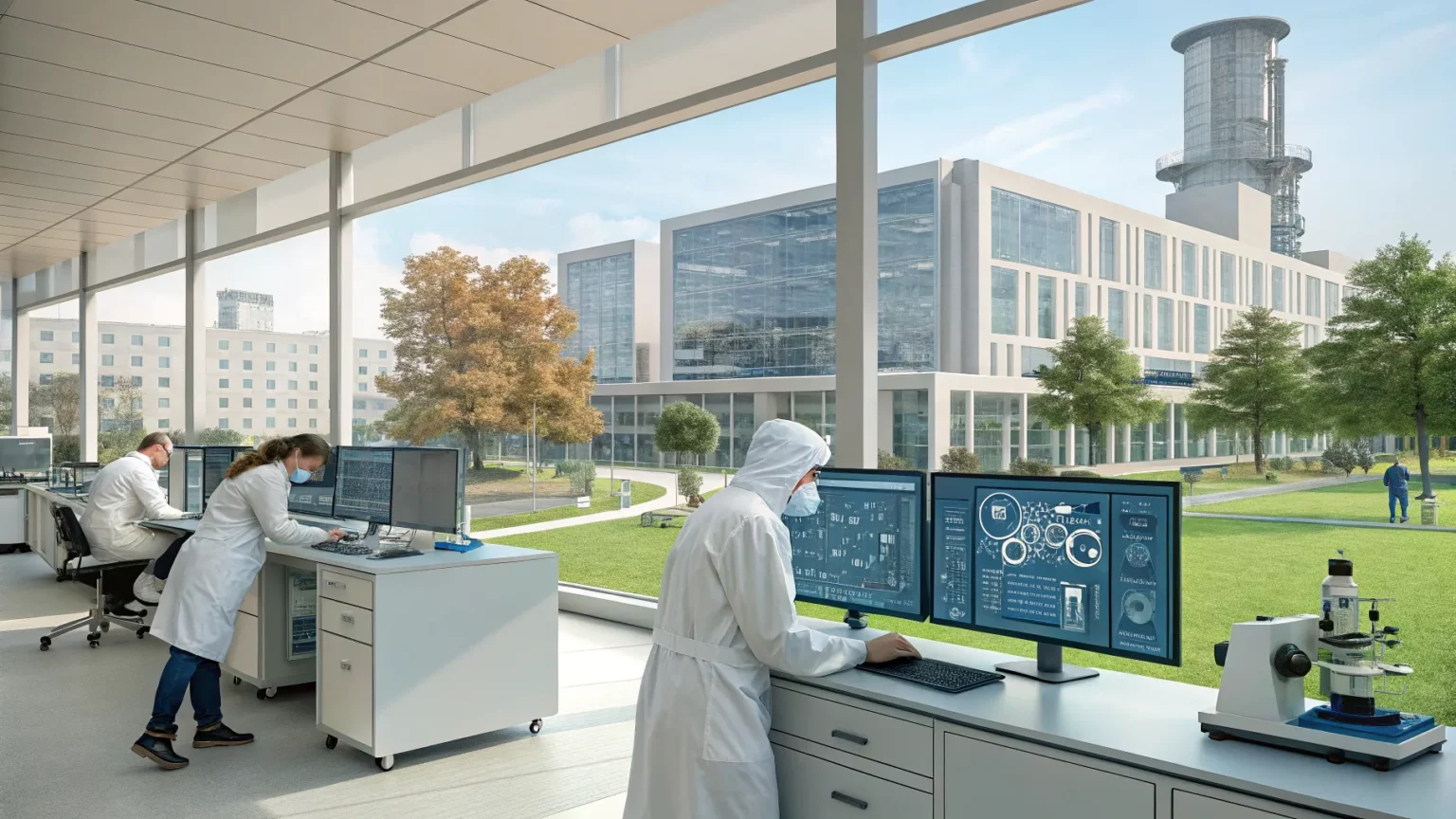
Across a major university, researchers are pushing artificial intelligence into robotics, neuroscience, and mining while keeping safeguards front and center. The effort spans labs and field sites this year, bringing new tools to long-standing problems and moving slowly where risks are high. Leaders say the work aims to deliver useful results without overpromising or rushing untested systems.
Faculty, students, and technical staff are building systems that can navigate difficult terrain, sift brain signals, and improve resource extraction. They are also setting rules for how those systems are built and used. That mix has put ethics and testing alongside code and sensors in project plans across campus.
A Cross-Disciplinary Push
The expansion is not limited to one department. Roboticists want smarter perception in uncertain environments. Neuroscientists seek patterns in data that would be hard to spot any other way. Mining engineers look for safer operations and fewer environmental harms. The shared thread is methodical progress with careful checks.
“Scholars across campus are leveraging AI to drive remarkable advancements in fields from robotics to neuroscience to mining.”
Staff describe a shift from headline-chasing demos to measured pilots. Early-stage tools now sit behind controlled gates. Teams are focusing on narrow tasks first, such as anomaly detection in sensor streams or assisted labeling of imaging data. Results then move through staged reviews before any broader release.
Promise And Risks Under Review
Researchers cite strong reasons for caution. Algorithms can carry bias from training data. Safety failures in autonomous systems can harm workers or patients. Data privacy is a constant concern in clinical and cognitive studies. Environmental stakes are high in resource projects that touch land and water.
Neuroscience teams describe strict consent and data minimization. Mining groups emphasize fail-safes and human oversight. Robotics labs test on mock sites before any real-world trial. The shared goal is to reduce unintended effects and prove reliability with evidence, not hope.
External standards are part of the plan. Guidance from organizations such as NIST and IEEE is informing evaluation methods and documentation practices. That includes testing for generalization limits and clear records of what a model can and cannot do.
How Projects Are Being Tested
Project leads describe a common playbook to keep systems in check. Small pilots come first. Metrics are agreed upon in advance. Independent reviews follow. Only then do teams expand the scope.

- Human-in-the-loop controls for sensitive decisions
- Red-team exercises to expose failure modes
- Model documentation with known constraints
- Secure data pipelines and audit logs
- Rollback plans for rapid recovery
In robotics, that can mean bounding speeds and requiring manual confirmation for high-risk moves. In neuroscience, it can mean clinical oversight and clear separation between research tools and any care decisions. In mining, it can mean shadow mode deployment that observes without controlling equipment until safety is proven.
Impact On Teaching And Jobs
The campus is also updating how students learn. Courses now stress data hygiene, evaluation, and accountability alongside code. Capstone teams are asked to define risks and success criteria in plain language. That helps new graduates enter industry with practical habits, not just models that work in a lab.
Industry partners are watching. Companies need talent that can balance speed and safety. They want tools that reduce errors, not just add automation. Joint projects give students exposure to real constraints and give employers a view of which methods hold up.
What Comes Next
Leads expect steady progress rather than sudden leaps. They plan to build evidence case by case, task by task. As tools clear hurdles, they will expand. Where results lag, teams will reassess and adjust. The approach values trust earned through testing.
The university’s message is simple. AI can help in the lab, the clinic, and the field, but guardrails matter. The next checkpoints will be independent replications, shared benchmarks, and measurable gains in safety and efficiency. Readers should watch for published evaluations, open test results, and clear statements of limits as signs that claims match reality.
For now, the campus is moving with purpose and care. Projects are scoped, monitored, and refined. If that balance holds, the work could deliver useful advances while keeping people and the environment at the center of the plan.