


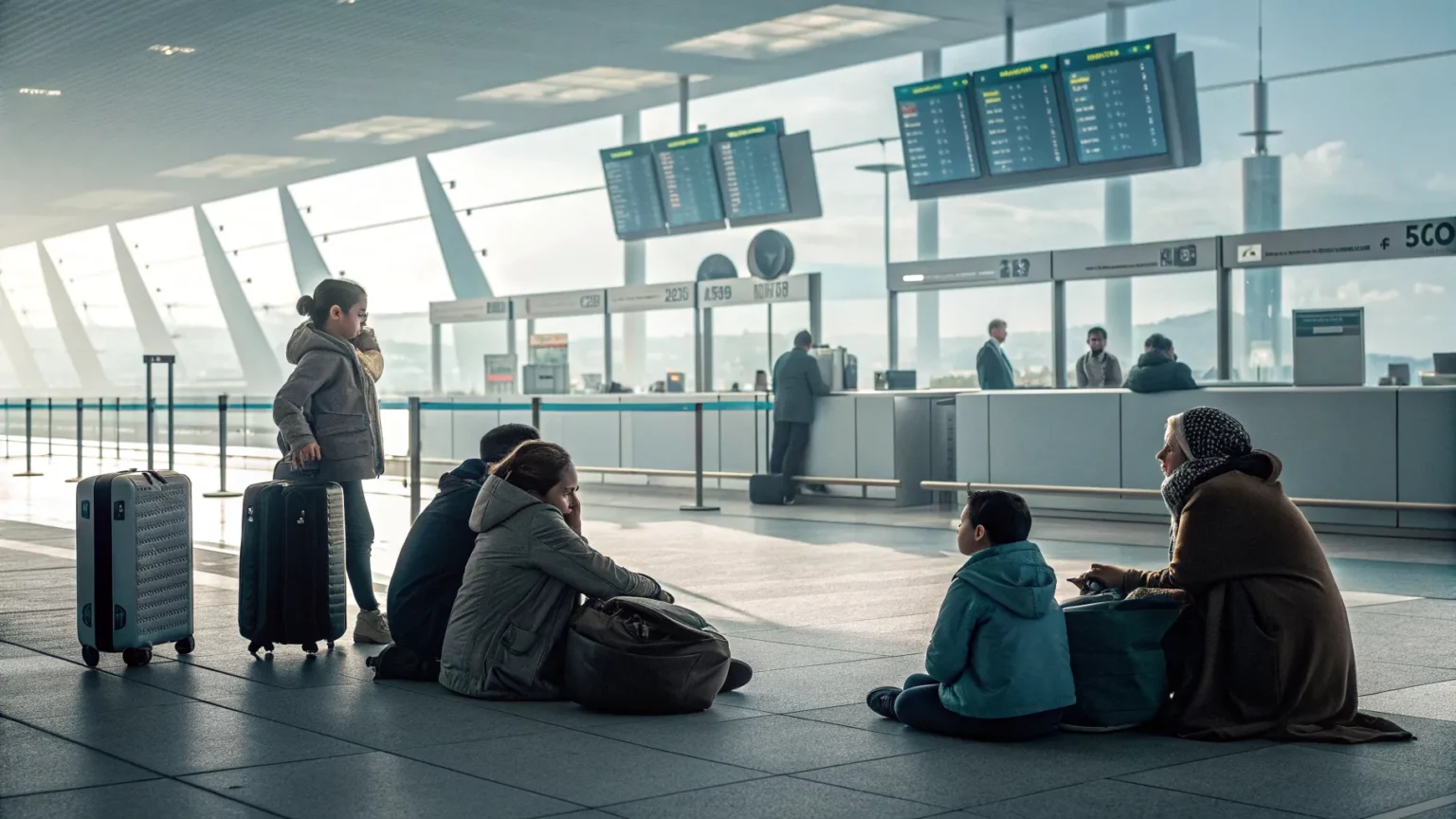
Air travel across the Caribbean and U.S. East Coast faced cascading delays and cancellations this week after news reports said Venezuelan President Nicolás Maduro was captured, leaving families stranded in Puerto Rico and scrambling for options. One mother described an unexpected night on airport floors and days of shifting rebooking notices as carriers adjusted schedules and crews.
The disruptions hit as airlines paused routes that connect Puerto Rico, the mainland United States, and Latin America. Travelers reported wait times stretching for hours, limited hotel availability near the airport, and rising costs for alternative flights. Many faced missed work, childcare gaps, and uncertain timelines.
A Family Trip Turns Into an Ordeal
The mother said her family arrived at the airport in San Juan ready to fly home, only to learn their flight was first delayed, then canceled. With competing lines at ticket counters and inconsistent app updates, they were repeatedly moved to later departures that also fell through.
She described trying to keep children calm while searching for food and places to rest. Nearby hotels filled quickly. Rental cars were scarce. The family weighed the cost of buying new tickets against waiting for airline rebooking that kept slipping.
Her account mirrors what many passengers face when sudden events trigger mass schedule changes. Vouchers, meal credits, and hotel rooms helped some. Others received partial reimbursements but struggled to find seats on new flights.
Airlines Cite Security and Crew Constraints
Airlines often reassess routes when political tensions rise, even if a flight does not pass through the affected country. Safety reviews, airspace advisories, and shifting crew schedules can lead to day-of cancellations. Puerto Rico, a key hub for Caribbean travel, is especially sensitive to ripple effects from regional news.
Carriers typically prioritize safety and legal compliance, then look at crew duty limits, aircraft positioning, and airport capacity. Those checks can create rolling delays that frustrate passengers who see available seats but cannot be cleared to board due to crew timeouts or route restrictions.
Travel Networks React to Political Shock
When a major political development hits, flight networks can change quickly. Even without direct routes to Venezuela, airlines adjust operations to avoid uncertainty. That can mean tighter connections, reduced frequencies, or temporary pauses on certain city pairs.


Puerto Rico’s role as a connector makes it vulnerable to those shifts. The strain grows when multiple airlines make similar decisions at once. Ticket systems then struggle to reassign thousands of passengers at the same time, leading to long hold times and crowded counters.
What Passengers Can Do
Travelers facing cancellations can improve their chances by moving fast and knowing their options. Airlines will usually rebook the next available flight, but that may not be the fastest path home.
- Check multiple departure airports within driving distance for earlier seats.
- Ask if rebooking on a partner airline is possible at no extra cost.
- Use the carrier’s app and social channels while also standing in line.
- Keep receipts for meals and lodging to request reimbursement where policies allow.
- Look for morning departures, which are less affected by rolling delays.
Travel insurance that covers delays and interruptions can help with extra costs, but policy language varies. Credit card travel protections may offer similar benefits, including trip interruption coverage and emergency lodging.
Rights, Limits, and Expectations
U.S. rules require refunds for canceled flights when passengers choose not to travel, but compensation for hotels and meals depends on airline policy and cause. Weather and security reviews typically fall into categories with fewer guaranteed benefits.
Passengers should review each airline’s delay and cancellation policy. Some carriers provide hotel vouchers when the cause is within their control, such as maintenance. Others offer meal credits or waiver codes to ease rebooking fees.
What Comes Next
Airlines tend to stabilize schedules a few days after a shock event. That process includes finalizing crew assignments, matching aircraft to routes, and clearing rebooking backlogs. Families like the one stuck in Puerto Rico should see more seats open as operations settle.
For now, the focus is on getting stranded travelers home and restoring predictable timetables. If the news from Venezuela prompts longer restrictions or airspace changes, more adjustments are likely. Passengers planning trips through the Caribbean should monitor airline alerts closely and consider flexible itineraries until schedules normalize.
The mother’s experience shows how fast a vacation can turn into a stressful wait. It also highlights the value of quick decisions, clear communication, and flexible plans when global events ripple through air travel. The next few days will reveal whether carriers can smooth the backlog and prevent another wave of cancellations.