




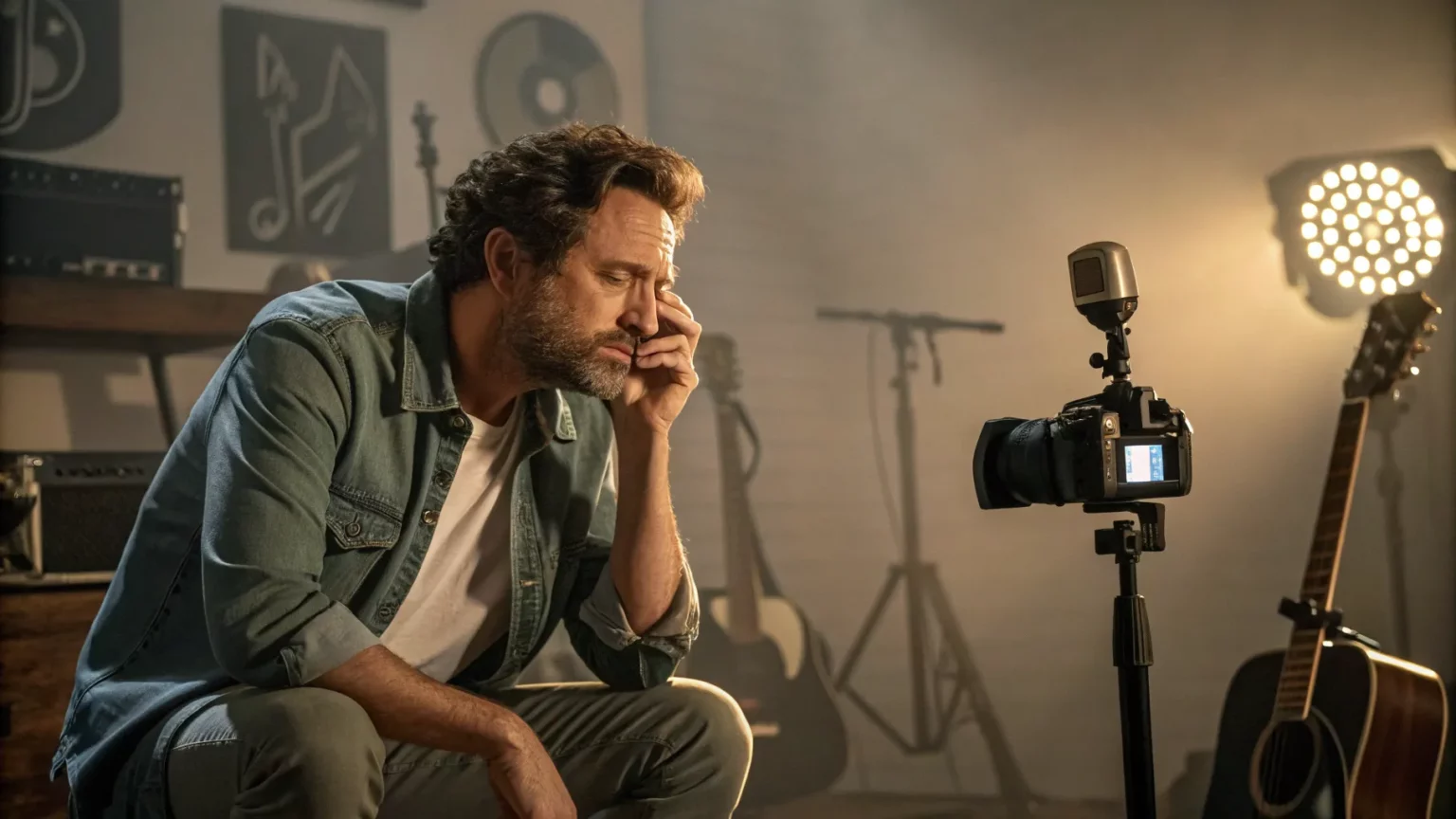
A 35-year-old actor, comedian, musician, and podcaster says he is finally learning his limits after years of juggling many jobs. His candid take lands in a moment when many performers are trying to do everything, all at once, and then some.
He has worked across film, stages, studios, and a microphone. Now he says he is rethinking how much he takes on and why that matters. The shift speaks to a wider reset in entertainment, where chasing every gig is starting to clash with health, focus, and quality.
“I think we all lie to ourselves a little bit about what we can and can’t handle.”
The Age of the Multi-Hyphenate
Over the past decade, entertainers have stacked titles as careers spread across platforms. Comics host podcasts. Musicians headline films. Actors launch production companies while touring. The idea is simple: grow reach, own more rights, and keep fans engaged.
It looks glamorous on a feed. The reality is a calendar that forgets to breathe. The streaming boom raised demand for fresh faces and new formats. Social media asks for daily content. Live events are back. The work has multiplied, while attention is still one person wide.
Stars like Donald Glover, Issa Rae, and Lady Gaga have shown that crossing lanes can boost influence and creative control. But that model also sets a high bar. Many mid-career performers now feel pressure to keep up, even when the plate is already full.
Bandwidth, Honesty, and the Limits of Grind
The 35-year-old performer frames the issue as honest self-auditing. There is the image of the tireless worker. Then there is the person, who needs sleep, time to prepare, and some room to think. The gap between the two can get wide and costly.
Agents like to say the best “yes” starts with a firm “no.” Managers point out that stacked schedules can hurt the very projects meant to raise a profile. Fans notice when the work feels rushed. So do awards voters and tour reviewers.
Health pros offer another angle. Chronic overwork increases stress and drains focus. Creative fields depend on energy and recall. Burning through both can slow a career more than a polite pass ever would.


Quality Over Quantity Becomes a Strategy
The message now gaining ground is focus. Pick lanes that fit skills and timing. Choose projects that build on each other rather than collide. It is not only self-care. It is also brand care.
- Fewer, deeper projects can raise impact and earnings per release.
- Clear windows for touring, filming, and recording reduce conflicts.
- Less noise means more space for fans to discover the work.
Many rising artists are tightening their calendars. Some are spacing album cycles. Others are locking writing rooms before greenlighting shoots. Podcasters are moving to seasons instead of weekly drops without breaks. The goal is staying sharp and staying present, not just staying busy.
Why This Moment Matters
The performer’s reflection hits a nerve because it sounds familiar to anyone balancing stacked roles. Entertainment is just a loud version of a common story. Remote work blurred lines. Side gigs turned into second jobs. The hustle promised freedom but often delivered fatigue.
There is also a money angle. Constant output once looked like the safest path. Now, smarter output looks safer. Audiences reward craft and honesty. Platforms reward retention. Both improve when the creator is not running on fumes.
If more artists say this out loud, the industry may adjust. That could mean saner production timelines, fewer overlapping promo cycles, and release plans built around energy, not only algorithms.
What to Watch Next
Expect more performers to reset workloads as they age into leadership roles. Some will launch fewer projects with better support. Others will collaborate more and carry less alone. The ones who do it well will likely set the tone for the next wave.
The 35-year-old’s admission doubles as a guide: tell the truth about what you can do right now. Then plan the work to fit. The result could be stronger art and longer careers.
For fans, the upside is clear. Less clutter. Better shows. Work that feels like it was made by someone with time to care. And for the entertainer at the center of this shift, the next act may start with a simpler word: enough.