




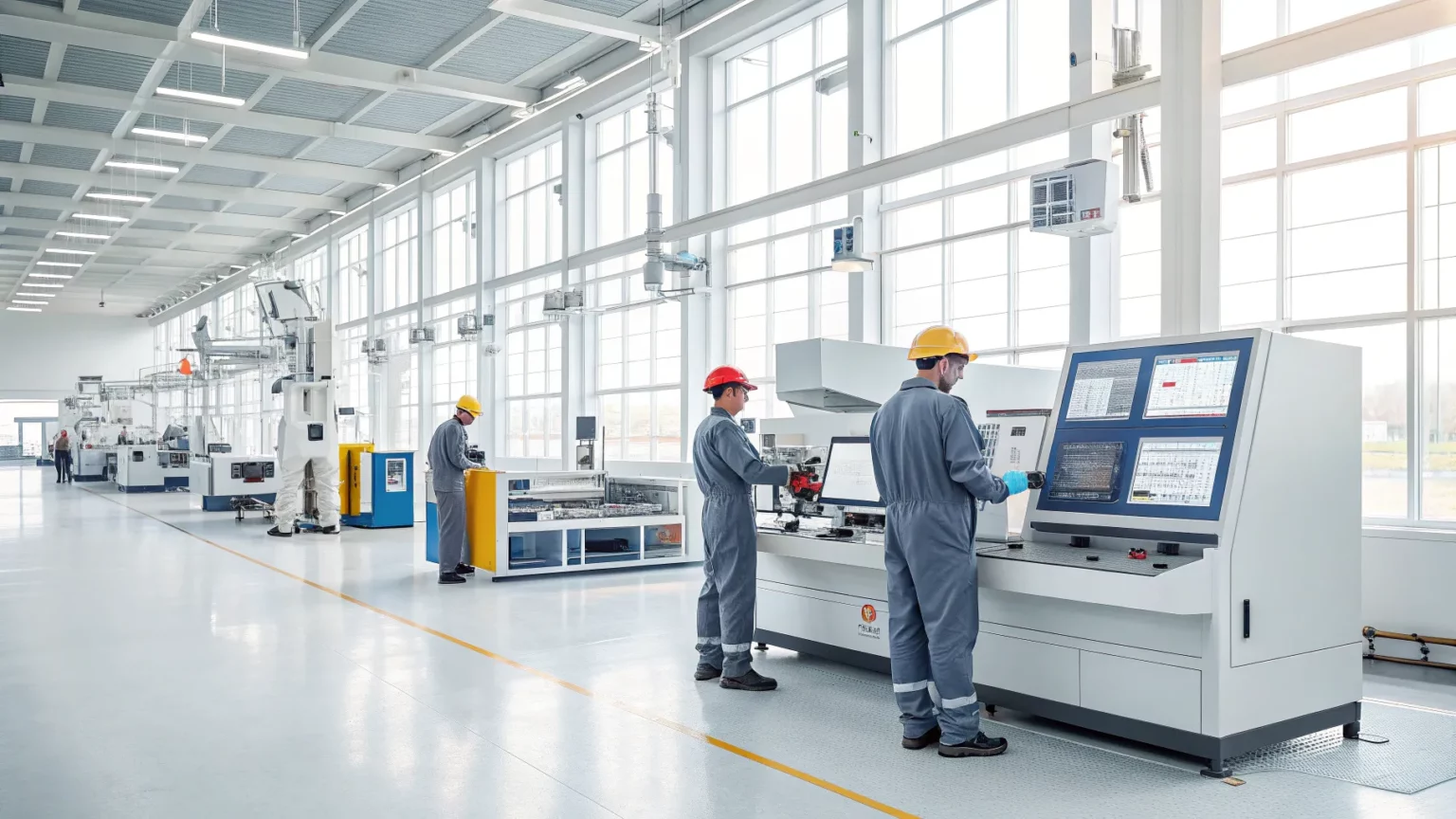
A company plans to roll out new technology at the same factory that drew national attention during a large immigration raid in 2025. The move is set to place a spotlight on worker treatment, community trust, and compliance. It also raises questions about how companies rebuild after major enforcement actions.
The firm plans to deploy the technology at the same plant that was involved in a huge immigration raid in 2025.
History Shapes the Stakes
Immigration raids can upend factories and nearby towns. Families face sudden separation. Employers face intense review of hiring and safety practices. Local schools, churches, and aid groups often step in to help children and households left behind.
Past cases show the scale of disruption. In 2019, federal agents detained 680 workers across several poultry plants in Mississippi, one of the largest single-state actions in years. In 2008, a raid in Postville, Iowa, led to hundreds of arrests and a long economic recovery for the town. Those events fueled debates about workforce screening, employer accountability, and the role of automation.
The 2025 raid linked to the plant at the center of the new rollout put similar issues back in the headlines. Community leaders commonly push for greater transparency after such events. Advocacy groups often call for clear safety standards and unbiased oversight during any operational upgrades.
What the Technology Could Mean for Workers
The company has not detailed the technology. Such deployments in manufacturing can range from automated systems to new monitoring tools or safety platforms. Each path carries different effects for workers.
- If it automates tasks, job roles could shift and training needs may rise.
- If it monitors performance or access, privacy rules and data safeguards will be key.
- If it focuses on safety, injury rates and incident reporting could improve with proper oversight.
Labor experts say the rollout plan and worker involvement matter most. Clear notice, practical training, and protections against unfair monitoring can reduce risk. Independent audits and channels for complaints can also strengthen trust.
Compliance and Community Trust
Companies that faced immigration enforcement often conduct internal reviews and update hiring practices. Tools like E-Verify and document audits are common steps. But compliance is not only a legal matter. It is also about public trust.
Local officials may ask how the technology affects job quality, scheduling, and safety. Community groups often look for open communication and support services for affected families. Worker advocates typically press for fair discipline policies and protections for whistleblowers.



Legal advisers say a clear governance plan helps. That includes written policies on data use, non-retaliation, and independent oversight. Publishing summary audit findings can further build credibility, even when full details stay confidential.
Industry Signals and What Comes Next
Manufacturers across the country are modernizing plants. Many cite efficiency, quality control, and safety as goals. After an enforcement action, upgrades also aim to reduce risk and standardize procedures.
Analysts will watch how the company measures impact. Useful markers include turnover, injury rates, overtime levels, and the number of worker complaints. Public reporting on training hours and wage growth can also show whether the changes help the workforce.
For neighbors and local leaders, community investment remains a barometer. Support for child care, transportation, and adult education often follows major disruptions. Those steps can speed recovery and improve recruitment, especially in small towns or rural areas.
Voices and Accountability
The company’s brief statement signals a high-profile test. Worker groups, immigration advocates, and industry peers will look for details on safeguards and timelines. Regulators will focus on compliance and repeat risks.
To reduce conflict, experts point to three practical steps:
- Publish a plain-language summary of the technology and its purpose.
- Offer paid training and clear appeal rights for discipline linked to new systems.
- Engage a third-party monitor and share periodic findings with the community.
The planned deployment at a plant marked by a major 2025 raid is more than a routine upgrade. It is a test of whether technology can improve operations without harming workers or eroding trust. The next few months will show how transparent the company is willing to be, what protections it puts in writing, and whether community voices shape the rollout. Watch for training commitments, independent audits, and concrete reporting on safety and job quality as early signs of progress.