




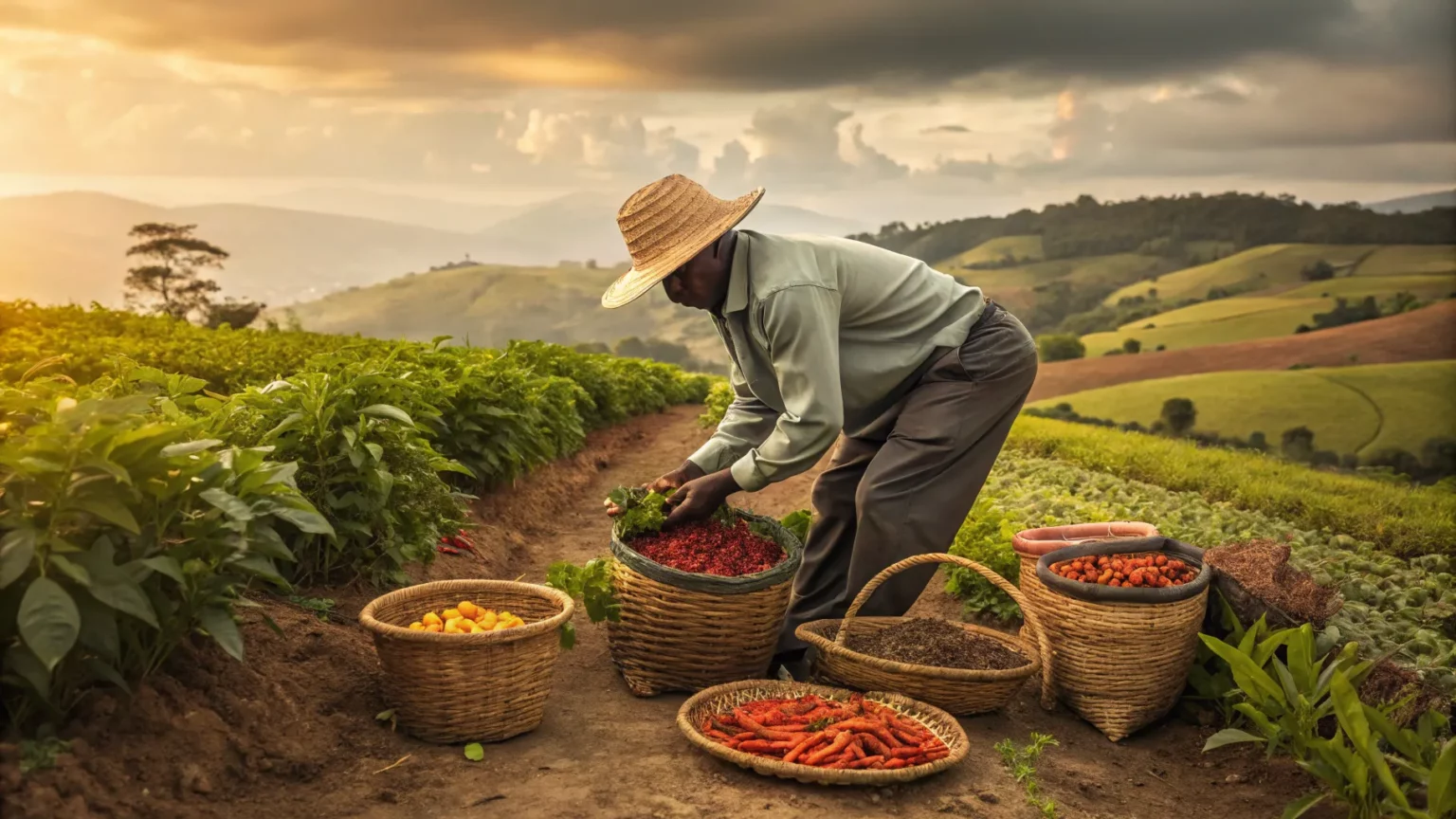
As heat and drought strain harvests worldwide, farmers and researchers are turning to time-tested seed practices to keep food supplies steady. From South Asia to the Andes, communities are selecting and preserving seeds that withstand climate swings, while scientists study how these methods can work with modern breeding. The push is gaining urgency as countries confront crop losses linked to extreme weather and water stress.
The core idea is simple: farmers choose seeds from plants that thrive in local conditions and save them for the next season. Over time, the seed adapts. Advocates say this can build resilience faster and at lower cost than waiting for new commercial varieties, especially for small farms in harsh environments.
Why Seed Diversity Matters Now
Climate shocks are arriving more often and with greater force. Droughts linger, heat waves come earlier, and storms hit harder. These events disrupt planting schedules and reduce yields. Many farmers depend on a narrow range of crops bred for uniform performance in stable conditions. That uniformity can be a weakness when weather turns erratic.
The United Nations’ Food and Agriculture Organization has warned that much of the world’s crop diversity has been lost over the past century. Less diversity makes food systems more exposed to stress. By contrast, landraces—locally adapted varieties shaped by farmers over generations—often tolerate heat, poor soils, and pests better than standard lines.
What Traditional Seed Work Looks Like
Traditional seed selection relies on close observation. Farmers save seeds from the healthiest plants that survive drought, resist disease, or mature on time. They share seed within communities and keep it cool, clean, and dry for the next season. Community seed banks store many local varieties and lend them out so farmers can test and compare performance.
“Traditional means farmers used to use for seed selection and preservation may help us cultivate more resilient food in a changing climate.”
Many Indigenous groups keep detailed knowledge about planting dates, soil signs, and seed mixing. That knowledge, paired with low-cost tools for drying and storage, can improve germination and reduce loss.
Evidence From Fields and Villages
Examples are emerging from varied regions. In India, millets have drawn fresh support after the United Nations named 2023 the International Year of Millets. Farmers point to millet’s ability to produce grain under low rainfall and high heat. In the Andes, communities maintain dozens of potato types, each suited to different altitudes and cold snaps. In East Africa, smallholders select teff and sorghum lines that hold up during dry spells.
Researchers working with farmer groups report that participatory selection—farmers and breeders choosing together—can deliver gains in one to three seasons. While not a replacement for formal breeding, these efforts can narrow the gap during climate shocks. They also keep genetic diversity in circulation, which breeders can use to develop improved lines.



Limits, Trade-Offs, and Industry Views
Traditional seeds can yield less in ideal conditions than commercial hybrids optimized for uniform fields and ample inputs. Grain size, color, and taste may not match market preferences. Seed laws and certification rules can make it hard to sell farm-saved seed. There are also costs for training, storage, and quality testing.
Seed companies note that hybrids and gene-edited crops address stress at scale and can deliver strong yields. They argue that clear rules and investment are needed to bring stress-tolerant varieties to market. Many experts say the answer is not one path, but a mix: farm-led selection for local fit, plus formal breeding for broader use.
What Would Help Now
Programs that connect field knowledge with science show promise. Extension workers can train farmers in selection methods, pest screening, and seed storage. Public breeders can run multi-location trials with farmer input and share data openly. Policy can make room for diverse seed sources while upholding safety and quality.
- Support community seed banks and farmer field schools.
- Fund participatory breeding for stress-tolerant crops.
- Update seed rules to recognize local varieties and quality standards.
- Back local seed enterprises to scale reliable supply.
Digital tools can help track traits and weather risks, while simple moisture meters and airtight containers cut storage losses. Linking these tools to traditional know-how can lift results quickly.
The push to rebuild seed diversity is a race against a warming climate. Field evidence suggests that farmer-led selection can strengthen resilience and protect yields when weather swings. The next test is policy and coordination: can governments, researchers, and seed firms align to support both local adaptation and broad access? Watch for more countries to invest in community seed systems, expand drought- and heat-tolerant breeding, and measure performance not just by yield, but by stability under stress.