



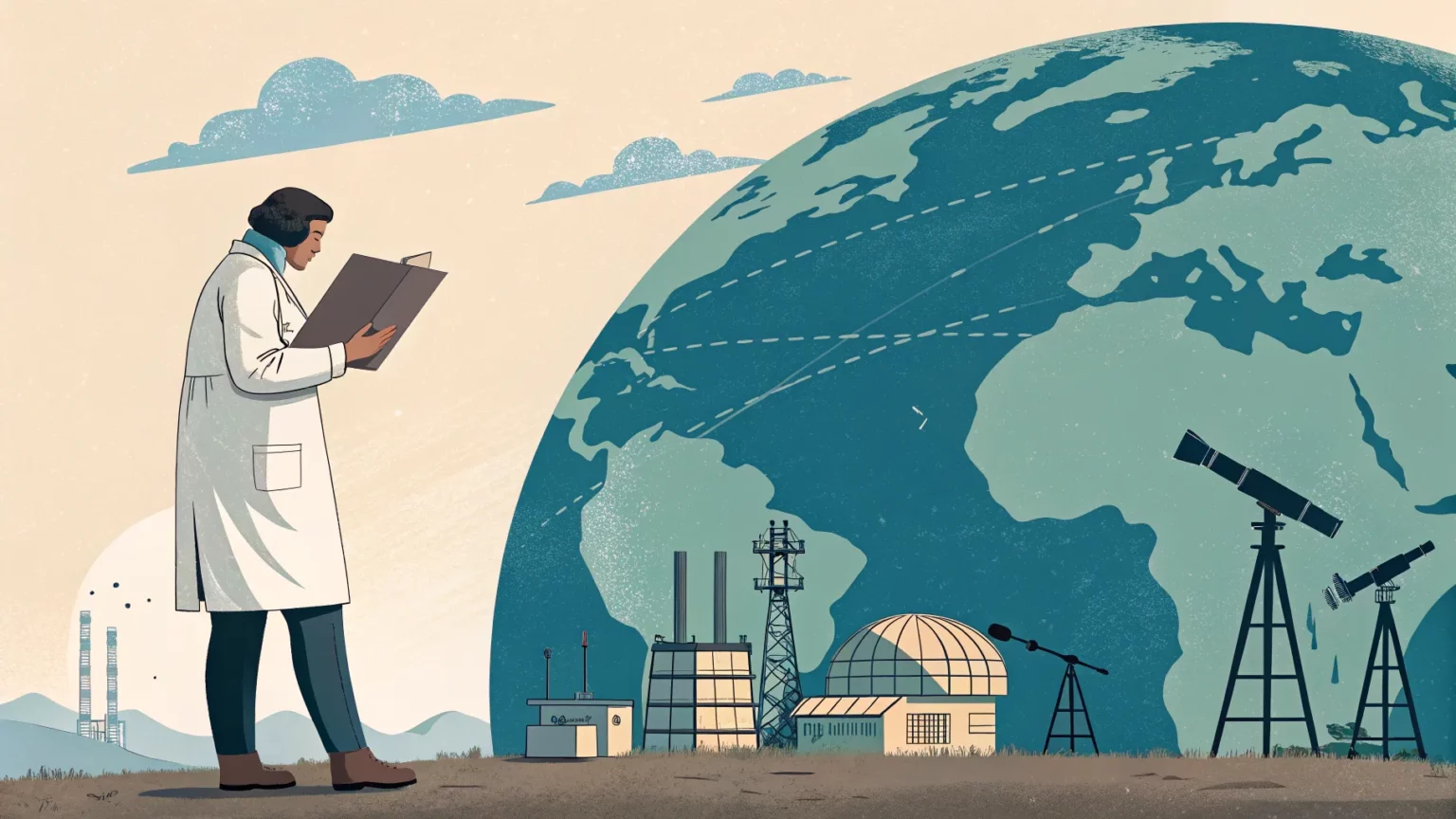
The United States is pulling back from several international collaborations that support biodiversity research, climate science, and conservation. The shift, reported by Nature, could reshape how data and expertise flow between countries and research teams. It arrives as governments weigh costs, national priorities, and the value of cross-border science.
“The United States is leaving some of the world’s oldest and most influential scientific networks involved in biodiversity research, climate science and conservation.” — Nature
The United States has long been a key funder and participant in global data-sharing efforts. These networks help track species loss, forecast climate risks, and guide conservation policy. A change in participation from such a major player could slow projects that rely on steady funding and open access to data. It could also reduce U.S. influence in setting research standards and goals.
What Is at Stake
International scientific networks stitch together field observations, satellite data, lab results, and policy research. They help researchers compare findings across borders and over time. That is essential for tracking rapid changes in ecosystems and climate patterns. When a large member withdraws, gaps can open in data coverage and leadership.
Scientists often use shared platforms to answer urgent questions. How fast are coral reefs bleaching? Where are invasive species spreading? Which regions face the most severe wildfire risk next season? Many of these answers depend on long records and common methods. Without them, trends are harder to detect and responses can be delayed.
- Loss of funding can weaken monitoring programs.
- Data access rules may tighten as memberships change.
- Shared standards can drift if key partners exit.
Why the Pullback Matters at Home
Global networks feed information back into U.S. agencies, universities, and local planners. Coastal towns use sea-level and storm data to set building codes. Farmers rely on climate outlooks to plan planting and irrigation. Wildlife managers track migrations and disease outbreaks. Reduced participation could leave communities with fewer tools, or tools that come later than needed.
There is also a strategic cost. By staying active, U.S. researchers often guide methods and quality controls. They help design studies and set targets that shape how the world responds to climate and biodiversity loss. Stepping back may limit that voice, even as other countries increase support.
Supporters and Critics
Supporters of the move may argue that federal spending should focus on domestic projects. They say many research needs can be met by national programs and partnerships. They also point to concerns over duplication and accountability in large international efforts.
Critics warn that nature and climate risks do not stop at borders. They say international networks offer scale that no single country can match. Shared databases cut costs and speed up discovery. They also argue that U.S. withdrawal could encourage other departures, weakening systems built over decades.



Possible Workarounds
Universities and private foundations may try to fill gaps. State-level agencies could join or support specific projects. U.S. teams might negotiate data-sharing agreements on a case-by-case basis. These steps can help, but they rarely replace the reach of formal memberships with stable funding and governance.
Some scientists suggest building “mirrors” of global datasets on domestic servers. That approach can protect access. But it requires agreements on updates, standards, and version control. Without coordination, data can drift apart, reducing trust and usefulness.
What to Watch Next
Key questions remain. Which networks are affected? How much funding will be withdrawn? Will U.S. agencies set up alternative channels to keep data flowing? The answers will show how deep the impact may go. They will also signal whether the United States seeks new terms for cooperation or plans a longer break.
Other governments and NGOs may respond by reshaping governance to keep projects on track. If that happens, gaps in funding or leadership could close over time. But transitions take effort and can slow research when the need for clarity is growing.
The reported withdrawal marks a notable turn in U.S. engagement with global science. It could affect how quickly researchers detect risks and inform policy. For now, researchers and policymakers will watch for official details, proposals to maintain access, and signals from partners. The next steps will determine whether this shift is a short pause or a lasting change in how the world works together on nature and climate.