




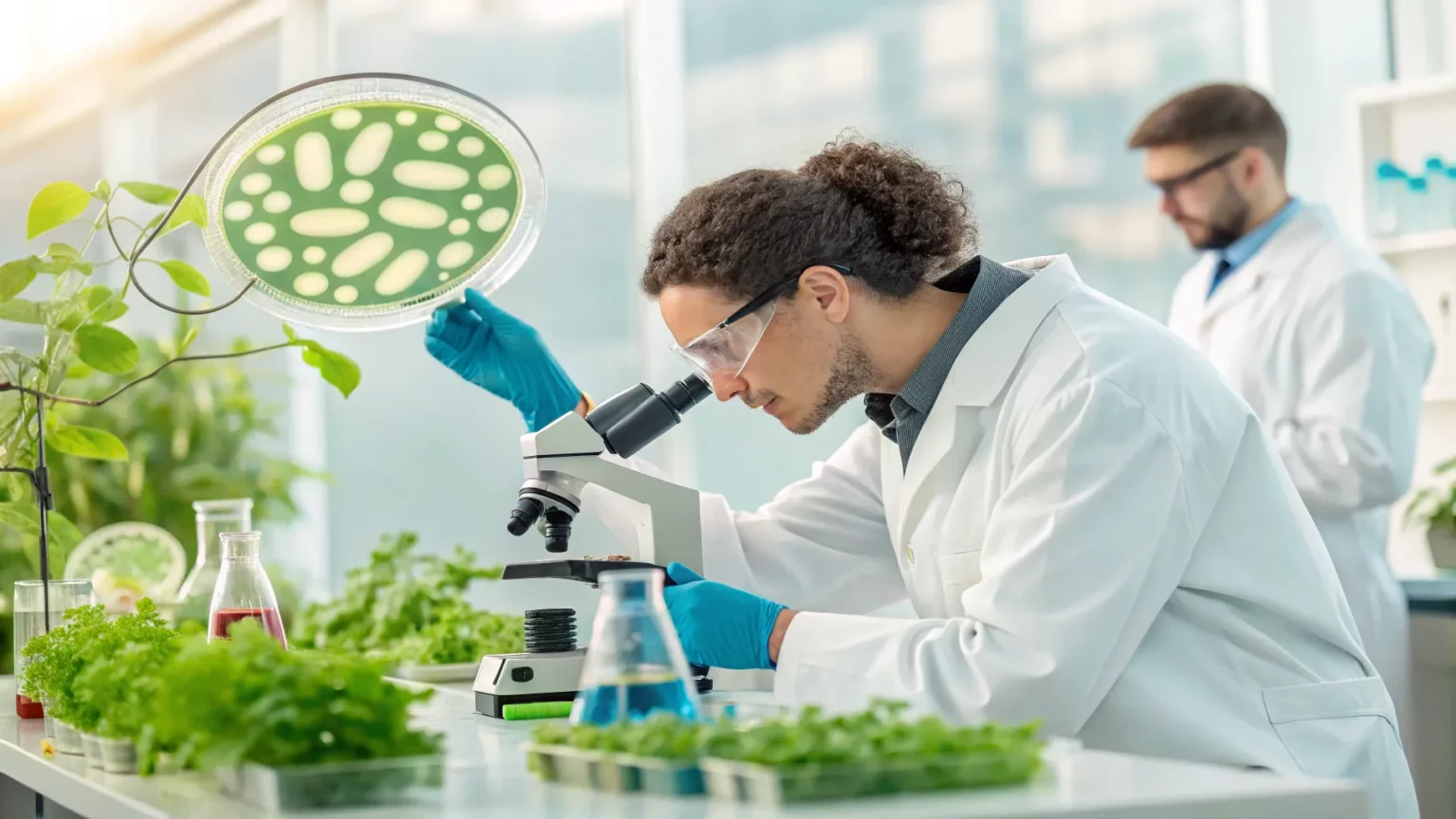
Scientists are looking to engineered Escherichia coli to make plastics with a smaller climate footprint, a move that could reshape how common materials are produced. The idea, discussed this week by researchers in microbial engineering, centers on turning sugars or other renewable feedstocks into ingredients for packaging, textiles, and consumer goods. It comes as governments and companies seek ways to cut emissions and waste across global supply chains.
“Engineered Escherichia coli bacteria could be used to make sustainable biobased plastics.”
The approach taps a familiar microbe used for decades in medicine and chemicals. This time, the target is polymers that now rely on oil and gas. The goal is to match performance while reducing carbon and helping curb plastic pollution.
Why Biobased Plastics Are Back in Focus
Pressure is growing to reduce plastic waste and greenhouse gases. Conventional plastics are made from fossil fuels and persist in the environment for decades. Many nations are advancing restrictions on single-use items and setting recycling targets. At the same time, manufacturers need materials that are strong, clear, safe, and affordable.
Biobased plastics offer a path, but first-generation products have faced hurdles. Costs are high, supply is limited, and recycling systems are uneven. Some plant-based plastics also compete with food crops. Researchers say smarter microbes could help with cost, performance, and land use.
How Engineered Microbes Could Make Polymers
E. coli can be reprogrammed to convert sugars, plant residues, or industrial off-gases into chemical building blocks. Those molecules can then be polymerized into plastics or used as drop-in substitutes in existing plants.
Common targets include polyhydroxyalkanoates (PHAs), which are biodegradable, and lactic acid, a building block for polylactic acid (PLA). Teams are also pushing microbes to make succinic acid, 1,4-butanediol, and other monomers used in nylons, polyesters, and elastomers.
In the lab, scientists adjust enzymes, metabolic pathways, and tolerance to solvents or acids. They aim to boost yields, cut byproducts, and shorten production times. The promise is a fermentation process that can scale in steel tanks, much like brewing.
Promises and Limits, According to Researchers
Supporters say microbe-made monomers could reduce lifecycle emissions, especially when powered by renewable energy. They also point to materials like PHAs that can biodegrade under the right conditions, which could limit pollution if waste escapes collection systems.


Caution remains. Biodegradation depends on temperature, microbes in the environment, and the specific polymer. Several experts warn that compostable labels can mislead if local facilities do not accept the material. Plastics made from plants are not automatically low-carbon if supply chains use diesel or if land-use changes release carbon.
One researcher explained that careful lifecycle analysis is key. Another stressed the need for better sorting and recycling so new materials do not complicate waste streams.
Economic and Policy Hurdles
Scaling from lab to factory is costly. Fermentation tanks, downstream purification, and quality control add expenses. Feedstocks must be reliable and affordable. Companies are exploring sugars from corn and sugarcane, as well as agricultural residues like corn stover. Some are testing captured carbon or industrial gases as inputs.
- High capital costs slow commercial plants.
- Feedstock sourcing raises land and logistics questions.
- Regulatory approvals can be lengthy for new materials.
- Users demand performance equal to conventional plastics.
Policy could speed adoption. Procurement standards, low-carbon product rules, and credits for biobased content can strengthen demand. Clear labeling and standards for compostability and recycling are also needed to prevent consumer confusion.
What This Could Mean for Industry and Consumers
If engineered E. coli reaches industrial scale, packaging is a likely early market. Textiles, films, and automotive parts may follow if properties meet specifications. Producers say microbial routes could provide more flexible supply chains, especially if they use regional feedstocks.
Consumers may not notice a difference in look or feel. The larger change would be in the source and end-of-life options. Still, experts say better design, reuse, and strong recycling systems are required no matter the polymer source.
The Road Ahead
Researchers plan to increase yields and cut costs. Partnerships between biotech firms, chemical makers, and consumer brands are forming to test materials in real products. Independent testing of biodegradation and recycling compatibility will shape trust and policy.
The quote that sparked current interest points to a clear direction: engineered microbes as factories for everyday materials. The next test is proof at scale, with transparent data on carbon, cost, and performance.
Microbe-made plastics will not solve plastic waste alone. But they can widen the toolkit for cutting emissions and reducing reliance on fossil feedstocks. Watch for pilot plants becoming commercial lines, clearer labeling standards, and large buyers writing biobased content into contracts. These steps will show whether engineered E. coli can move from promise to production.