




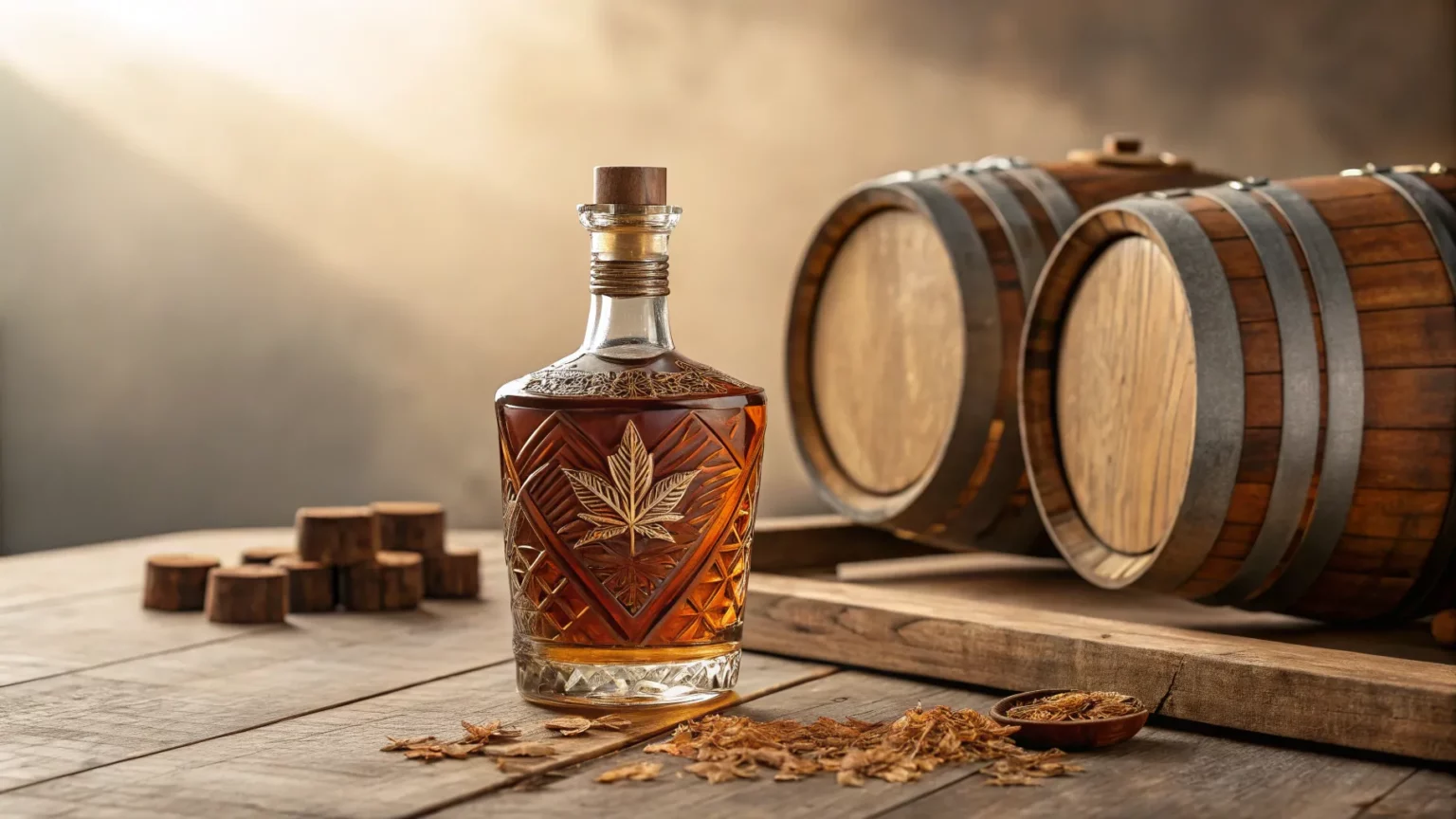
A top prize at the Canadian Whisky Awards went to a bottle praised for showing how well Canadian whisky can age when left alone. The win, announced this week, highlights a growing respect for mature expressions in a category best known for blends and approachability. Judges recognized the bottle for its patience and purity, signaling a shift in what excellence looks like for Canadian whisky.
The award arrives as producers and drinkers reassess aging, cask influence, and the value of time. The winner was cited as proof that restraint can deliver complexity, suggesting that minimal intervention may be gaining favor with judges and collectors alike.
Aging Moves to Center Stage
The Canadian whisky category has often been defined by smoothness and versatility. For decades, distillers leaned on blending skill, lighter profiles, and consistency. Aging was important, but it was seldom the headline. That balance now appears to be changing, with older releases and single-cask bottlings drawing fresh attention.
Premium drinkers have pushed producers to release whiskies that showcase grain character, longer maturation, and less finishing. Industry tastings, trade shows, and specialist retailers report steady interest in age-labeled Canadian whiskies and limited runs.
The winning bottle became a symbol of that trend. It stood out not because of exotic finishes or heavy-handed wood, but due to patience and clarity of flavor.
What Judges Heard in the Glass
“The Canadian Whisky Awards crowned a bottle that shows how well Canadian whisky can age when left alone.”
That statement captured two key themes: time and restraint. Judges appear to have favored a whisky that relied on mature spirit rather than elaborate cask treatment. The phrase “left alone” suggests minimal tinkering, often a sign of confidence in distillate quality and barrel management.
Whisky writers often note that Canadian producers access a wide range of grains and casks. Yet it is the marriage of careful barrel selection and patient aging that can unlock depth. The winning entry seems to have balanced oak maturity with a clean grain core.
Perspectives From Across the Industry
Producers who champion older releases see the result as validation. They argue that longer aging, when managed well, can deliver layered flavors without excessive wood. Retailers say customers increasingly ask for age information, single barrels, and cask-strength offerings.



Some distillers, however, caution that age is not a guarantee of quality. They point out that climate, warehouse location, and cask type shape maturation. Over-aging can mute character, and too little intervention may leave rough edges. The winning bottle’s success rests on getting those factors right, not time alone.
- Supporters: The prize highlights the value of patience and careful cask selection.
- Skeptics: Age should be one signal among many, not the sole marker of quality.
Why This Matters to Drinkers
For consumers, the award offers a clear takeaway: seek whiskies where time and technique align. Older Canadian releases can provide depth, spice, and fruit without heavy finishes. This appeals to buyers who want flavor clarity and a stronger sense of place.
Collectors may see the result as a cue to look for age-labeled bottles from established and emerging producers. Bars and restaurants that focus on whisky could expand their Canadian lists, offering flights that compare younger blends with mature, minimally finished expressions.
Signals for the Year Ahead
Expect more distilleries to release older stock and spotlight barrel provenance. Limited editions may highlight single-grain or single-cask whisky, emphasizing transparency in aging. Education will be key as producers explain why a certain warehouse, cask, or number of years matters.
Competitions frequently set taste direction for the year. When judges reward patience and restraint, producers take notice. That could result in a broader range of mature Canadian whiskies on shelves, with labels that document aging choices in greater detail.
The award sends a clear message: time, used wisely, can elevate Canadian whisky. The winning bottle’s quiet confidence—aging “left alone”—shows that patience and clarity can resonate with judges and drinkers. Expect more producers to test that idea, and more consumers to seek it out. The next releases will show whether this moment becomes a lasting shift in how Canadian whisky defines quality.